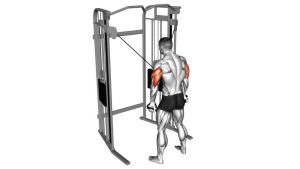
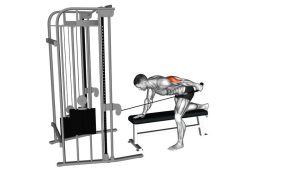
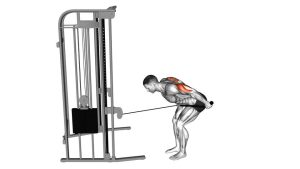
Cable Lying Triceps Extension (Low Pulley): Form, Sets, Tips & FAQ
Learn the Cable Lying Triceps Extension (Low Pulley) for constant triceps tension, better elbow control, and strong lockout mechanics. Includes proper form, sets by goal, mistakes, FAQs, and recommended equipment.
Cable Lying Triceps Extension (Low Pulley)
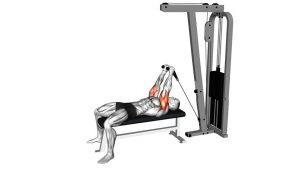
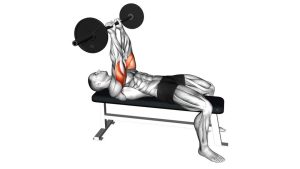
This variation is excellent for lifters who want a more controlled and joint-friendly alternative to free-weight skullcrushers. The low pulley creates a slightly backward line of pull, which can help maintain tension on the triceps instead of letting the resistance disappear at the top. Performed correctly, you should feel a strong triceps stretch at the bottom and a clean, powerful contraction as you extend back up.
Quick Overview
| Body Part | Triceps |
|---|---|
| Primary Muscle | Triceps brachii |
| Secondary Muscle | Anconeus, forearm stabilizers, front delts (light stabilization only) |
| Equipment | Low cable pulley, straight bar or similar cable attachment, flat bench or floor setup |
| Difficulty | Intermediate |
Sets & Reps (By Goal)
- Muscle growth: 3-4 sets × 8-15 reps with slow lowering and full control
- Strength-focused assistance work: 3-5 sets × 6-10 reps using crisp form and controlled lockout
- Technique practice / elbow-friendly pump work: 2-3 sets × 12-20 reps with lighter weight
- Finisher after pressing workout: 2-3 sets × 10-15 reps with short rest
Progression tip: Add reps first, then small increases in load. Keep the elbows steady and the stretch smooth before chasing heavier weight.
Setup / Starting Position
- Set the pulley low: Attach a straight bar or similar handle to the low cable pulley.
- Position the bench: Place a flat bench in line with the cable so you can lie down facing upward while gripping the attachment.
- Grip the handle securely: Use a comfortable overhand grip unless a different attachment feels better on your wrists.
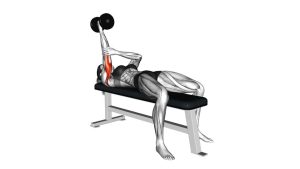
- Lie back under control: Bring the handle over your upper chest or face line with the elbows pointing upward.
- Set your upper arms: Keep them mostly fixed and angled so the movement comes from the elbows, not the shoulders.
A small backward arm angle usually works well because it keeps tension on the triceps and helps avoid drifting into a pullover pattern.
Execution (Step-by-Step)
- Start with control: Hold the attachment above you with the elbows nearly extended but not slammed into lockout.
- Lower by bending the elbows: Bring the bar toward your forehead or just behind it while keeping the upper arms quiet.
- Reach the stretch: Pause briefly when your elbows are deeply bent and your triceps feel loaded.
- Extend smoothly: Straighten the elbows to drive the bar back to the start path without throwing the shoulders forward.
- Finish under tension: Squeeze the triceps at the top while keeping cable tension and avoiding a loose, relaxed lockout.
Pro Tips & Common Mistakes
- Keep the elbows mostly fixed: Too much shoulder movement turns the lift into a hybrid pullover.
- Use the stretch, not momentum: Lower slowly and let the triceps lengthen under control.
- Do not crash the bar toward your face: Precision matters more than load in this variation.
- Choose a wrist-friendly attachment: A straight bar works well, but some lifters prefer an EZ-style or rope option.
- Avoid flaring excessively: Let the elbows move naturally, but do not let them fly wide and lose tension.
- Keep tension at the top: Do not relax completely between reps.
- Watch bench position: If the bench is too far from the pulley, the resistance path may feel awkward.
FAQ
What makes the low-pulley version different from dumbbell or barbell skullcrushers?
The cable changes the resistance curve. Instead of losing tension in some parts of the range, the low pulley keeps more constant pull on the triceps, especially during the stretch and transition phases.
Where should I feel this exercise most?
You should mainly feel the triceps, especially around the long head and the back of the upper arm. You may also notice mild stabilization from the forearms and shoulders, but the triceps should do the real work.
Is this exercise good for muscle growth?
Yes. It is a strong hypertrophy option because it combines a deep loaded stretch with cable tension and a very controlled elbow-extension pattern.
Should I touch the bar to my forehead?
Not necessarily. Lower until you get a strong, comfortable stretch while maintaining control. Depending on your setup and mobility, that may be at the forehead or slightly behind it.
Can beginners do this exercise?
Yes, but many beginners do better after learning basic cable pressdowns or simple overhead extensions first. This version requires more setup awareness and elbow control.
Recommended Equipment
- Straight Bar Cable Attachment — classic handle choice for lying cable triceps extensions
- Triceps Rope Attachment — useful if you want a freer wrist path and a different contraction feel
- Adjustable Weight Bench — gives you a stable lying setup and more training options
- Cable Machine / Functional Trainer — the main station needed to perform this exercise consistently at home
- V-Bar Cable Attachment — a solid alternative if you prefer a neutral-style grip feel
Choose attachments that let you keep your wrists neutral and elbows comfortable. The best setup is the one that lets you keep tension on the triceps without forcing awkward joint angles.