Cable Standing Single Delt Row: Form, Muscles Worked, Sets & FAQ
Learn how to do the Cable Standing Single Delt Row with proper form to target the rear delts and upper back. Includes setup, execution, sets by goal, common mistakes, FAQs, and recommended equipment.
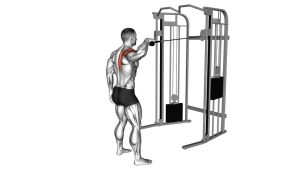
Cable Standing Single Delt Row
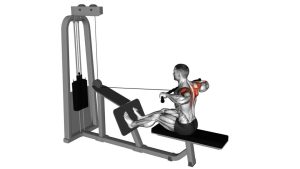
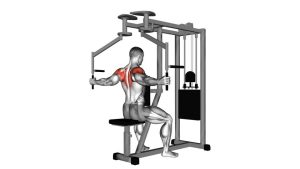
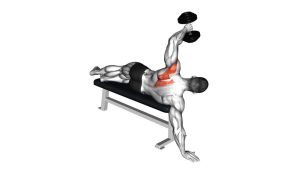
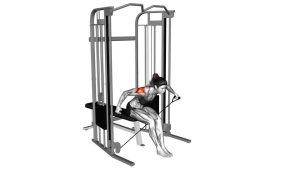
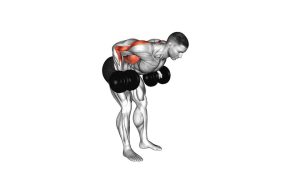
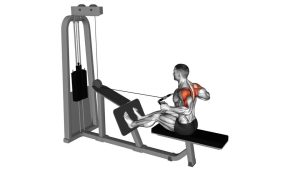
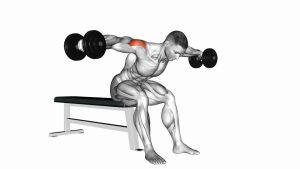
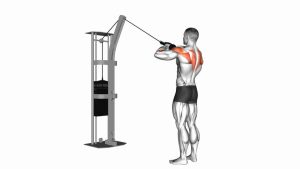
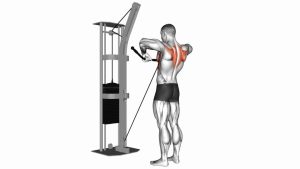
This movement works best when the load is moderate and the technique is strict. The goal is to create tension in the rear delt, not to turn the exercise into a heavy full-back row. Keep your chest tall, torso stable, and shoulder motion clean. A slow return is especially valuable because the cable keeps tension on the working shoulder through the entire range of motion.
Quick Overview
| Body Part | Shoulders |
|---|---|
| Primary Muscle | Rear deltoid (posterior deltoid) |
| Secondary Muscle | Rhomboids, middle trapezius, rotator cuff stabilizers, biceps assisting lightly |
| Equipment | Cable machine with single handle attachment |
| Difficulty | Beginner to Intermediate |
Sets & Reps (By Goal)
- Muscle growth: 3-4 sets × 10-15 reps per arm with 45-75 seconds rest
- Shoulder definition / control: 2-4 sets × 12-20 reps per arm with controlled tempo
- Warm-up / activation: 2-3 sets × 12-15 light reps per arm before pressing or upper-body sessions
- Strength-support accessory: 3 sets × 8-12 reps per arm using good form without body swing
Progression rule: Increase reps first, then raise the load slightly. If the upper traps take over or the elbow path changes, the weight is too heavy.
Setup / Starting Position
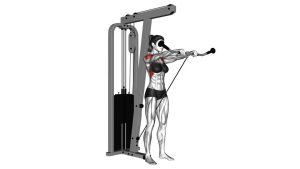
- Adjust the cable: Set the pulley around chest height or slightly below, and attach a single handle.
- Take your stance: Stand tall with feet about hip- to shoulder-width apart for balance.
- Grip the handle: Hold the handle with one hand and step back until there is light tension on the cable.
- Set the shoulder: Let the working arm extend forward naturally while keeping the shoulder packed and the chest up.
- Brace lightly: Keep your core engaged and avoid leaning or rotating excessively before the rep starts.
Tip: A staggered stance can help you stay stable if the cable stack pulls you forward.
Execution (Step-by-Step)
- Start from full tension: Begin with the arm extended in front and the rear shoulder slightly stretched.
- Lead with the elbow: Pull the elbow outward and slightly backward instead of keeping it tucked close to the body.
- Bring the handle toward your side: The hand follows the elbow, but the shoulder should remain the main driver.
- Pause briefly: Squeeze the rear delt at the end of the rep without over-shrugging or over-retracting the shoulder blade.
- Return slowly: Let the arm travel back forward under control, keeping tension on the cable and resisting the weight.
- Repeat evenly: Perform all reps on one side, then switch arms and match the same quality of motion.
Pro Tips & Common Mistakes
- Lead with the elbow: Think about driving the elbow out and back to keep tension on the rear delt.
- Use a moderate load: Too much weight usually causes torso twisting and trap dominance.
- Do not shrug: Keep the neck long and shoulders relaxed so the upper traps do not take over.
- Control the eccentric: The lowering phase is where a lot of the rear delt stimulus happens.
- Keep the torso stable: Avoid turning the movement into a full-body pull.
- Do not over-squeeze the shoulder blades: A little retraction is natural, but too much shifts the focus into the upper back.
- Train both sides evenly: Single-arm cable work is useful for correcting side-to-side imbalances.
FAQ
What muscle does the Cable Standing Single Delt Row target most?
The main target is the rear deltoid. The rhomboids and middle traps assist, but the exercise is most effective when the elbow travels outward enough to keep the posterior shoulder involved.
Is this the same as a normal cable row?
No. A normal row usually keeps the elbow closer to the torso and emphasizes the back more broadly. This variation changes the elbow path to put more stress on the rear shoulder.
Should I use heavy weight on this exercise?
Usually no. Rear delt exercises tend to work best with strict form and controlled reps. If the load is too heavy, the traps and torso will compensate.
Can beginners do the Cable Standing Single Delt Row?
Yes. It is beginner-friendly if the weight is kept light to moderate and the lifter focuses on clean mechanics, especially elbow path and shoulder control.
Where should I feel this exercise?
You should mainly feel it in the back of the shoulder. Some upper-back involvement is normal, but the rear delt should be the primary working area.
Recommended Equipment
- Single D-Handle Cable Attachment — ideal for comfortable one-arm cable pulling variations like this exercise
- Cable Machine / Functional Trainer — the primary setup needed to perform standing single-arm rear delt rows
- Weightlifting Gloves or Grip Pads — helpful if grip fatigue limits your shoulder focus during cable work
- Adjustable Workout Bench — useful for pairing this exercise with chest-supported rear delt work in the same session
- Resistance Bands Set — a good alternative for rear delt activation when a cable machine is not available
Tip: A smooth handle and a consistent cable path make it easier to focus on shoulder mechanics instead of fighting the equipment.