Sit-Up Exercise: Proper Form, Sets, Benefits, Tips & FAQ
Learn how to perform the Sit-Up with proper core control, safe setup, step-by-step execution, sets by goal, common mistakes, FAQs, and recommended equipment.
Sit-Up
The Sit-Up is useful for building abdominal endurance, improving trunk control, and developing the ability to move from a lying position into a seated position with strength and coordination. Compared with a basic crunch, the sit-up uses a larger range of motion because the torso comes higher off the floor. This makes it more demanding and also increases the need for good control through the spine, pelvis, and hips.
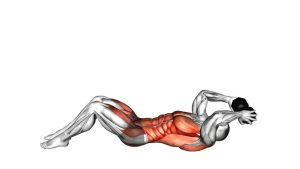
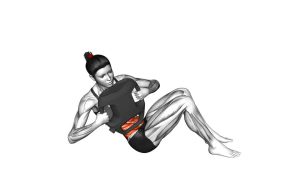
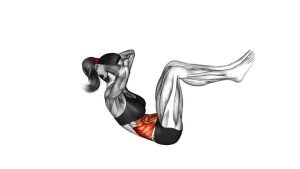
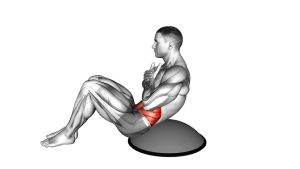
In the video, the movement starts from a lying position with the knees bent and feet grounded. The torso curls upward in a controlled sequence, reaches the top position, then lowers back down without dropping. The best reps show a smooth rhythm: brace, curl, rise, pause, and return with control.
Quick Overview
| Body Part | Abs |
|---|---|
| Primary Muscle | Rectus abdominis |
| Secondary Muscle | Hip flexors, obliques, transverse abdominis, lower-back stabilizers |
| Equipment | Bodyweight only; optional exercise mat, ab mat, or foot anchor |
| Difficulty | Beginner to intermediate, depending on tempo and range of motion |
Sets & Reps (By Goal)
- Beginner core control: 2–3 sets × 6–10 reps, slow tempo, 45–60 sec rest
- Core endurance: 3–4 sets × 12–20 reps, controlled rhythm, 45–75 sec rest
- Strength focus: 3–5 sets × 8–12 reps, 2–3 sec lowering phase, 60–90 sec rest
- Warm-up activation: 1–2 sets × 8–12 reps, easy effort, no fatigue
- Conditioning circuit: 20–40 seconds of clean reps, paired with other bodyweight movements
Progression rule: First improve control and tempo. Then add reps, longer eccentric lowering, a pause at the top, or light external resistance only when your form stays clean.
Setup / Starting Position
- Lie on your back: Position yourself on a flat surface or exercise mat with your knees bent.
- Plant your feet: Keep both feet flat on the floor, roughly hip-width apart.
- Set your pelvis: Keep your lower back comfortable. Do not force an extreme arch or hard flattening.
- Choose arm position: Cross your arms over your chest, reach forward, or place hands lightly near the head without pulling the neck.
- Brace gently: Tighten your abs as if preparing for a controlled curl upward.
- Relax the neck: Keep the chin slightly tucked and avoid pushing the head forward aggressively.
Execution (Step-by-Step)
- Start with a small curl: Lift your head and shoulders first while keeping your neck relaxed. Avoid throwing your head forward.
- Continue rolling upward: Let the upper back and mid-back leave the floor in a smooth sequence. Your abs should create the movement, not a sudden swing.
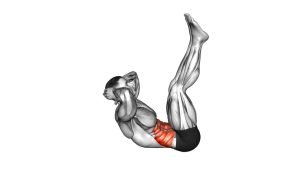
- Rise toward the seated position: Bring your torso up until you reach the top of the sit-up. Keep your feet grounded and avoid bouncing.
- Pause briefly at the top: Maintain tension through the abs and avoid collapsing into the hips.
- Lower with control: Reverse the motion slowly. Let the lower back, mid-back, shoulders, and head return to the floor in order.
- Reset before the next rep: Breathe, brace again, and repeat with the same controlled tempo.
Pro Tips & Common Mistakes
Pro Tips
- Use a controlled tempo: Rise smoothly and lower even slower to increase abdominal tension.
- Exhale as you come up: Breathing out helps your ribs come down and improves abdominal contraction.
- Keep the chin slightly tucked: This reduces neck strain and keeps the head aligned with the torso.
- Anchor only if needed: Light foot support can help beginners, but avoid relying too heavily on hip flexors.
- Control the descent: The lowering phase is where many people lose tension. Do not drop back to the floor.
Common Mistakes
- Pulling on the neck: Hands should not yank the head forward.
- Swinging the arms: Momentum makes the movement easier but reduces core engagement.
- Feet lifting off the floor: This usually means the movement is too fast or poorly braced.
- Rushing reps: Fast reps often become hip-flexor dominant and less effective for the abs.
- Lower-back discomfort: If your back hurts, reduce range, slow down, or switch to crunches or dead bugs.
FAQ
What muscles do sit-ups work?
Sit-ups mainly work the rectus abdominis, the front abdominal muscle responsible for trunk flexion. They also involve the hip flexors, obliques, transverse abdominis, and stabilizing muscles around the pelvis and lower back.
Are sit-ups good for beginners?
Yes, but beginners should start with a small number of controlled reps. If a full sit-up feels too difficult, use crunches, assisted sit-ups, or slow partial sit-ups until your core strength improves.
Should I anchor my feet during sit-ups?
Anchoring the feet can make the movement easier and more stable, but it may increase hip flexor involvement. Use light anchoring only when needed and focus on curling through the abs instead of pulling with the hips.
Why does my lower back hurt during sit-ups?
Lower-back discomfort may happen if you move too fast, lack core control, overuse the hip flexors, or force too much range. Try reducing the range, slowing the lowering phase, or switching to crunches, dead bugs, or plank variations.
Are sit-ups better than crunches?
Neither is automatically better. Sit-ups use a larger range of motion and involve more hip flexor activity. Crunches isolate the abs more and may be easier for people who feel discomfort during full sit-ups.
How often should I do sit-ups?
Most people can train sit-ups 2–4 times per week depending on total core volume and recovery. For daily practice, keep the volume low and avoid training to failure every session.
Recommended Equipment
- Exercise Mat — provides cushioning for your spine, hips, and tailbone during floor-based core work
- Ab Mat — supports a better spinal curve and can improve comfort through the sit-up range
- Sit-Up Foot Anchor — useful for beginners who need extra foot stability while learning the movement
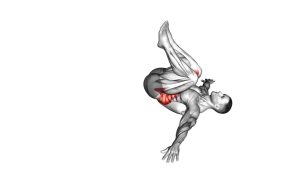
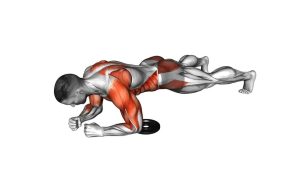
- Core Sliders — helpful for adding complementary ab movements such as knee tucks and body saw variations
- Resistance Bands Set — useful for assisted sit-ups, resisted core drills, and full-body home workouts
Choose equipment that improves comfort and control. The sit-up does not require expensive gear, but a good mat and stable setup can make the exercise safer and easier to perform consistently.