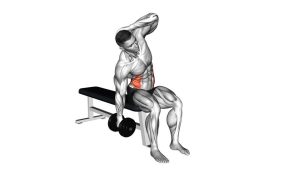
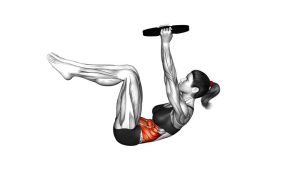
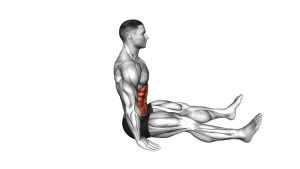
Cross-Body Twisting Crunch: Form, Benefits, Sets, Tips & FAQ
Learn how to do the Cross-Body Twisting Crunch with proper form to target the obliques, abs, and waist. Includes setup, step-by-step execution, mistakes, FAQs, and equipment.
Cross-Body Twisting Crunch
This movement is useful for building better abdominal control, improving rotational core strength, and adding variety to bodyweight ab workouts. It is especially effective when performed slowly because the obliques must work to lift, twist, and stabilize the torso at the same time. Keep the lower body quiet, keep the feet grounded, and focus on bringing the shoulder toward the opposite knee rather than pulling the neck with the hands.
Quick Overview
| Body Part | Obliques |
|---|---|
| Primary Muscle | Obliques |
| Secondary Muscle | Rectus abdominis, transverse abdominis, deep core stabilizers |
| Equipment | Bodyweight only; exercise mat optional |
| Difficulty | Beginner to Intermediate |
Sets & Reps (By Goal)
- Core activation: 2 sets × 10–12 reps per side with slow, clean control.
- Muscle endurance: 3–4 sets × 12–20 reps per side with steady breathing.
- Waist and oblique focus: 3 sets × 12–15 reps per side with a 1-second squeeze at the top.
- Beginner practice: 2 sets × 8–10 reps per side using a smaller range of motion.
- Finisher: 2–3 rounds of 30–45 seconds alternating sides.
Progression rule: First improve control, range, and squeeze quality. After that, increase reps, slow the lowering phase, or add a short pause at the top.
Setup / Starting Position
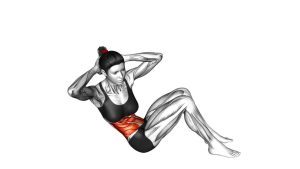
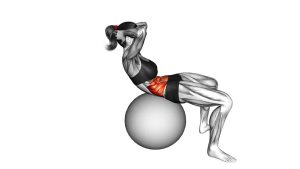
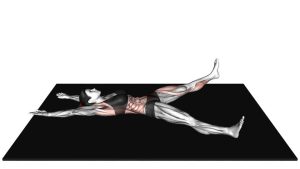
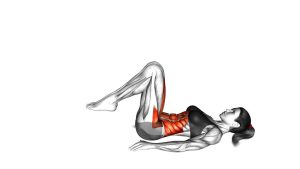
- Lie on your back on an exercise mat with your knees bent and feet flat on the floor.
- Position your feet about hip-width apart. Keep them planted throughout the movement.
- Place your fingertips lightly behind your head or near your temples. Do not interlock and pull hard on the neck.
- Open the elbows naturally, but avoid forcing them wide. The shoulders should stay relaxed.
- Brace your core gently by drawing the ribs down and keeping the lower back controlled against the floor.
- Keep your chin slightly tucked, as if holding a small space between your chin and chest.
Execution (Step-by-Step)
- Begin from the floor: Keep your knees bent, feet grounded, and hands lightly supporting your head.
- Lift your upper back: Curl your head, shoulders, and upper back slightly off the floor using your abs.
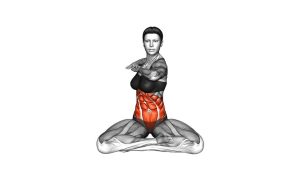
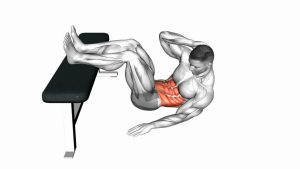
- Rotate across the body: Turn one shoulder toward the opposite knee. For example, bring your right shoulder toward your left knee.
- Squeeze the obliques: Pause briefly at the top and feel the side of your waist contract.
- Lower with control: Slowly return your upper body back toward the floor without dropping suddenly.
- Repeat on the other side: Lift and rotate the opposite shoulder toward the opposite knee.
- Continue alternating: Move side to side with a controlled rhythm while keeping the feet and hips stable.
Pro Tips & Common Mistakes
Pro Tips
- Move slowly: A slower twisting crunch creates better oblique tension than fast, sloppy reps.
- Exhale during the crunch: Breathe out as you lift and rotate to help the abs contract harder.
- Keep the hips quiet: The twist should come mainly from the upper torso, not from rocking the pelvis.
- Use a small pause: Hold the top position briefly to increase control and reduce momentum.
- Alternate evenly: Perform the same number of reps on both sides to avoid imbalance.
Common Mistakes
- Pulling on the neck: Your hands should support the head lightly, not drag it upward.
- Only moving the elbow: The elbow crossing the body is not enough. Rotate the rib cage.
- Using momentum: Swinging side to side reduces abdominal tension and can irritate the neck or back.
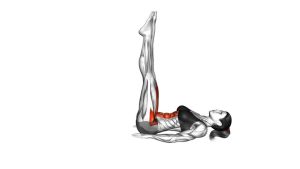
- Letting the feet lift: Keep the feet grounded so the abs and obliques do the work.
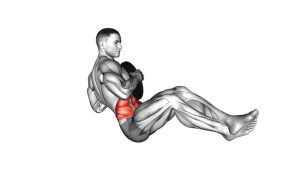
- Crunching too high: This is a controlled upper-back lift, not a full sit-up.
FAQ
What muscles does the Cross-Body Twisting Crunch work?
The main muscles are the obliques, which rotate and stabilize the trunk. The rectus abdominis also helps lift the upper body, while the deeper core muscles assist with control and bracing.
Is the Cross-Body Twisting Crunch good for the waist?
Yes, it is a strong waist-focused core exercise because it trains the side abdominal muscles. However, visible waist definition also depends on nutrition, total training volume, and overall body fat levels.
Should my elbow touch my opposite knee?
It does not have to. For many people, forcing elbow-to-knee contact causes neck pulling or poor rotation. Focus on bringing the shoulder and ribs toward the opposite knee instead.
Why do I feel this in my neck?
Neck tension usually happens when you pull on the head or lift too aggressively. Keep your hands light, tuck the chin slightly, and let your abs initiate the movement.
Can beginners do this exercise?
Yes. Beginners should use a smaller range of motion, move slowly, and avoid rushing. Start with fewer reps per side and focus on clean rotation.
Can I do Cross-Body Twisting Crunches every day?
You can include them frequently if the volume is moderate and your body recovers well. For most people, 2–4 times per week is enough for focused core training.
Recommended Equipment
- Exercise Mat — provides comfort and support for floor-based crunches.
- Thick Yoga Mat — helpful if your lower back or tailbone needs extra cushioning.
- Ab Exercise Mat — supports the spine during crunch-based abdominal exercises.
- Core Sliders — useful for progressing into more advanced rotational core drills.
- Resistance Bands Set — great for pairing with anti-rotation and full-core stability exercises.
Equipment is optional for this exercise. A comfortable mat is the most useful item because it helps you focus on abdominal control instead of floor discomfort.