Bottoms-Up Exercise: Proper Form, Core Benefits, Sets, Tips & FAQ
Learn how to do the Bottoms-Up exercise with proper form. Build lower-ab control, improve pelvic lift strength, avoid common mistakes, and follow sets, reps, FAQs, and equipment tips.
Bottoms-Up
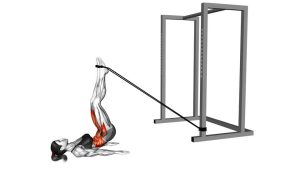
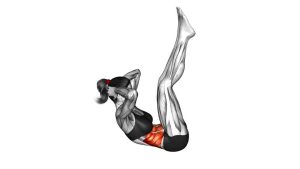
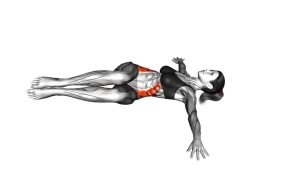
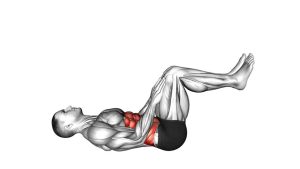
The Bottoms-Up looks simple, but it requires strong control. The athlete lies on the back with the legs raised toward the ceiling, braces the core, then lifts the hips upward by curling the pelvis off the floor. The movement is small, but the abdominal demand is high because the lower back must stay controlled during both the lift and the descent.
This exercise is best performed with a slow tempo. The legs should not kick backward, the hips should not bounce, and the lower back should not arch aggressively as the body returns to the floor. A clean rep feels like a smooth pelvic curl, not a leg swing.
Quick Overview
| Body Part | Abs |
|---|---|
| Primary Muscle | Rectus abdominis, especially the lower-ab emphasis through posterior pelvic tilt |
| Secondary Muscle | Obliques, transverse abdominis, hip flexors, and deep core stabilizers |
| Equipment | Bodyweight only; exercise mat recommended |
| Difficulty | Intermediate |
Sets & Reps (By Goal)
- Core control: 2–3 sets of 8–12 slow reps with a controlled 2–3 second lowering phase.
- Lower-ab strength: 3–4 sets of 10–15 reps, focusing on a strong hip lift and clean pelvic curl.
- Beginner progression: 2–3 sets of 6–10 reps with bent knees to reduce leverage.
- Core endurance: 3 sets of 15–20 reps only if form stays strict and the lower back does not arch.
- Workout finisher: 2 rounds of 12–15 reps after main abdominal training.
Progression rule: First improve control, then increase reps. Do not progress by swinging harder. A smaller, cleaner hip lift is better than a bigger rep done with momentum.
Setup / Starting Position
- Lie on your back: Position yourself flat on the floor or on an exercise mat.
- Place your arms down: Keep your arms beside your body with palms lightly pressing into the floor for balance.
- Raise your legs: Lift both legs toward the ceiling until they are almost vertical.
- Brace your core: Gently press the lower back toward the floor and tighten the abs before moving.
- Keep the head relaxed: Avoid lifting the head or straining the neck. Eyes can stay looking upward.
- Control the hips: Prepare to lift the pelvis upward, not to swing the feet backward.
Execution (Step-by-Step)
- Brace before the lift: Tighten your abs and keep your ribs down so your lower back does not arch.
- Curl the pelvis upward: Use your lower abs to lift your hips slightly off the floor.
- Keep the legs mostly vertical: Avoid throwing your legs behind your head. The goal is a controlled hip lift.
- Squeeze at the top: Pause briefly when the hips reach the highest point.
- Lower slowly: Return your hips to the floor one small segment at a time.
- Maintain tension: Do not fully relax at the bottom. Keep the legs up and prepare for the next repetition.
- Repeat with control: Each rep should look nearly identical, with no bouncing or swinging.
Pro Tips & Common Mistakes
Pro Tips
- Use a slow tempo: A controlled lift and slow descent create more abdominal tension.
- Keep the movement compact: The hips only need to rise slightly. Bigger is not always better.
- Press the arms lightly into the floor: Use the arms for stability, not to shove the hips upward.
- Exhale during the lift: Breathing out as the hips rise can help the abs contract more effectively.
- Control the negative: The lowering phase is where many people lose form. Lower slowly.
- Bend the knees if needed: A bent-knee version is easier and helps beginners learn pelvic control.
Common Mistakes
- Swinging the legs: Momentum reduces abdominal work and can stress the lower back.
- Arching the lower back: Keep the core braced, especially as the hips return to the floor.
- Kicking too far backward: The feet should not fly toward the head. Keep the motion vertical and controlled.
- Pushing too much with the arms: The arms can stabilize, but the abs should create the lift.
- Dropping the hips: Lower with control instead of letting gravity pull the pelvis down.
- Holding the breath: Use steady breathing to maintain tension without unnecessary bracing pressure.
FAQ
What muscles does the Bottoms-Up exercise work?
The Bottoms-Up primarily works the rectus abdominis with strong emphasis on lower-ab control through posterior pelvic tilt. It also trains the obliques, transverse abdominis, hip flexors, and deep core stabilizers.
Is the Bottoms-Up good for lower abs?
Yes. While the rectus abdominis works as one muscle, this exercise strongly challenges the lower portion because the pelvis curls upward against gravity. The key is to lift the hips using the abs instead of swinging the legs.
Why do I feel this exercise in my hip flexors?
Some hip flexor involvement is normal because the legs are raised. However, if you feel mostly hip flexors, reduce the range, bend your knees slightly, and focus on curling the pelvis rather than lifting or swinging the legs.
Can beginners do the Bottoms-Up?
Beginners can perform a modified version with bent knees and smaller hip lifts. If the lower back arches or the legs swing, start with reverse crunches or lying knee raises before progressing.
How many reps should I do?
Most people do well with 2–4 sets of 8–15 controlled reps. Quality matters more than high reps. Stop the set when you can no longer lift the hips without momentum.
Should my hips lift high off the floor?
No. The lift should be small and controlled. The goal is not to roll onto your upper back aggressively. The goal is to create a clean abdominal contraction that curls the pelvis upward.
Is this exercise bad for the lower back?
It should not bother the lower back when performed correctly. If your lower back arches, pinches, or feels strained, reduce the range of motion, bend your knees, or choose an easier core exercise.
Recommended Equipment
- Exercise Mat — provides cushioning for the spine, hips, and upper back during floor-based core work.
- Thick Yoga Mat — useful if you need extra comfort while performing repeated hip lifts.
- Core Sliders — helpful for adding variety to bodyweight ab training and core stability routines.
- Resistance Bands Set — useful for pairing this exercise with anti-rotation drills, dead bugs, and warm-up activation work.
- Adjustable Ankle Weights — an advanced option only after you can perform strict bodyweight reps without swinging.
Tip: Master the bodyweight version first. Adding load too early often turns the Bottoms-Up into a swinging leg exercise instead of a controlled abdominal movement.