Cable Kneeling Crunch: Proper Form, Sets, Tips & FAQ
Learn how to perform the Cable Kneeling Crunch with proper form to target your abs, improve core control, and build stronger spinal flexion. Includes setup, steps, mistakes, FAQs, and equipment.
Cable Kneeling Crunch
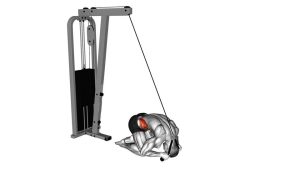
The Cable Kneeling Crunch is one of the most effective gym exercises for building stronger, thicker, and more controlled abdominal muscles. Because the resistance comes from a high pulley, your abs must work against the cable as you flex the spine downward. This makes the exercise very useful for lifters who already have good bodyweight crunch control and want to add progressive resistance.
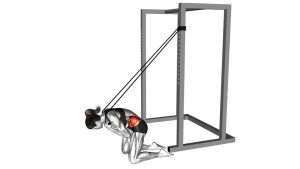
In the video, the movement is performed from a kneeling position with the rope held near the head. The torso curls downward in a smooth, controlled pattern while the hips stay mostly fixed. The arms stay passive and the rope follows the body instead of being pulled down by the shoulders or triceps. This detail is important because the exercise should feel like an abdominal crunch, not a cable rope pull.
Quick Overview
| Body Part | Core |
|---|---|
| Primary Muscle | Rectus abdominis |
| Secondary Muscle | Obliques, deep core stabilizers, hip flexors lightly, spinal stabilizers |
| Equipment | Cable machine, high pulley, rope attachment, exercise mat |
| Difficulty | Beginner to Intermediate |
Sets & Reps (By Goal)
- Muscle growth: 3–4 sets × 10–15 reps with a controlled squeeze at the bottom.
- Core strength: 4–5 sets × 6–10 reps using heavier resistance while keeping strict form.
- Core endurance: 2–4 sets × 15–25 reps with lighter weight and smooth tempo.
- Beginner technique practice: 2–3 sets × 10–12 reps with light resistance.
- Finisher after workout: 2–3 sets × 12–20 reps with short rest and clean contraction.
Progression rule: Increase resistance only when you can complete every rep without pulling with your arms, swinging your hips, or losing the abdominal curl. Clean reps matter more than heavy weight.
Setup / Starting Position
- Attach a rope to a high cable pulley: Set the pulley high enough so the cable pulls upward from above your head while you kneel.
- Kneel facing the machine: Place both knees on the floor or on a mat. Keep your knees about hip-width apart for balance.
- Hold the rope near your head: Grip each end of the rope and bring your hands beside your forehead, temples, or slightly behind the head. Do not let the arms become the main movers.
- Create cable tension: Move far enough from the stack that the cable is tight at the top. Avoid starting with slack.
- Set your torso position: Keep your hips stable, ribs stacked, and spine tall before the first rep.
- Brace gently: Take a controlled breath, tighten your abs, and prepare to curl your torso down.
Execution (Step-by-Step)
- Start tall with tension: Begin in a kneeling position with the cable tight and your torso slightly upright.
- Brace your abs: Tighten your core before moving. Keep the rope close to your head and avoid letting your shoulders take over.
- Curl your ribs downward: Flex your spine by bringing your ribcage toward your pelvis. Imagine folding your torso one segment at a time.
- Keep your hips still: Do not sit back toward your heels. The movement should come mainly from the spine and abs, not from a hip hinge.
- Reach peak contraction: At the bottom, squeeze your abs hard for 1–2 seconds. Your upper back should be rounded, but your neck should stay controlled.
- Return slowly: Let your torso rise with control. Do not allow the cable to pull you up quickly.
- Reset without relaxing: Return to the top position while keeping light abdominal tension, then repeat.
Pro Tips & Common Mistakes
Pro Tips
- Use a slow eccentric: Take 2–3 seconds to return to the top. This keeps tension on the abs and prevents momentum.
- Pause at the bottom: A short squeeze makes the exercise more effective and helps you feel the rectus abdominis working.
- Keep the rope fixed near your head: Your hands should stay close to the same position throughout the rep.
- Use moderate weight first: Heavy loads often cause arm pulling, hip rocking, or poor range of motion.
- Exhale as you crunch: Breathing out during the downward curl helps the ribs move toward the pelvis and improves abdominal contraction.
Common Mistakes
- Pulling with the arms: This turns the movement into a rope pulldown instead of an ab crunch.
- Sitting back into the hips: Moving the hips too much reduces abdominal tension and shifts the exercise toward the hip flexors.
- Using too much weight: If you cannot control the top and bottom position, reduce the load.
- Rushing the return: Letting the cable pull you upward removes tension from the abs and can stress the lower back.
- Over-tucking the neck: Keep your head controlled. Do not force your chin into your chest.
- Only bending at the hips: The main action should be spinal flexion, not simply leaning forward.
FAQ
What muscles does the Cable Kneeling Crunch work?
The main muscle worked is the rectus abdominis, the front abdominal muscle responsible for spinal flexion. The obliques and deeper core muscles also assist with stability, especially when you keep your hips still and control the cable.
Should I use heavy weight on cable kneeling crunches?
You can use heavier weight once your technique is solid, but you should not sacrifice form. If your arms, shoulders, or hips dominate the movement, the load is too heavy. Start with a moderate weight and progress slowly.
Where should I feel this exercise?
You should feel strong tension through the front of your abs, especially as you curl down and squeeze at the bottom. You should not feel the movement mainly in your lower back, neck, arms, or hip flexors.
Is the Cable Kneeling Crunch good for building visible abs?
Yes, it can help build stronger and more developed abdominal muscles because it allows progressive resistance. However, visible abs also depend on nutrition, overall body fat level, and consistent total-body training.
Is this better than regular crunches?
It is not automatically better, but it is easier to progressively overload. Regular crunches are useful for learning basic control, while cable kneeling crunches are excellent when you want more resistance and stronger abdominal contraction.
How do I stop my hip flexors from taking over?
Keep your hips stable, avoid sitting back, and focus on curling the ribs toward the pelvis. Use a lighter weight and a smaller controlled range until you can feel the abs doing most of the work.
Recommended Equipment
- Cable Rope Attachment — the best attachment for comfortable kneeling cable crunches and strong ab contraction.
- Thick Exercise Mat — protects your knees during kneeling cable exercises.
- Cable Machine / Home Gym Pulley System — useful for performing cable crunches, rows, pulldowns, and other resistance exercises.
- Ab Crunch Rope Attachment — a longer rope option that gives more comfort around the head and shoulders.
- Weightlifting Knee Pads — helpful if you perform kneeling cable work often and want extra knee support.
Choose equipment that helps you stay comfortable and controlled. The better your setup feels, the easier it is to focus on clean abdominal contraction instead of knee discomfort or rope positioning.