Dumbbell Clean: Proper Form, Muscles Worked, Sets, Tips & FAQ
Learn how to do the Dumbbell Clean with safe form, explosive hip drive, clean front-rack catch, sets by goal, mistakes, FAQs, and gear tips.
Dumbbell Clean
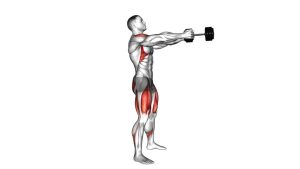
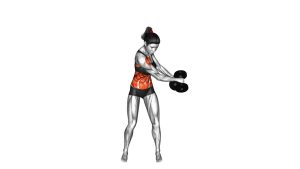
This exercise is excellent for building hip power, coordination, core stability, and full-body athletic control. It is commonly used in strength training, functional workouts, conditioning circuits, and dumbbell-only training programs. The best reps look smooth, close, and controlled: the dumbbell travels upward from the hips, rotates around the hand, and lands softly near the shoulder without crashing into the wrist or collarbone.
Quick Overview
| Body Part | Legs |
|---|---|
| Primary Muscle | Glutes, hamstrings, quadriceps |
| Secondary Muscle | Traps, shoulders, forearms, core, upper back |
| Equipment | Dumbbell |
| Difficulty | Intermediate |
Sets & Reps (By Goal)
- Power development: 3–5 sets × 3–6 reps per side, using fast but controlled reps.
- Strength and skill practice: 3–4 sets × 5–8 reps per side with moderate weight.
- Conditioning: 3–5 rounds × 8–12 reps per side with lighter weight and steady breathing.
- Beginner technique work: 2–3 sets × 4–6 slow reps per side, focusing on clean timing.
Progression rule: Improve the movement before increasing weight. Add load only when the dumbbell stays close, the hips drive the movement, and the catch feels smooth on every rep.
Setup / Starting Position
- Stand with balance: Place your feet about hip-width to shoulder-width apart with weight centered over the mid-foot.
- Hold the dumbbell: Grip one dumbbell with one hand and let it hang between your thighs or slightly in front of your body.
- Set your hinge: Push your hips back, bend your knees slightly, and keep your chest lifted without over-arching your lower back.
- Brace your core: Keep your ribs down, spine neutral, and shoulders packed before starting the pull.
- Keep the arm long: Your arm should stay relaxed at the bottom. Do not start the exercise by curling the dumbbell.
The starting position should feel like an athletic hinge, not a deep squat. Your hips are loaded and ready to create upward power.
Execution (Step-by-Step)
- Load the hips: Dip slightly by sending the hips back and keeping the dumbbell close to your body.
- Drive explosively: Extend your hips and knees quickly, as if you are jumping upward without leaving the floor aggressively.
- Let momentum lift the dumbbell: The dumbbell should rise because of hip power, not because you are curling it with your arm.
- Shrug and guide: As the dumbbell rises, allow the shoulder to shrug naturally and keep the weight close to your torso.
- Rotate under the weight: Turn your elbow forward and slide your hand around the dumbbell so it moves into the front-rack position.
- Catch softly: Bend the knees slightly and receive the dumbbell near the shoulder with your core tight and chest tall.
- Stand and stabilize: Finish tall with the dumbbell secure, elbow slightly forward, and wrist neutral.
- Reset with control: Lower the dumbbell back down, hinge again, and prepare for the next rep.
Pro Tips & Common Mistakes
- Use the hips first: The clean should start from lower-body power, not from an arm pull.
- Keep the dumbbell close: Do not let it swing far away from your body, because this can stress the shoulder and lower back.
- Avoid curling the weight: The elbow should rotate under the dumbbell instead of pulling it up like a biceps curl.
- Catch softly: Absorb the dumbbell with a slight knee bend instead of letting it crash onto the shoulder.
- Keep the wrist stacked: Avoid letting the wrist bend backward hard in the rack position.
- Do not over-squat: The movement is powered by a hinge and explosive extension, not a slow deep squat.
- Control the lowering phase: Dropping the dumbbell carelessly can pull your spine out of position.
- Match both sides: Train left and right sides evenly to improve balance and coordination.
FAQ
What muscles does the Dumbbell Clean work?
The Dumbbell Clean works the glutes, hamstrings, quadriceps, traps, shoulders, core, forearms, and upper back. The lower body creates the power, while the upper body guides and stabilizes the dumbbell.
Is the Dumbbell Clean a leg exercise or shoulder exercise?
It is a full-body power exercise, but the main force should come from the legs and hips. The shoulder and arm help guide the dumbbell into the rack position, but they should not dominate the lift.
Should I curl the dumbbell during a Dumbbell Clean?
No. Curling is one of the most common mistakes. The dumbbell should rise from hip extension, then the elbow rotates under the weight so the dumbbell lands near the shoulder.
Is the Dumbbell Clean good for beginners?
Beginners can learn it with a light dumbbell, but the movement requires timing and coordination. Start with slow technique practice before using heavy weight or fast conditioning sets.
Why does the dumbbell hit my shoulder hard?
This usually happens when the turnover is late or the weight is too heavy. Use a lighter dumbbell and focus on rotating the elbow under the weight earlier so the catch becomes smooth.
Recommended Equipment
- Adjustable Dumbbell — useful for progressing the Dumbbell Clean with small weight increases
- Hex Dumbbell Set — stable, durable dumbbells for power training and strength workouts
- Weightlifting Wrist Wraps — optional support for the front-rack catch position
- Training Exercise Mat — helps protect the floor during dumbbell training
- Weightlifting Shoes — provides a stable base for explosive lower-body drive
Tip: Choose equipment that allows clean, controlled reps. For power exercises, technique quality is more important than lifting the heaviest dumbbell possible.