Dumbbell Hammer Preacher Curl: Form, Muscles Worked, Sets, Tips & FAQ
Learn the Dumbbell Hammer Preacher Curl with proper form, setup, muscles worked, sets and reps by goal, common mistakes, FAQs, and recommended equipment for stronger biceps, brachialis, and forearms.
Dumbbell Hammer Preacher Curl
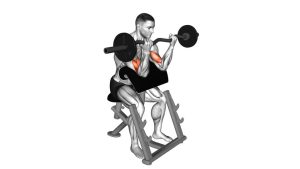
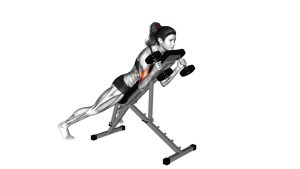
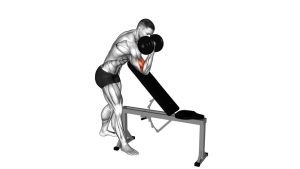
This variation is excellent for lifters who want cleaner curling mechanics and more upper-arm isolation. The preacher pad limits cheating, while the hammer grip shifts emphasis toward the brachialis and forearm flexors without removing the biceps from the movement. It works well for hypertrophy, arm-detail work, and improving elbow-flexor strength with controlled reps.
Quick Overview
| Body Part | Biceps |
|---|---|
| Primary Muscle | Brachialis |
| Secondary Muscle | Biceps brachii, brachioradialis, forearm flexors |
| Equipment | Dumbbell, preacher bench or preacher pad |
| Difficulty | Beginner to Intermediate |
Sets & Reps (By Goal)
- Muscle growth: 3–4 sets × 8–12 reps per arm, 60–90 sec rest
- Strength-focused arm work: 4–5 sets × 6–8 reps per arm, 90–120 sec rest
- Technique and control: 2–3 sets × 10–15 reps per arm, light-to-moderate load, smooth tempo
- Finisher / pump work: 2–3 sets × 12–15 reps per arm, shorter rest, controlled squeeze
Progression rule: Increase the dumbbell load only after you can complete all reps with a stable upper arm, neutral wrist, and a slow eccentric. Clean preacher curls beat sloppy heavier reps.
Setup / Starting Position
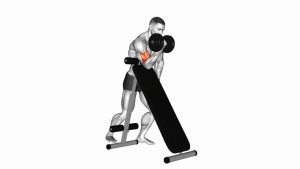
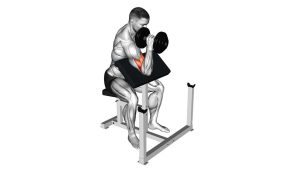
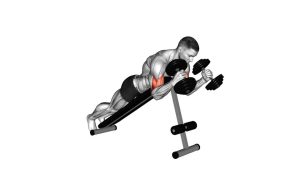
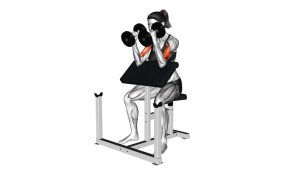
- Adjust the bench: Set the preacher pad so your armpit sits comfortably near the top edge without the shoulder rounding forward excessively.
- Grab one dumbbell: Hold it with a neutral grip so the thumb points upward the entire time.
- Plant the upper arm: Press the back of the upper arm firmly into the pad. Keep the elbow aligned naturally and avoid letting it drift.
- Set posture: Chest stays against the bench, shoulders stay down, and your torso remains still.
- Start near extension: Lower the dumbbell until the arm is almost straight, but do not slam into lockout.
Tip: Use a lighter dumbbell than you would for standard hammer curls. The preacher position makes the exercise much stricter.
Execution (Step-by-Step)
- Brace and stay fixed: Keep your chest supported, wrist straight, and upper arm glued to the pad.
- Curl the dumbbell upward: Flex the elbow and raise the dumbbell in a controlled arc while maintaining the hammer grip.
- Keep the shoulder quiet: Do not lift the shoulder or pull the elbow off the pad to finish the rep.
- Squeeze near the top: When the dumbbell reaches peak contraction, pause briefly and tighten the upper arm.
- Lower slowly: Reverse the movement under control until the arm is nearly straight again, keeping tension on the muscles.
- Repeat smoothly: Move into the next rep without bouncing off the bottom or using momentum.
Pro Tips & Common Mistakes
- Keep the grip neutral: Don’t rotate into a fully supinated curl unless you intentionally want a different variation.
- Control the eccentric: The lowering phase is where a lot of growth stimulus comes from—don’t rush it.
- Don’t jam the elbow: Leave a slight bend at the bottom if full extension feels harsh on the joint.
- Avoid shoulder cheating: If the shoulder starts helping, the dumbbell is probably too heavy.
- Keep the wrist stacked: Don’t let the wrist fold backward as fatigue builds.
- Use full useful range: Lift as high as you can without the upper arm coming off the pad or losing tension.
- Train both sides evenly: Match reps and form quality from arm to arm instead of chasing stronger-side numbers.
FAQ
What muscles does the Dumbbell Hammer Preacher Curl work most?
The main emphasis is on the brachialis, with strong assistance from the biceps brachii and brachioradialis. The neutral grip is a big reason this variation feels different from a standard preacher curl.
Is this better than a regular preacher curl?
It is not automatically better—it is just different. A regular supinated preacher curl usually emphasizes the biceps more directly, while the hammer version shifts more work toward the brachialis and forearms.
Should I use one arm at a time or both?
One arm at a time is often easier to control and helps you focus on equal development from side to side. It also makes it easier to find a comfortable elbow position on the pad.
Why does my elbow feel uncomfortable at the bottom?
The preacher position increases stretch in the elbow flexors. Try reducing the load, lowering more slowly, and stopping just short of full lockout if needed.
Can beginners use this exercise?
Yes. It can be a very beginner-friendly arm exercise because the bench helps stabilize the body. Just start with a light dumbbell and prioritize clean reps over heavy loading.
Recommended Equipment
- Preacher Curl Bench — the most direct setup for strict arm isolation and better support during preacher curls
- Adjustable Dumbbells — ideal for progressing load gradually without needing a full rack of dumbbells
- Thick Grip Attachments — optional tool to increase grip and forearm demand during hammer-style curling
- Wrist Wraps — useful if you want extra wrist support while keeping the dumbbell path stable
- Arm Blaster — an optional isolation tool for lifters who also want stricter standing curl variations
Tip: For most people, the best investment is a stable preacher bench and a set of adjustable dumbbells. The other tools are optional extras, not must-haves.