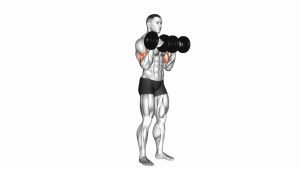
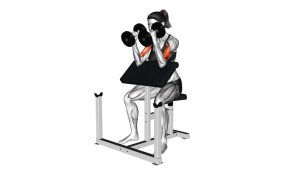
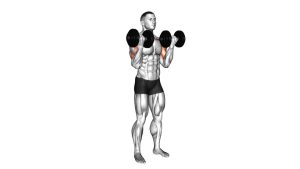
Dumbbell Prone Incline Hammer Curl: Form, Sets, Tips & FAQ
Learn the Dumbbell Prone Incline Hammer Curl for strict arm growth with minimal cheating. Step-by-step form, sets by goal, common mistakes, FAQs, and recommended equipment.
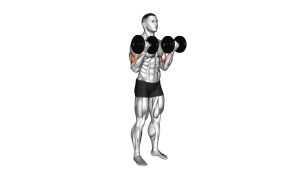
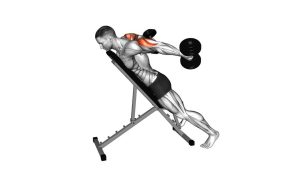
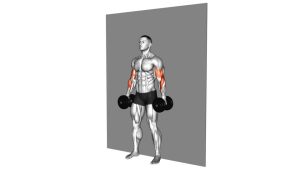
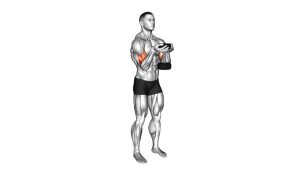
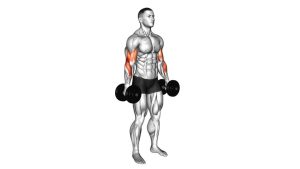
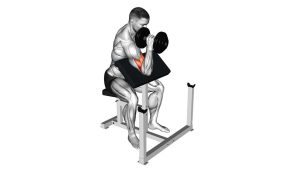
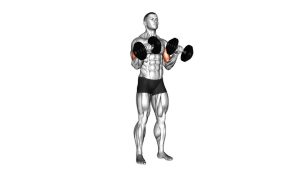
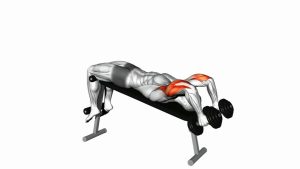
Dumbbell Prone Incline Hammer Curl
This variation works best when you let your arms hang freely, keep your chest glued to the bench, and curl without swinging the shoulders. The setup naturally limits cheating, so even moderate loads can feel challenging when your form is dialed in. Focus on a full stretch at the bottom, a clean curl path, and a controlled lowering phase on every rep.
Quick Overview
| Body Part | Biceps |
|---|---|
| Primary Muscle | Brachialis |
| Secondary Muscle | Brachioradialis, Biceps Brachii |
| Equipment | Incline bench, dumbbells |
| Difficulty | Beginner to Intermediate |
Sets & Reps (By Goal)
- Muscle growth: 3–4 sets × 8–12 reps with controlled tempo and 60–90 sec rest
- Strict technique practice: 2–3 sets × 10–15 reps using lighter dumbbells and perfect form
- Arm finisher: 2–3 sets × 12–15 reps with short rests and constant tension
- Strength-focused arm work: 3–4 sets × 6–8 reps with heavier dumbbells and full control
Progression rule: Add reps before adding load. Once you can hit the top of your target rep range with clean chest support and no shoulder swing, increase the dumbbell weight slightly.
Setup / Starting Position
- Set the bench: Adjust an incline bench to a moderate incline that lets your chest rest comfortably while your arms hang straight down.
- Get chest-supported: Lie face down with your chest firmly planted on the bench and your feet stable on the floor.
- Hold the dumbbells neutrally: Grip each dumbbell with palms facing each other.
- Let the arms hang: Start with the elbows fully extended or nearly extended, directly below the shoulders.
- Brace lightly: Keep the core engaged, neck neutral, and shoulders down without shrugging.
Tip: Use a bench angle that allows a natural arm hang. If the angle is too high, the motion can feel awkward and reduce the quality of the stretch.
Execution (Step-by-Step)
- Start from a dead hang: Let the dumbbells settle under the shoulders while keeping the chest pressed into the bench.
- Curl by bending the elbows: Raise the dumbbells upward with a hammer grip, keeping the upper arms mostly fixed.
- Stay strict: Do not drive the elbows forward or lift the chest off the bench to help the weight up.
- Squeeze near the top: Pause briefly when the forearms approach vertical and the elbows are fully flexed.
- Lower with control: Slowly return the dumbbells to the starting position, keeping tension through the eccentric phase.
Pro Tips & Common Mistakes
- Keep a true hammer grip: Palms should face each other the whole time to emphasize the brachialis and brachioradialis.
- Don’t bounce from the bottom: Let the stretch load the arms, but don’t yank the dumbbells upward.
- Chest stays planted: Lifting the torso defeats the purpose of the strict setup.
- Control the eccentric: Lowering slowly usually makes this exercise far more effective than rushing the descent.
- Avoid shrugging: Keep the traps relaxed so the elbows stay the focus.
- Use moderate loads: This is not a cheat-curl variation. Lighter weight with precision usually beats heavy slop here.
FAQ
What muscles does the Dumbbell Prone Incline Hammer Curl work?
It mainly targets the brachialis, with strong help from the brachioradialis and additional contribution from the biceps brachii. The chest-supported position keeps the movement strict and elbow-dominant.
Why do this instead of a regular standing hammer curl?
The incline chest-supported setup removes a lot of body English and momentum. That makes it easier to keep tension on the arms and harder to cheat the rep.
How heavy should I go?
Choose a weight you can control for the full range without lifting your chest off the bench or swinging the shoulders. For most people, this will be lighter than their standing hammer curl load.
Should I fully straighten my arms at the bottom?
Yes, in most cases a full controlled stretch is useful, as long as it feels comfortable on the elbows. Avoid snapping into lockout or relaxing so much that you lose control of the dumbbells.
Where should I place this in my workout?
It fits well in the middle or later part of an upper-body or arm session. Use it after compound pulling work when you want a stricter isolation movement for extra arm volume.
Recommended Equipment
- Adjustable Weight Bench — essential for setting the chest-supported incline position needed for this variation
- Rubber Hex Dumbbells — stable, durable dumbbells that work well for controlled hammer-grip curling
- Adjustable Dumbbells — practical for home gyms when you want fast load changes without multiple pairs
- Lifting Wrist Wraps — helpful if your wrists feel unstable during heavier hammer curls
- Foam Exercise Mat — useful under the bench area for grip, floor protection, and a cleaner home-gym setup
Tip: Prioritize a solid adjustable bench and comfortable dumbbells first. Those two items do the most to improve this exercise setup.