Dumbbell One-Arm Hammer Preacher Curl: Form, Muscles Worked, Sets & Tips
Learn how to perform the Dumbbell One-Arm Hammer Preacher Curl with strict form to target the brachialis, biceps, and brachioradialis. Includes setup, step-by-step execution, sets and reps by goal, mistakes to avoid, FAQs, and recommended equipment.
Dumbbell One-Arm Hammer Preacher Curl
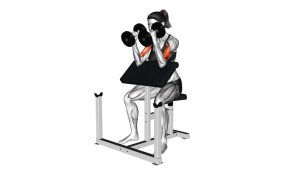
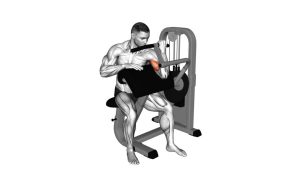
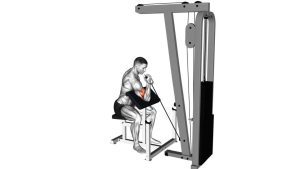
This exercise works best when you focus on strict elbow flexion and avoid turning it into a swinging curl. The preacher pad limits cheating and makes it easier to keep tension on the target muscles throughout the rep. Because you work one arm at a time, it is also useful for improving left-to-right arm balance and developing a stronger mind-muscle connection.
Quick Overview
| Body Part | Biceps |
|---|---|
| Primary Muscle | Brachialis |
| Secondary Muscle | Biceps brachii and brachioradialis |
| Equipment | Dumbbell and preacher bench |
| Difficulty | Beginner to Intermediate |
Sets & Reps (By Goal)
- Muscle growth: 3–4 sets × 8–12 reps per arm with 60–90 seconds of rest
- Strength-focused arm work: 4–5 sets × 6–8 reps per arm with 90–120 seconds of rest
- Technique and control: 2–3 sets × 10–15 reps per arm using a slow eccentric
- Finisher / pump work: 2–3 sets × 12–15 reps per arm with short rests and strict form
Progression rule: Add reps before adding load. Once you can hit the top of your rep range with clean form and no elbow lift, increase the dumbbell slightly.
Setup / Starting Position
- Adjust the preacher bench: Set the pad so your armpit sits comfortably near the top edge while your upper arm stays fully supported.
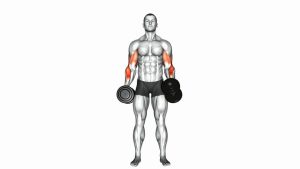
- Pick up one dumbbell: Hold it with a neutral grip so your palm faces inward.
- Plant the working arm: Press the back of the upper arm firmly into the pad and keep the elbow aligned naturally.
- Stabilize your body: Sit tall, brace lightly through the core, and keep the non-working hand on the bench or handle for balance.
- Start near full extension: Lower the dumbbell until the arm is nearly straight, but do not slam into the elbow joint.
Tip: Let the shoulder stay quiet. The upper arm should remain glued to the pad from start to finish.
Execution (Step-by-Step)
- Begin from the bottom: Start with the dumbbell hanging under control and your wrist stacked in a neutral hammer position.
- Curl the dumbbell upward: Flex the elbow and drive the forearm up without letting the upper arm lift off the preacher pad.
- Keep the wrist neutral: Do not curl the wrist or let it fold backward as the dumbbell rises.
- Squeeze at the top: When you reach peak contraction, pause briefly and tighten the upper arm without shrugging the shoulder.
- Lower slowly: Control the eccentric all the way back down until the arm is nearly straight again.
- Repeat for the target reps: Finish one arm, then switch sides or alternate arms between sets.
Pro Tips & Common Mistakes
- Keep the elbow pinned: Lifting the upper arm off the pad reduces isolation and turns it into a cheat curl.
- Use a true hammer grip: Keeping the palm facing inward increases brachialis and brachioradialis involvement.
- Control the lowering phase: The eccentric is where a lot of the training stimulus happens.
- Do not overload too early: Excess weight often causes wrist bending, shoulder movement, and partial reps.
- Avoid hard lockout: Keep tension on the muscle instead of crashing into the elbow joint at the bottom.
- Train both arms evenly: Match reps and technique from side to side to reduce imbalances.
FAQ
What muscles does the Dumbbell One-Arm Hammer Preacher Curl work most?
The main emphasis is on the brachialis, with strong assistance from the biceps brachii and brachioradialis. The hammer grip helps shift more work toward arm thickness and forearm involvement compared with a fully supinated preacher curl.
Is this better than a regular preacher curl for biceps growth?
It is not necessarily better for every goal, but it is excellent for targeting the brachialis and improving unilateral control. A regular supinated preacher curl may bias the biceps more directly, while the hammer version usually gives a more balanced upper-arm and forearm stimulus.
Should I fully straighten my arm at the bottom?
You can go close to full extension, but avoid forcing a harsh lockout. Keep tension on the muscles and lower the dumbbell under control instead of dropping into the bottom.
Can beginners use this exercise?
Yes. It is beginner-friendly as long as the load stays manageable and the setup is stable. Start light, learn the path of motion, and prioritize strict reps over heavy weight.
When should I place it in my workout?
Most lifters do best using it after compound pulling work or in the middle-to-late part of an arm session. It works well as a focused isolation movement once the elbows are warm.
Recommended Equipment
- Adjustable Dumbbells — versatile load options for progressive overload and one-arm curling work
- Preacher Curl Bench — gives proper upper-arm support for strict preacher curl mechanics
- Lifting Gloves or Grip Gloves — helpful if grip fatigue or handle pressure limits clean reps
- Adjustable Weight Bench — useful if you want a bench setup that supports arm training variations beyond preacher curls
- Elbow Sleeves for Weightlifting — optional joint support for lifters who want extra warmth during arm sessions
Tip: The best results come from strict form, moderate load, and consistent progression—not from using the heaviest dumbbell possible.