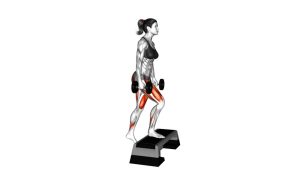
Dumbbell Lateral Step-Up: Proper Form, Muscles Worked & Tips
Master the Dumbbell Lateral Step-Up with clear form cues, sets by goal, and common mistakes. Build stronger quads, glutes, balance, and hip stability.
Dumbbell Lateral Step-Up
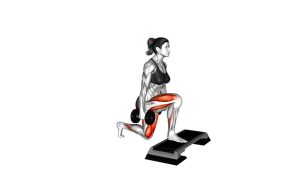
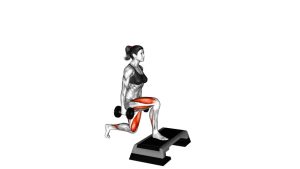
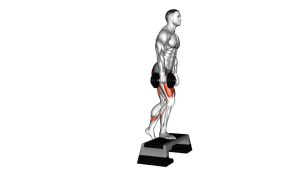
The Dumbbell Lateral Step-Up combines lower-body strength, balance, and coordination in one controlled movement. Because the body rises primarily through one working leg, the exercise challenges unilateral force production. Additionally, the sideways approach places meaningful demands on the muscles responsible for stabilizing the hips and pelvis.
This movement is particularly useful for developing stronger quadriceps and glutes while improving single-leg control. Moreover, maintaining an upright torso with dumbbells encourages trunk stability throughout the repetition. As a result, the exercise can complement squats, lunges, and other functional lower-body training movements.
However, proper technique matters more than lifting heavy weights. A stable platform, secure foot placement, and controlled descent should always take priority. Therefore, beginners should first master the movement without dumbbells before gradually adding resistance.
Quick Overview
| Body Part | Legs |
|---|---|
| Primary Muscle | Quadriceps and gluteus maximus |
| Secondary Muscle | Gluteus medius, gluteus minimus, hamstrings, adductors, and calves. Core and ankle stabilizers assist with balance and alignment. |
| Equipment | Two dumbbells and a stable flat bench or elevated step platform |
| Difficulty | Intermediate. Requires adequate single-leg strength, hip stability, balance, and controlled movement under resistance. |
Sets & Reps (By Goal)
- Strength: 3–5 sets × 5–8 reps per leg. Use challenging but manageable dumbbells, with 90–150 seconds of rest between sets. Prioritize controlled upward force and stable knee alignment.
- Hypertrophy (muscle growth): 3–4 sets × 8–12 reps per leg. Use moderate resistance and maintain a controlled lowering phase. Rest approximately 60–90 seconds.
- Muscular endurance: 2–3 sets × 12–18 reps per leg. Choose lighter dumbbells and maintain consistent technique. Additionally, avoid using momentum as fatigue increases.
- Balance and coordination: 2–3 sets × 6–10 reps per leg. Use bodyweight or very light dumbbells. Pause briefly at the top while maintaining a stable standing position.
- Mobility and rehabilitation-style control: 1–3 sets × 5–8 slow reps per leg. Begin with a low platform and no external load. For injury rehabilitation, follow an individualized plan from a qualified healthcare professional.
Progression rule: First master bodyweight lateral step-ups. Next, increase repetitions or improve lowering control. Once both legs can perform stable repetitions, gradually add dumbbell resistance. Increase platform height only when adequate strength and mobility are available.
Training note: Complete the prescribed repetitions on each side. For example, eight repetitions per leg means eight controlled ascents using the left leg and eight using the right leg.
Setup / Starting Position
Bench Position and Dumbbell Setup
- Select a stable platform: Choose a sturdy flat bench or step with a non-slip surface. Ideally, the height should allow the working leg to move comfortably without excessive hip or knee flexion.
- Stand beside the bench: Position yourself sideways next to the elevated platform rather than directly in front of it. Keep both feet initially on the floor.
- Hold the dumbbells: Grip one dumbbell in each hand, with your palms facing inward. Allow the arms to hang naturally beside the thighs.
- Establish upright posture: Keep the chest comfortably lifted, shoulders relaxed, and spine neutral. Additionally, brace the abdominal muscles without holding your breath.
- Set your foot position: Maintain a balanced stance with your feet approximately hip-width apart. Avoid positioning yourself so far away that you must jump or reach excessively sideways.
- Identify the working leg: The leg closest to the bench initiates the step-up. Meanwhile, the opposite leg remains on the floor until the upward drive begins.
- Prepare for controlled movement: Look forward, stabilize your trunk, and distribute the dumbbell weight evenly between both hands.
Stability Checks Before the First Rep
Before lifting, confirm that the bench does not wobble or shift. Furthermore, ensure the dumbbells can move freely beside your body without striking the platform.
If balance feels uncertain, practice the same lateral stepping pattern without weights. Consequently, you can develop confidence and proper foot placement before increasing the difficulty.
Execution (Step-by-Step)
Lateral Foot Placement and Upward Drive
- Begin from the side: Stand upright beside the bench, with both dumbbells hanging at your sides. Keep the torso facing forward and your core engaged.
- Lift the inside leg: Flex the hip and knee of the leg nearest the bench. Then, move the foot laterally toward the elevated surface.
- Place the foot securely: Set the entire working foot flat on the bench. Ensure the heel and forefoot are supported before transferring significant body weight onto that leg.
- Transfer weight onto the bench: Shift your center of mass toward the elevated foot. Meanwhile, maintain knee alignment with the toes and avoid excessive sideways trunk movement.
- Drive the body upward: Push through the midfoot and heel of the elevated leg. Extend the working knee and hip to raise your body onto the platform.
- Bring the trailing foot up: As the body rises, lift the opposite foot from the floor. Subsequently, place it beside the working foot on top of the bench.
- Stand tall at the top: Straighten both legs comfortably and establish a balanced position. Keep the torso upright and the dumbbells beside your thighs.
Controlled Descent and Return
- Initiate the descent: Shift support toward the original working leg. Then, carefully move the trailing foot toward the floor.
- Lower the trailing leg: Bend the supporting hip and knee gradually while keeping your trunk stable. Avoid dropping suddenly from the elevated platform.
- Touch the floor softly: Place the trailing foot on the ground beside the bench. Maintain control rather than allowing your body to fall.
- Return the working foot: Step the remaining foot down from the bench until both feet are safely positioned on the floor.
- Reset your starting position: Stand upright with both dumbbells at your sides. Check your balance, breathing, and posture before beginning another repetition.
- Complete both sides: Repeat the movement for the required repetitions. Then, move to the opposite side of the bench and train the other leg.
Breathing tip: Inhale while preparing and during the controlled descent. Exhale naturally as you push upward. Avoid unnecessary breath-holding, especially when learning the exercise.
Pro Tips & Common Mistakes
Pro Tips for Better Strength and Stability
- Drive through the elevated leg: Focus on producing force through the working foot. This helps emphasize the quadriceps and glutes instead of relying on momentum.
- Keep the entire foot supported: Position both the heel and forefoot firmly on the bench. As a result, you create a more stable base for upward movement.
- Maintain controlled knee tracking: Keep the knee moving approximately in the direction of the toes. Additionally, stabilize the hip to prevent excessive inward knee movement.
- Use a consistent tempo: Rise smoothly, stabilize at the top, and descend under control. For example, a two- to three-second lowering phase can improve movement awareness.
- Keep the dumbbells quiet: Let the weights hang beside your body. Moreover, avoid unnecessary shoulder movement or swinging during transitions.
Common Mistakes to Correct
- Pushing excessively from the floor: A powerful jump from the trailing leg reduces the emphasis on the elevated working leg. Instead, initiate the ascent primarily through the planted foot.
- Using an excessively high bench: A platform beyond your comfortable range may cause compensation, instability, or excessive trunk leaning. Therefore, choose a lower height when necessary.
- Allowing the knee to collapse inward: Poor knee tracking may indicate insufficient control or excessive resistance. Reduce the dumbbell weight and improve alignment before progressing.
- Leaning excessively sideways: Large trunk shifts can reduce balance and alter the intended movement pattern. Instead, maintain a stable torso while allowing natural weight transfer.
- Rushing the downward phase: Dropping from the bench increases landing forces and reduces muscular control. Consequently, use a slower descent and place each foot carefully.
- Increasing weight too early: Heavy dumbbells can overwhelm balance before sufficient technique develops. Therefore, prioritize consistent repetitions with lighter resistance first.
Coaching tip: If one leg feels noticeably less stable, begin each set with that side. Match the repetitions on the stronger leg instead of adding extra repetitions to compensate.
FAQ
Technique and Muscle Activation
What muscles does the Dumbbell Lateral Step-Up work?
The Dumbbell Lateral Step-Up primarily strengthens the quadriceps and gluteus maximus. These muscles extend the knee and hip during the upward drive.
Additionally, the gluteus medius and minimus help stabilize the pelvis. The hamstrings, calves, adductors, and core muscles also contribute to movement control. Consequently, the exercise develops both lower-body strength and balance.
How is a lateral step-up different from a regular step-up?
A traditional step-up generally begins with the athlete facing the elevated platform. In contrast, a lateral step-up starts beside the bench and uses a sideways foot placement.
Both variations strengthen the quadriceps and glutes. However, the lateral approach changes the balance demands and challenges frontal-plane hip stabilization. Therefore, both exercises can complement a complete leg routine.
Should I feel lateral step-ups in my glutes or quadriceps?
Both muscle groups contribute significantly to the movement. The quadriceps extend the supporting knee, while the gluteus maximus assists with hip extension.
Meanwhile, the gluteus medius helps maintain pelvic stability. The relative muscular emphasis depends on platform height, technique, joint angles, and individual anatomy. Therefore, feeling effort in both the thighs and glutes is normal.
Training Frequency and Progression
Is the Dumbbell Lateral Step-Up suitable for beginners?
Beginners can learn the movement, although adding dumbbells increases the difficulty. Initially, practice bodyweight lateral step-ups using a low and stable platform.
Once foot placement, balance, and knee tracking are consistent, introduce light dumbbells. Furthermore, increase resistance gradually rather than sacrificing movement quality. This approach allows strength and coordination to develop together.
How many repetitions should I perform per leg?
For general strength and muscle development, start with 3 sets of 8–12 repetitions per leg. Adjust resistance so the final repetitions remain challenging without compromising technique.
Alternatively, use fewer repetitions with heavier loads for strength training. Higher repetitions with lighter dumbbells can develop muscular endurance. Regardless of the goal, keep the movement controlled on both sides.
How often should I include lateral step-ups in my workouts?
Many training programs can include lateral step-ups once or twice per week. However, the ideal frequency depends on workout intensity, total training volume, and individual recovery.
For example, perform them after squats or another primary lower-body movement. Alternatively, use lighter variations during balance-focused sessions. Ensure adequate recovery between demanding leg workouts.
Balance, Safety, and Exercise Modifications
Why do I lose balance during the Dumbbell Lateral Step-Up?
Balance problems may result from excessive platform height, insufficient hip stability, poor foot placement, or overly heavy dumbbells.
Additionally, rushing the ascent can create unnecessary sideways movement. To improve control, reduce resistance and use a lower platform. Focus on a stable foot position and smooth weight transfer.
Should both feet reach the bench during each repetition?
Yes. In the complete lateral step-up variation demonstrated here, the leading leg lifts the body before the trailing foot joins it on the bench.
Subsequently, the athlete stands upright with both feet supported. The trailing foot then returns to the floor, followed by the working foot. Other variations may use a knee drive or single-leg balance at the top. However, those are different movement patterns.
Can lateral step-ups help improve single-leg stability?
Yes. Because one leg supports much of the body weight during the ascent and descent, lateral step-ups challenge unilateral strength and pelvic control.
Additionally, the ankle, knee, and hip stabilizers coordinate to maintain proper alignment. Over time, consistent training may improve movement confidence and lower-body coordination. However, progress depends on appropriate resistance and controlled technique.
Who should be cautious with weighted lateral step-ups?
Individuals with current knee or hip pain, significant balance limitations, or recent lower-body injuries should approach weighted step-ups carefully.
In these situations, a lower platform or bodyweight variation may be more appropriate. Furthermore, anyone recovering from surgery or injury should follow individualized medical or rehabilitation guidance before adding resistance.
Recommended Equipment
- Adjustable Dumbbells Pair — allows gradual resistance progression while maintaining balanced loading on both sides of the body
- Flat Weight Training Bench — provides an elevated surface for lateral step-ups when appropriately rated for dynamic stepping loads
- Adjustable Aerobic Step Platform — offers adjustable training height for controlled step-ups, balance practice, and lower-body strength development
- Non-Slip Gym Flooring Mat — provides a stable floor surface and helps reduce unwanted movement of suitable training equipment
- Mini Resistance Bands Set — useful for supplementary hip-abductor strengthening, glute activation, and lower-body warm-up exercises
Equipment tip: Choose a bench or step with a stable base, non-slip surface, and suitable load rating. Additionally, begin with light dumbbells until you can perform controlled repetitions on both legs. For better safety, avoid unstable chairs, rolling benches, and platforms that shift under pressure.