BOSU Ball Mountain Climber: Core Stability, Cardio Form, Sets & Tips
Learn the BOSU Ball Mountain Climber for core stability, shoulder control, and cardio conditioning with step-by-step form, sets, tips, FAQs, and gear.
BOSU Ball Mountain Climber
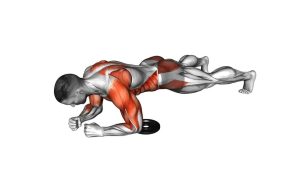
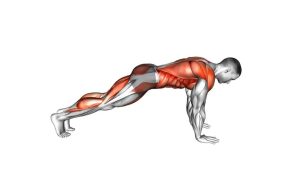
This exercise works best when your plank stays strong and your knee drives stay controlled. Although the movement can be fast, the BOSU ball should not bounce wildly under your hands. Instead, press firmly into the handles or platform, brace your core, and keep your shoulders stacked over your wrists. As a result, you train both conditioning and stability at the same time.
Quick Overview
| Body Part | Core |
|---|---|
| Primary Muscle | Rectus abdominis and deep core stabilizers |
| Secondary Muscle | Shoulders, hip flexors, quads, chest, triceps, and obliques |
| Equipment | BOSU ball or balance trainer |
| Difficulty | Intermediate because the unstable surface increases core and shoulder demand |
Sets & Reps (By Goal)
- Core stability: 3–4 sets × 20–30 seconds with controlled knee drives
- Cardio conditioning: 4–6 sets × 30–45 seconds with 30–60 seconds rest
- Fat-loss circuit training: 3–5 rounds × 30 seconds paired with squats, push-ups, or lunges
- Beginner BOSU practice: 2–3 sets × 10–16 slow alternating knee drives
Progression rule: First improve plank control. Then increase speed, time, or total rounds only when your hips stay level and your shoulders remain stable.
Setup / Starting Position
- Place the BOSU ball securely: Set the BOSU on the floor with the dome side up and the flat platform available for your hands.
- Grip the platform: Place both hands firmly on the BOSU platform, roughly shoulder-width apart.
- Step into a high plank: Extend both legs behind you and keep your feet on the floor.
- Stack your shoulders: Keep your shoulders over your wrists so your upper body can control the unstable surface.
- Brace your core: Pull your ribs down slightly, tighten your abs, and keep your body in a straight line from head to heels.
Tip: Before starting the knee drives, hold the plank for a few seconds. This helps you confirm that the BOSU is stable and your body position is ready.
Execution (Step-by-Step)
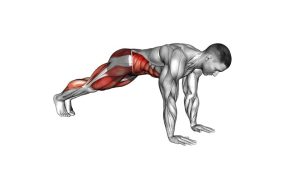
- Start in a strong plank: Keep your arms straight, your hands pressing into the BOSU, and your core engaged.
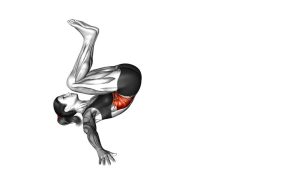
- Drive one knee forward: Bring one knee toward your chest while the opposite leg stays extended behind you.
- Return the foot: Step or lightly hop that foot back to the starting plank position.
- Switch sides: Drive the opposite knee forward in the same path while keeping your shoulders steady.
- Continue alternating: Move side to side with a smooth rhythm, keeping the BOSU controlled under your hands.
- Maintain alignment: Avoid letting your hips rise too high, sag too low, or rotate excessively as the pace increases.
Pro Tips & Common Mistakes
- Press down through your hands: This improves shoulder stability and reduces unnecessary BOSU wobble.
- Keep your hips level: Excessive hip bouncing turns the exercise into momentum instead of controlled core work.
- Drive the knees under the torso: A clean forward knee path keeps tension on the abs and hip flexors.
- Do not collapse your chest: Keep the upper back active so your shoulders do not sink toward the BOSU.
- Avoid rushing too early: Speed only helps when your plank position stays clean.
- Breathe with rhythm: Use short, steady breaths instead of holding your breath through the set.
- Control the BOSU first: If balance is difficult, perform slow knee drives before using a faster mountain climber tempo.
FAQ
What muscles does the BOSU Ball Mountain Climber work?
The exercise mainly works the core, especially the rectus abdominis and deep stabilizers. It also trains the shoulders, hip flexors, quads, chest, triceps, and obliques because the BOSU creates an unstable base.
Is the BOSU Ball Mountain Climber harder than a regular mountain climber?
Yes. The BOSU version is usually harder because your hands are on an unstable surface. Therefore, your shoulders and core must work harder to keep your body steady.
Should beginners do this exercise?
Beginners can try it slowly if they already have good plank control. However, if the plank position feels unstable or the lower back drops, start with floor mountain climbers first.
How fast should I perform BOSU Ball Mountain Climbers?
Start slow enough to keep your shoulders stable and your hips controlled. After that, gradually increase speed while maintaining a strong plank line.
Why does my BOSU ball wobble during the exercise?
Some wobble is normal because the BOSU creates instability. However, excessive wobbling usually means you are moving too fast, not pressing evenly through your hands, or losing core tension.
Recommended Equipment
- BOSU Balance Trainer — the main tool for performing BOSU Ball Mountain Climbers and other stability drills
- Non-Slip Exercise Mat — adds floor grip and comfort during plank-based training
- Workout Gloves with Grip — useful for improving hand contact on the BOSU platform
- Core Sliders — helpful for related mountain climber variations and controlled knee drives
- Fitness Interval Timer — helps manage timed conditioning sets, circuits, and rest periods
Tip: Choose equipment that supports control first. A stable setup helps you keep the movement safe, smooth, and effective.