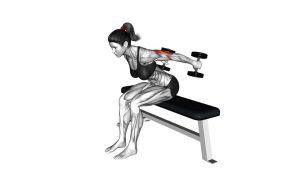
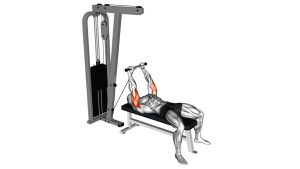
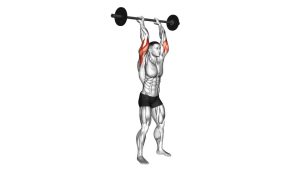
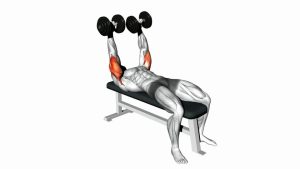
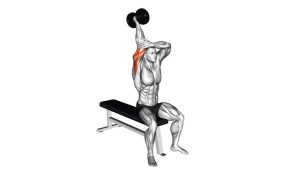
Dumbbell Seated Alternate Overhead Triceps Extension: Form, Sets, Tips & FAQ
Learn the Dumbbell Seated Alternate Overhead Triceps Extension with proper form, sets by goal, setup tips, common mistakes, FAQs, and recommended equipment for stronger, better-developed triceps.
Dumbbell Seated Alternate Overhead Triceps Extension
This exercise works best with a steady tempo, a moderate range of motion, and clean elbow mechanics. You should feel the work mainly in the back of the upper arm, not in the lower back, neck, or shoulders. Because it is performed seated, it can be easier to control body movement and keep the triceps doing most of the work. Alternating arms also gives you a chance to reset your posture between reps and maintain better quality from side to side.
Quick Overview
| Body Part | Triceps |
|---|---|
| Primary Muscle | Triceps brachii (long head emphasis) |
| Secondary Muscle | Lateral head and medial head of the triceps, shoulder stabilizers, and core |
| Equipment | One or two dumbbells and a bench with upright seated support preferred |
| Difficulty | Beginner to Intermediate |
Sets & Reps (By Goal)
- Technique / movement learning: 2–3 sets × 8–10 reps per arm with light weight and slow control
- Muscle growth / hypertrophy: 3–4 sets × 10–15 reps per arm with controlled tempo and short pauses
- Strength-focused accessory work: 3–4 sets × 6–8 reps per arm with heavier dumbbells and strict form
- High-rep finisher / pump work: 2–3 sets × 12–20 reps per arm with lighter weight and constant tension
Progression rule: Increase reps first, then load. Keep the elbow path clean and the torso stable before moving up in weight.
Setup / Starting Position
- Sit tall on a bench: Use a flat or upright bench and plant both feet firmly on the floor.
- Brace your torso: Keep your chest up naturally, ribs stacked, and core engaged so you do not overarch the lower back.
- Press one dumbbell overhead: Start with one arm extended above the head while the other arm waits in a controlled resting position.
- Align the elbow: Keep the working elbow pointed mostly upward with only a slight natural forward angle.
- Set the wrist: Hold the dumbbell securely with a neutral wrist and avoid letting the hand fold backward.
Tip: A bench with back support can help you keep a more stable posture and reduce unnecessary body movement.
Execution (Step-by-Step)
- Start overhead: Fully extend one arm above your head and lock in your posture before you begin the rep.
- Lower under control: Bend at the elbow and bring the dumbbell behind your head in a smooth arc.
- Keep the upper arm steady: Do not let the elbow drift excessively outward or the shoulder roll around.
- Reach a comfortable bottom: Lower until you feel a good triceps stretch without shoulder pinching or loss of control.
- Extend the elbow: Drive the dumbbell back up by straightening the arm, focusing on the triceps doing the work.
- Finish overhead: Return to the top without slamming into lockout, then stabilize briefly.
- Alternate arms: Switch sides and repeat the same motion with the opposite arm while keeping your torso upright.
Pro Tips & Common Mistakes
- Keep your elbow from flaring too wide: A small natural angle is fine, but too much flare shifts tension away from the target.
- Do not rush the lowering phase: The eccentric part helps maintain tension and improves control.
- Avoid excessive low-back arching: Squeeze your abs and glutes lightly to stay stacked.
- Use full control, not momentum: Swinging the dumbbell reduces triceps isolation.
- Choose a manageable range: Go deep enough to stretch the triceps, but not so deep that the shoulder feels jammed.
- Train both sides evenly: Since this is unilateral, match quality and reps from arm to arm.
- Do not chase aggressive lockout: Finish the rep smoothly and keep tension on the muscle.
FAQ
What muscle does the seated alternate overhead triceps extension target most?
It mainly targets the triceps brachii, especially the long head, because the arm is positioned overhead during the movement.
Why do this exercise one arm at a time?
Alternating arms can improve focus, balance out side-to-side differences, and help you keep cleaner form with less momentum.
Should I go heavy on this exercise?
You can load it progressively, but this exercise usually works best with controlled reps and good elbow positioning rather than maximum weight.
Can beginners do this exercise?
Yes. Beginners can start with a light dumbbell, slow tempo, and moderate range of motion to learn the movement safely.
What are the most common mistakes?
The most common mistakes are leaning back too much, letting the elbow flare excessively, lowering too fast, and using a weight that turns the rep into a full-body movement.
Recommended Equipment
- Adjustable Dumbbell Set — ideal for progressing load gradually without needing a full rack of dumbbells
- Adjustable Weight Bench — provides a more stable seated position and optional back support for stricter reps
- Weightlifting Wrist Wraps — useful if your wrists fatigue while stabilizing dumbbells overhead
- Elbow Sleeves — can add warmth and support during higher-volume arm training sessions
- Exercise Mat / Home Gym Floor Mat — helps protect flooring and creates a better home training setup around your bench
Tip: Choose equipment that helps you maintain better positioning and control. For this exercise, stable seating and appropriate dumbbell loading matter more than fancy accessories.