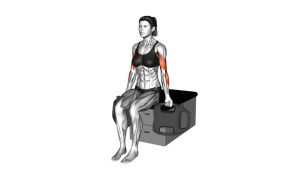
Cable Seated Unilateral Bicep Curl: Proper Form, Sets, Tips & FAQ
Learn how to perform the Cable Seated Unilateral Bicep Curl with strict form for better biceps isolation and constant tension. Includes setup, execution, sets by goal, common mistakes, FAQs, and recommended equipment.
Cable Seated Unilateral Bicep Curl
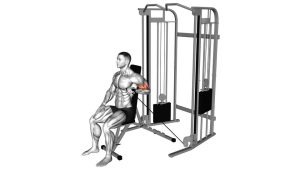
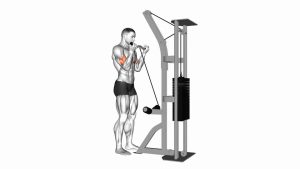
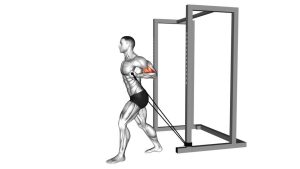
This exercise is ideal for lifters who want better biceps isolation than they get from standing curls. The cable line of pull keeps tension on the arm even at the bottom, and the unilateral setup helps expose strength imbalances between sides. For best results, keep your torso still, avoid pulling with the shoulder, and squeeze the biceps hard at the top without rushing the rep.
Quick Overview
| Body Part | Biceps |
|---|---|
| Primary Muscle | Biceps brachii |
| Secondary Muscle | Brachialis and brachioradialis |
| Equipment | Cable machine, single D-handle, bench or seat |
| Difficulty | Beginner to Intermediate |
Sets & Reps (By Goal)
- Muscle growth: 3–4 sets × 8–15 reps per arm, 45–75 sec rest
- Strength-focused arm work: 3–5 sets × 6–10 reps per arm, 60–90 sec rest
- Technique and isolation: 2–3 sets × 10–15 reps per arm with slower tempo
- Finisher / pump work: 2–3 sets × 12–20 reps per arm, short rest
Progression rule: Increase reps first while keeping strict form, then raise the cable load slightly once both arms can complete all target reps cleanly.
Setup / Starting Position
- Set the cable: Attach a single handle to a low pulley.
- Sit upright: Sit on the bench or station seat with your chest lifted and feet flat on the floor.
- Grip the handle: Use a supinated grip (palm facing up) with one hand.
- Align the arm: Let the working arm extend downward with a slight bend at the elbow, keeping tension on the cable.
- Lock in posture: Keep the elbow close to your side, shoulders level, and torso still.
Tip: Sit far enough from the pulley so the cable stays tight at the bottom without yanking your shoulder forward.
Execution (Step-by-Step)
- Brace and stay tall: Keep your spine neutral and your working elbow pinned near your torso.
- Curl the handle upward: Flex the elbow and bring the handle toward your shoulder in a smooth arc.
- Keep the upper arm quiet: Avoid letting the elbow drift far forward as the weight rises.
- Squeeze at the top: Pause briefly when the biceps are fully contracted.
- Lower slowly: Extend the arm under control until you return to a stretched position without losing cable tension.
- Repeat evenly: Complete all reps on one side, then switch arms if training one side at a time.
Pro Tips & Common Mistakes
- Keep the elbow close: A stable elbow increases biceps tension and reduces cheating.
- Stay seated and still: Don’t rock backward to force the weight up.
- Use full control on the way down: The eccentric phase is where a lot of growth stimulus happens.
- Don’t over-curl the wrist: Keep it neutral to avoid turning the rep into a forearm-dominant movement.
- Avoid shoulder takeover: Don’t let the front deltoid drag the elbow forward too much.
- Train both sides evenly: Match reps and quality with each arm to reduce imbalances.
FAQ
What makes the seated unilateral cable curl different from a standing curl?
Sitting down limits momentum and makes it easier to isolate the biceps. The unilateral setup also helps you focus on one arm at a time and correct side-to-side strength differences.
Should I curl all the way up to my shoulder?
Curl until your biceps are fully shortened, but do not force the handle up by rolling the shoulder forward. Smooth tension and a strong squeeze matter more than extra range created by cheating.
Is this exercise good for muscle growth?
Yes. The cable keeps tension on the biceps throughout the movement, and the seated position helps you maintain strict form, which makes it a strong hypertrophy option.
Should I train one arm completely before switching sides?
Either method works. You can finish all reps on one arm first or alternate arms each set. Just make sure both sides get equal volume and the same level of control.
What if I feel it more in my forearm than my biceps?
Check your grip and wrist position. Keep your palm up, wrist mostly neutral, and reduce the load if needed so you can curl with the biceps instead of gripping too hard with the forearm.
Recommended Equipment
- Single D-Handle Cable Attachment — ideal for smooth one-arm cable curls and other unilateral cable work
- Cable Machine / Functional Trainer — the main station needed for seated unilateral cable curling
- Adjustable Weight Bench — useful if your cable station does not include a dedicated seat
- Lifting Straps — optional if grip fatigue limits your arm training volume
- Elbow Sleeves — optional support for lifters who want extra warmth and comfort around the elbow joint
Tip: The best equipment choice here is a smooth cable setup with a comfortable single handle. Consistent tension and a clean line of pull matter more than using excessive load.