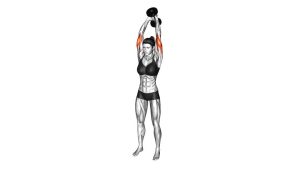
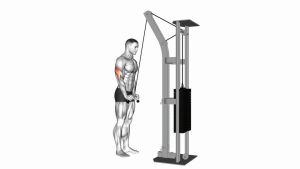
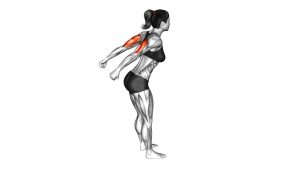
Cable Alternate Triceps Extension: Form, Muscles Worked, Sets, Tips & FAQ
Learn how to do the Cable Alternate Triceps Extension with proper form. Discover muscles worked, setup, step-by-step execution, sets and reps by goal, common mistakes, FAQs, and recommended equipment.
Cable Alternate Triceps Extension
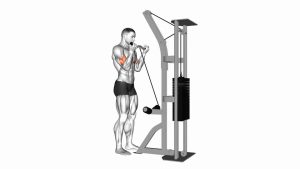
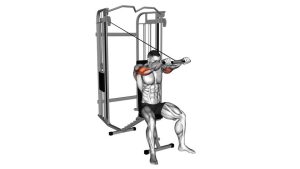
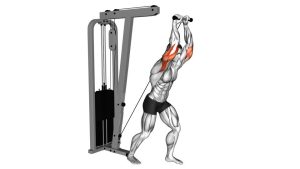
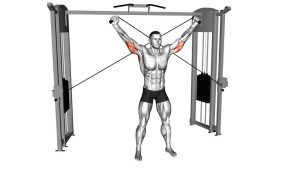
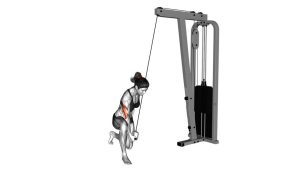
This exercise works best when you stay tall, keep the elbows stable, and move with deliberate control. You should feel the working arm drive the handle through elbow extension while the triceps stay under tension from the start of the rep to the finish. Since the movement is alternating, it also helps you focus on one side at a time instead of rushing through the set with momentum.
Quick Overview
| Body Part | Triceps |
|---|---|
| Primary Muscle | Triceps brachii (with strong emphasis on the long head) |
| Secondary Muscle | Medial head and lateral head of the triceps; shoulders and core act as stabilizers |
| Equipment | Cable machine with single handles or rope-style attachment setup |
| Difficulty | Beginner to Intermediate |
Sets & Reps (By Goal)
- Muscle growth: 3–4 sets × 10–15 reps per arm with 45–75 seconds rest
- Strength-focused control: 3–5 sets × 6–10 reps per arm with 60–90 seconds rest
- Technique and mind-muscle connection: 2–3 sets × 12–15 reps per arm using a slower tempo
- Finisher / pump work: 2–3 sets × 15–20 reps per arm with short rest and strict form
Progression rule: Add reps before adding load. Once you can complete all planned reps per side with clean elbow tracking and no torso sway, increase the weight slightly.
Setup / Starting Position
- Set the cables correctly: Position the pulleys so the line of pull matches the extension path you want to use for each arm.
- Choose your grip: Use single handles or a rope-style setup that allows a comfortable wrist position.
- Stand tall: Plant the feet about hip-width apart and brace the core.
- Bring the handles into the start position: Elbows bent, upper arms steady, and hands near the head or just above shoulder level depending on machine setup.
- Lock in posture: Keep the chest up, shoulders controlled, and lower back neutral before you begin alternating reps.
Tip: Your start position should feel stable and balanced. If the cables pull you out of position before the rep even starts, reduce the load or adjust your stance.
Execution (Step-by-Step)
- Brace and set: Keep the torso still, elbows controlled, and wrists neutral.
- Extend one arm: Drive the handle by straightening the elbow while keeping the upper arm mostly fixed.
- Reach full contraction: Finish the rep with the arm nearly straight and the triceps fully squeezed, without slamming into lockout.
- Lower under control: Return the handle slowly to the start position, letting the elbow bend without losing posture.
- Switch sides: Perform the same motion with the other arm while keeping the non-working side stable.
- Continue alternating: Repeat side to side until the set is complete, maintaining the same tempo and range on both arms.
Pro Tips & Common Mistakes
- Keep the elbows from drifting: Too much elbow movement turns the exercise into a messy shoulder-driven rep.
- Don’t rush the alternating rhythm: Finish one clean rep before switching sides.
- Use a full but comfortable range: Extend hard at the top, then control the return into a good stretch.
- Avoid lower-back arching: Overextending the spine usually means you are trying to move too much weight.
- Stay neutral through the wrists: Bent wrists often reduce force transfer and make the rep less comfortable.
- Match both sides: Use the same tempo and range on each arm instead of letting the stronger side dominate the set.
FAQ
What muscles does the Cable Alternate Triceps Extension work?
It primarily targets the triceps brachii, with strong emphasis on the long head. The shoulders and core also help stabilize the body during the set.
Is this better than doing both arms at the same time?
Alternating arms can improve focus, help correct side-to-side imbalances, and make it easier to control each rep. Bilateral versions are also effective, but the alternating style often gives lifters better quality reps.
Should I use heavy weight on this exercise?
Use a load that lets you keep the elbows stable and the tension on the triceps. This exercise usually works best with strict, moderate resistance rather than sloppy max loading.
Where should I feel it?
You should feel the triceps doing the work, especially near the back of the upper arm. If you mostly feel your shoulders, traps, or lower back, your setup or technique likely needs adjustment.
Can beginners use this exercise?
Yes. Beginners can use it effectively as long as the load is light enough to control and the setup allows a smooth extension path. It is a good triceps isolation choice for learning elbow-driven movement.
Recommended Equipment
- Triceps Rope Cable Attachment — a classic option for cable triceps work that supports a smooth, comfortable extension path
- Single D-Handle Cable Attachment — useful for unilateral cable work and side-to-side triceps training
- Resistance Bands Set — a practical backup for warm-ups, pump work, or home triceps sessions
- Adjustable Weight Bench — helpful for structuring a full upper-body workout around your cable arm training
- Weightlifting Belt — optional support for lifters who want extra torso bracing during heavier accessory sessions
Tip: The best equipment choice is the one that lets you keep steady tension on the triceps and repeat the same clean elbow path on every rep.