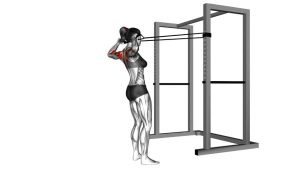
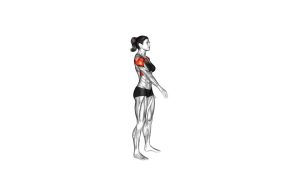
Dumbbell Seated Cuban Press: Proper Form, Muscles Worked, Sets & Tips
Learn the Dumbbell Seated Cuban Press for stronger, healthier shoulders. Discover proper form, muscles worked, step-by-step execution, sets and reps by goal, common mistakes, FAQs, and recommended equipment.
Dumbbell Seated Cuban Press
This exercise is less about lifting heavy and more about moving cleanly through each phase. Done correctly, it can help reinforce shoulder stability, upper-arm positioning, and better awareness of how the shoulder rotates under load. The seated setup also reduces momentum, making it easier to stay focused on form and keep the torso upright throughout the movement.
Quick Overview
| Body Part | Shoulders |
|---|---|
| Primary Muscle | Deltoids, especially the lateral and anterior heads |
| Secondary Muscle | Rotator cuff, upper traps, triceps, and upper-back stabilizers |
| Equipment | Dumbbells and a flat or upright bench |
| Difficulty | Beginner to Intermediate (best performed with light weight and strict control) |
Sets & Reps (By Goal)
- Shoulder warm-up: 2–3 sets × 8–10 reps with very light dumbbells
- Stability / prehab work: 2–4 sets × 6–12 reps with slow, perfect form
- Accessory shoulder training: 3 sets × 8–15 reps after primary pressing work
- Technique practice: 2–3 sets × 5–8 reps focusing on clean transitions between phases
Progression rule: Increase control and range quality before increasing load. In most cases, better execution matters more than heavier dumbbells on this exercise.
Setup / Starting Position
- Sit tall on a bench: Keep your feet planted firmly on the floor and your chest lifted.
- Hold a pair of light dumbbells: Let your arms hang down naturally at your sides.
- Brace the torso lightly: Keep the core engaged without arching the lower back.
- Set the shoulders: Keep them down and back slightly, not shrugged up.
- Start controlled: Begin from a stable seated posture so the shoulders do the work instead of momentum.
Tip: Start lighter than you think you need. The external rotation phase exposes weak links quickly.
Execution (Step-by-Step)
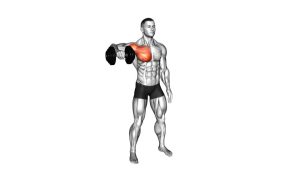
- Raise the dumbbells upward: Perform a controlled upright-row motion, bringing the elbows up until the upper arms are around shoulder height.
- Keep the elbows high: At the top, your elbows should stay lifted as you prepare to rotate.
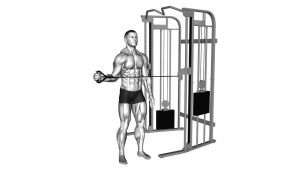
- Externally rotate the shoulders: Rotate the forearms backward until the hands move into a goalpost-like position.
- Press overhead: From the rotated position, press the dumbbells upward until the arms are extended overhead.
- Reverse the movement: Lower back to the goalpost position, rotate forward carefully, then return the dumbbells to the starting position.
Pro Tips & Common Mistakes
- Use light weight: Heavy dumbbells usually ruin the rotation phase and overload the shoulders.
- Keep the elbows level: Dropping the elbows too early reduces the benefit of the external rotation portion.
- Move in phases: Separate the upright row, rotation, and press instead of blending them sloppily.
- Stay seated tall: Avoid leaning back or turning the movement into a momentum-driven press.
- Do not shrug excessively: Let the shoulders move naturally, but do not jam the traps upward.
- Control the lowering phase: The return is just as important as the press itself.
- Avoid pain-based range: Reduce the range of motion if your shoulders feel pinchy or unstable.
FAQ
What muscles does the Dumbbell Seated Cuban Press work?
It mainly targets the shoulders, especially the deltoids, while also challenging the rotator cuff, upper traps, triceps, and upper-back stabilizers.
Is the Dumbbell Seated Cuban Press a mass-building exercise?
It can contribute to shoulder development, but it is usually better used as a stability, control, or accessory movement rather than a heavy mass-building lift.
How heavy should I go on Cuban presses?
Lighter than most people expect. The movement works best with weights that let you keep each phase smooth, especially the external rotation portion.
Should I do this before or after shoulder presses?
It can work well before pressing as part of a warm-up or after pressing as a light accessory movement, depending on your training goal and shoulder tolerance.
Why do this seated instead of standing?
The seated position reduces cheating and body sway, making it easier to focus on clean shoulder mechanics and strict control.
Recommended Equipment
- Light Neoprene Dumbbells — ideal for learning the movement with strict form and controlled shoulder rotation
- Adjustable Dumbbells — useful if you want small load jumps as your control improves
- Adjustable Weight Bench — provides a stable seated position for cleaner execution
- Resistance Loop Bands — great for shoulder prep, activation, and pairing with rotator-cuff work
- Foam Roller — useful for upper-back mobility work before shoulder sessions
Tip: For this exercise, lighter and more controlled equipment choices are usually better than chasing heavy resistance.