Elbow-to-Knee Decline Side Plank: Form, Sets, Tips & FAQ
Learn the Elbow-to-Knee Decline Side Plank to strengthen obliques, core stability, and hip control with step-by-step form tips.
Elbow-to-Knee Decline Side Plank
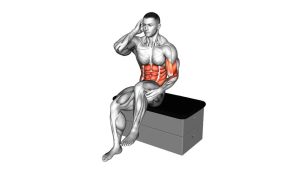
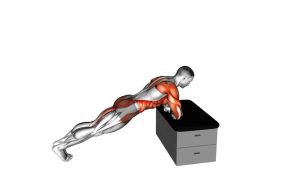
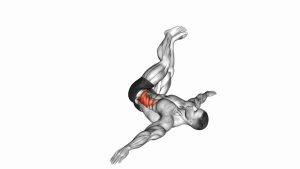
This movement is best used when you already have a strong basic side plank. The decline angle increases the load on the core and shoulder, while the knee-to-elbow action adds a dynamic oblique contraction. The goal is not to rush the crunch. The goal is to keep the body stable while the top knee and elbow meet smoothly.
Quick Overview
| Body Part | Core |
|---|---|
| Primary Muscle | Obliques |
| Secondary Muscle | Rectus abdominis, transverse abdominis, hip flexors, glutes, shoulder stabilizers |
| Equipment | Bench, box, or stable elevated surface |
| Difficulty | Advanced |
Sets & Reps (By Goal)
- Core strength: 3–4 sets × 6–10 reps per side
- Oblique control: 2–3 sets × 8–12 slow reps per side
- Stability training: 3 sets × 5–8 reps per side with a 2-second pause at the crunch
- Conditioning finisher: 2–3 rounds × 20–30 seconds per side
Progression rule: First improve control and hip height. Then increase reps, pause time, or bench height.
Setup / Starting Position
- Place your feet on a bench: Use a stable bench, box, or platform that will not slide.
- Set your bottom elbow: Position the elbow directly under the shoulder with the forearm on the floor.
- Stack your body: Keep your shoulders, hips, knees, and feet in one long diagonal line.
- Brace your core: Pull the ribs down slightly and squeeze the glutes to prevent hip sagging.
- Prepare the top arm and leg: Keep the top arm ready to move toward the top knee during the crunch.
Execution (Step-by-Step)
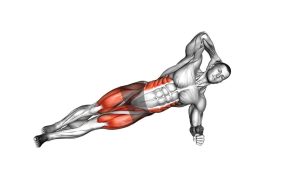
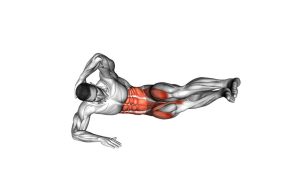
- Start in a decline side plank: Lift the hips and create a straight line from head to feet.
- Drive the top knee forward: Bend the top knee toward your torso without letting the hips collapse.
- Bring elbow toward knee: Rotate slightly through the trunk and guide the top elbow toward the knee.
- Squeeze at the top: Pause briefly when the elbow and knee come close together.
- Return with control: Extend the leg back to the start position and re-stack the body.
- Repeat on one side: Finish all reps before switching sides.
Pro Tips & Common Mistakes
- Keep the elbow under the shoulder: A wide or forward elbow position can overload the shoulder.
- Do not rush the crunch: Fast reps usually turn this into a swinging leg movement instead of a core exercise.
- Keep the hips high: Sagging hips reduce oblique tension and may stress the low back.
- Control the return: The extension phase matters as much as the crunch phase.
- Avoid over-rotation: Rotate just enough to bring the elbow and knee together while keeping balance.
- Use a stable bench: A moving or soft surface makes the exercise unsafe and harder to control.
FAQ
What muscles does the Elbow-to-Knee Decline Side Plank work?
It mainly targets the obliques. It also trains the rectus abdominis, transverse abdominis, hip flexors, glutes, and shoulder stabilizers because your body must stay lifted while you crunch.
Is this exercise beginner-friendly?
No. This is an advanced side plank variation. Beginners should first master the regular side plank, then the side plank knee-to-elbow on the floor before adding a decline position.
Why do my hips drop during the movement?
Hip dropping usually means the exercise is too advanced, the bench is too high, or the core is losing tension. Reduce the range of motion, lower the elevation, or practice shorter sets.
Should my elbow and knee touch every rep?
Touching is optional. The priority is control. Bring them close together while keeping your hips lifted, ribs controlled, and shoulder stable.
Can I use this exercise for abs and obliques?
Yes. It is excellent for oblique strength, lateral core control, and dynamic abdominal training. It works best when performed slowly with clean alignment.
Recommended Equipment (Optional)
- Flat Workout Bench — provides a stable elevated surface for decline side plank variations
- Exercise Mat — cushions the supporting elbow and improves floor comfort
- Non-Slip Training Shoes — helps keep the feet secure on the bench or platform
- Push-Up Bars / Parallettes — useful for advanced core progressions and shoulder-friendly plank variations
- Core Sliders — great for related oblique, plank, and knee-drive core exercises
Tip: For this exercise, the most important tool is a stable bench. Avoid unstable chairs or soft surfaces.