Boat Stretch: Core Balance Hold, Form, Sets, Tips & FAQ
Learn the Boat Stretch to build core control, balance, and hip-flexor endurance with proper form, sets by goal, mistakes, FAQs, and gear.
Boat Stretch
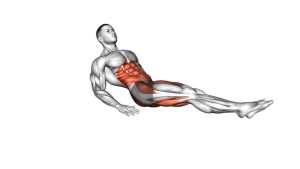
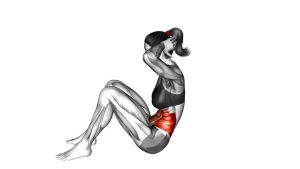
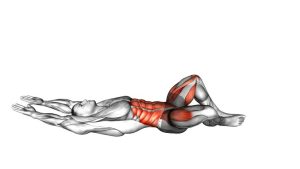
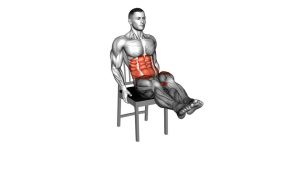
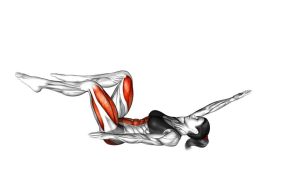
This movement works best when it is performed with calm control rather than momentum. First, the body balances on the sit bones. Then, the core stays braced while the legs remain elevated. Because the position is held instead of repeated quickly, the goal is to keep the torso steady, the spine long, and the breathing smooth.
Quick Overview
| Body Part | Core |
|---|---|
| Primary Muscle | Rectus abdominis and deep core stabilizers |
| Secondary Muscle | Hip flexors, obliques, quadriceps, and spinal stabilizers |
| Equipment | None; optional exercise mat for comfort |
| Difficulty | Intermediate because it requires balance, core endurance, and hip-flexor control |
Sets & Reps (By Goal)
- Core control: 2–3 sets × 10–20 second holds with 45–60 seconds rest
- Balance practice: 3–4 sets × 8–15 second holds with slow, clean posture resets
- Core endurance: 3–5 sets × 20–40 second holds with 60–90 seconds rest
- Beginner modification: 2–3 sets × 8–12 second holds with knees slightly bent
Progression rule: Add time before adding difficulty. For example, hold the position for 5 extra seconds before raising the legs higher or straightening the knees more fully.
Setup / Starting Position
- Sit on the floor: Start seated with your legs extended forward and your torso tall.
- Lean back carefully: Shift your torso backward until your core must work to keep you balanced.
- Lift the legs: Raise both legs off the floor while keeping them straight or nearly straight, based on control.
- Reach the arms forward: Extend your arms toward the legs to help balance the position.
- Brace lightly: Keep your ribs controlled, spine long, and neck relaxed before starting the hold.
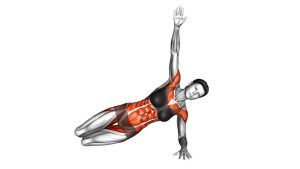
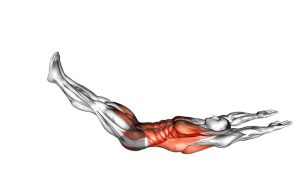
In the video, the exercise is shown as a static hold. Therefore, avoid turning it into a fast crunch or swinging motion.
Execution (Step-by-Step)
- Set the V-shape: Lean back and lift the legs until your torso and thighs form a controlled boat-like position.
- Hold steady: Keep the legs elevated while the arms reach forward for balance.
- Keep the core active: Brace the abs gently so the lower back does not collapse or round excessively.
- Breathe under tension: Take controlled breaths instead of holding your breath.
- Maintain posture: Keep the chest lifted, shoulders relaxed, and head aligned with the spine.
- Finish with control: Lower the legs and torso slowly when the hold is complete.
Pro Tips & Common Mistakes
- Keep the movement isometric: This exercise is a hold, not a repeated sit-up.
- Avoid swinging the legs: Momentum reduces core demand and makes balance harder to control.
- Do not collapse the chest: Instead, stay long through the spine and keep the ribs controlled.
- Use the arms for balance: However, avoid reaching so aggressively that the shoulders tense up.
- Modify when needed: Bend the knees slightly if the straight-leg version causes lower-back strain.
- Stop before form breaks: Quality matters more than a longer hold with poor posture.
FAQ
What muscles does the Boat Stretch work?
The Boat Stretch mainly works the abs and deep core stabilizers. Additionally, the hip flexors, obliques, quadriceps, and spinal stabilizers help keep the legs lifted and the torso balanced.
Is the Boat Stretch a stretch or a core exercise?
Although the name includes “stretch,” the visible movement is primarily a core-balance hold. It may create a lengthened feeling through the body, but the main training effect comes from isometric core control.
Should my legs stay straight?
In the demonstrated version, the legs appear straight and lifted. However, bending the knees is a useful modification if straight legs make the lower back strain or reduce balance.
How long should I hold the Boat Stretch?
Start with 10–20 seconds if you are learning the movement. Then, gradually build toward 30–40 seconds while keeping the torso steady and the breathing controlled.
Why do my hip flexors feel this exercise?
Your hip flexors help keep the legs elevated. However, your abs should still feel active. If the hip flexors dominate too much, bend your knees, lower the legs slightly, or shorten the hold.
Recommended Equipment (Optional)
- Exercise Mat — adds comfort under the sit bones and lower back during floor-based core holds
- Yoga Blocks — useful for supported regressions and controlled seated balance practice
- Core Sliders — helpful for progressing into controlled core drills after mastering the hold
- Light Ankle Weights — optional advanced progression only after the bodyweight version feels stable
- Small Pilates Ball — can support modified core positions and help beginners control body angle
Tip: Master the no-equipment version first. Then, use accessories only when they improve comfort, control, or progression.