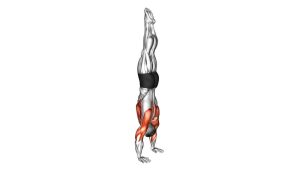
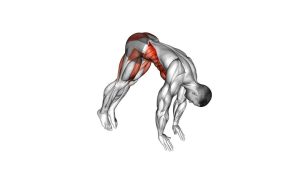
Full Planche Push-Up: Form, Muscles Worked, Progressions, Sets & Tips
Learn how to perform the Full Planche Push-Up with proper form, body tension, setup, step-by-step execution, common mistakes, FAQs, and recommended equipment.
Full Planche Push-Up
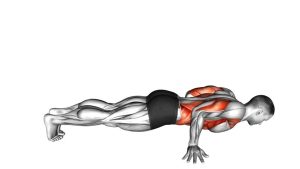
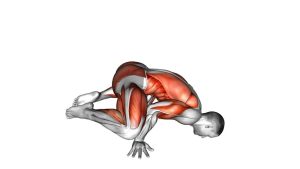
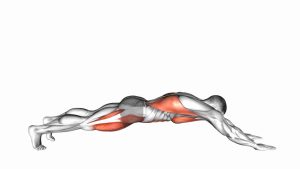
The Full Planche Push-Up is not a beginner movement. It should only be trained after building a strong foundation with planche leans, tuck planche holds, advanced tuck planche, straddle planche work, pseudo planche push-ups, and controlled scapular protraction drills. The goal is to lower and press the body while maintaining a rigid, straight, floating position above the floor.
Quick Overview
| Body Part | Chest, Shoulders, Triceps, Core |
|---|---|
| Primary Muscle | Anterior deltoids, triceps brachii, chest |
| Secondary Muscle | Serratus anterior, upper chest, forearms, wrists, abs, glutes, hip flexors, scapular stabilizers |
| Equipment | Bodyweight only; optional parallettes, wrist wraps, resistance bands, gymnastic rings, exercise mat |
| Difficulty | Elite / Advanced |
Sets & Reps (By Goal)
- Skill practice: 3–6 sets × 1–3 controlled reps, long rest between sets.
- Strength development: 4–5 sets × 1–4 reps, using perfect form only.
- Planche control: 3–5 sets × 1 rep with a 2–3 second pause at the bottom.
- Assisted progression: 3–5 sets × 3–6 band-assisted reps.
- Technique maintenance: 2–3 sets × 1–2 reps after planche holds or push strength work.
Progression rule: Do not increase reps until you can maintain straight legs, locked core, active scapular protraction, and a controlled press without hip sagging.
Setup / Starting Position
- Warm up thoroughly: Prepare wrists, elbows, shoulders, scapulae, chest, and core before attempting the movement.
- Place your hands: Set your hands on the floor or parallettes slightly wider than shoulder-width.
- Turn the hands slightly outward: This can reduce wrist stress and improve shoulder positioning.
- Lean forward: Shift your shoulders far in front of your hands until your feet begin to unload.
- Lock the body line: Squeeze glutes, brace abs, point toes, and keep legs together.
- Protract the scapulae: Push the floor away so the upper back stays rounded and strong.
- Float into full planche: Lift the feet fully off the floor while keeping the body horizontal.
Execution (Step-by-Step)
- Start in a full planche: Arms straight, elbows locked, shoulders protracted, body parallel to the floor.
- Brace harder before lowering: Tighten your abs, glutes, quads, and toes to prevent the hips from dropping.
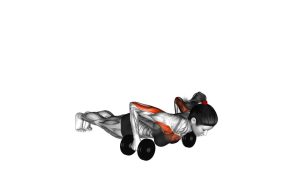
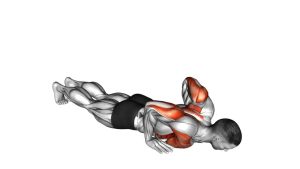
- Bend the elbows slowly: Lower your body under control while keeping the elbows tracking backward, not wildly flaring out.
- Keep the forward lean: Do not shift backward into a regular push-up position.
- Lower as one solid unit: Chest, hips, knees, and feet should move together without breaking alignment.
- Pause near the bottom: Maintain tension when the elbows are bent and the chest is close to hand level.
- Press upward: Drive through the hands, extend the elbows, and keep the shoulders pushed forward.
- Return to lockout: Finish in the same full planche position with straight arms and a stable body line.
Pro Tips & Common Mistakes
Pro Tips
- Master the static hold first: A clean full planche hold should come before full planche push-ups.
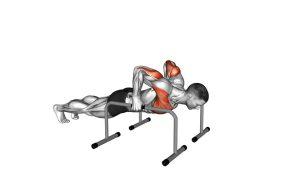
- Use parallettes if wrists hurt: Parallettes allow a neutral grip and can reduce wrist extension stress.
- Keep scapulae protracted: Do not let your chest sink between your shoulders.
- Point the toes: Toe tension helps reinforce a long, rigid body line.
- Train low reps: This is a max-strength skill, not a high-rep conditioning exercise.
- Use band assistance: A resistance band around the hips can help maintain correct position while building strength.
Common Mistakes
- Hips dropping: This turns the movement into a broken-body press and overloads the lower back.
- Elbows flaring too wide: This can increase shoulder stress and reduce pressing efficiency.
- Losing scapular protraction: A collapsed shoulder position makes the movement unstable and risky.
- Training too often: The wrists and shoulders need recovery from high-intensity planche work.
- Skipping progressions: Full planche push-ups require years of preparation for most athletes.
- Using momentum: Fast, uncontrolled reps reduce strength benefit and increase injury risk.
FAQ
Is the Full Planche Push-Up good for building muscle?
Yes, but it is mainly a high-level strength and skill movement. It heavily trains the shoulders, triceps, chest, serratus anterior, and core. For pure hypertrophy, easier variations with more volume are often more practical.
What muscles does the Full Planche Push-Up work the most?
The anterior deltoids and triceps do most of the pressing work, while the chest assists. The serratus anterior, abs, glutes, hip flexors, wrists, and forearms stabilize the full-body planche position.
Is this exercise safe for beginners?
No. Beginners should not attempt the full version. Start with planche leans, pseudo planche push-ups, frog stands, tuck planche holds, and band-assisted progressions.
Should I do Full Planche Push-Ups on the floor or parallettes?
Both are valid. Floor work is more specific to wrist extension strength, while parallettes reduce wrist strain and often make the movement more comfortable for advanced athletes.
How many reps should I be able to do?
Even 1 strict rep is advanced. Most athletes should focus on clean singles, assisted reps, and high-quality progression work before chasing higher reps.
Why do my hips drop during the movement?
Hip drop usually means the shoulders, core, glutes, or planche lean strength are not strong enough yet. Regress to straddle planche push-ups, band-assisted reps, or tuck planche push-up variations.
How often should I train Full Planche Push-Ups?
Most advanced athletes train planche pressing 2–3 times per week, depending on recovery. Avoid daily max-effort attempts because the wrists, elbows, and shoulders need time to adapt.
Recommended Equipment
- Wooden Parallettes / Push-Up Bars — useful for neutral wrist positioning and planche push-up practice.
- Heavy Resistance Bands — helpful for assisted planche push-ups and progressive overload.
- Calisthenics Wrist Wraps — provides wrist support during high-pressure planche training.
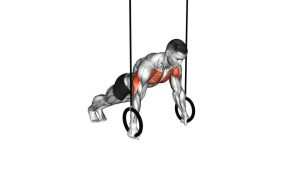
- Gymnastics Rings — excellent for advanced pushing strength, ring support holds, and body control drills.
- Thick Exercise Mat — adds comfort and protection during planche progressions and failed attempts.
Tip: Choose equipment that supports safe progression. For the Full Planche Push-Up, parallettes, wrist wraps, and resistance bands are the most useful tools for reducing joint stress and building clean strength.