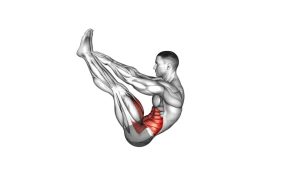
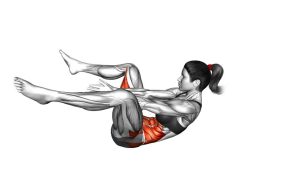
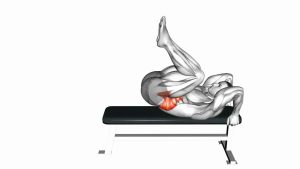
Arms Overhead Full Sit-Up: Benefits, Form, Sets, Tips & FAQ
Learn the Arms Overhead Full Sit-Up for stronger abs, better core control, and full-range trunk flexion with proper form, sets, tips, FAQs, and equipment.
Arms Overhead Full Sit-Up
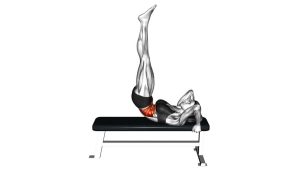
This exercise is useful when you want a simple but challenging bodyweight movement for abdominal strength. Unlike short crunches, the Arms Overhead Full Sit-Up takes the torso from a lying position into a full seated position. As a result, it trains both the lifting phase and the controlled lowering phase. The overhead arm position increases the lever length, so the abs must work harder to raise the upper body from the floor.
Although the movement looks basic, it requires good control. The best reps are not fast or aggressive. Instead, each repetition should begin with a controlled curl, continue through the mid-range without jerking, and finish with a slow return to the mat. When performed correctly, the exercise builds abdominal strength, improves trunk control, and develops better awareness of spinal flexion.
Quick Overview
| Body Part | Core |
|---|---|
| Primary Muscle | Rectus abdominis |
| Secondary Muscle | Obliques, hip flexors, deep core stabilizers |
| Equipment | Bodyweight only; optional exercise mat |
| Difficulty | Intermediate because the overhead arm position increases the lever length and core demand |
Sets & Reps (By Goal)
- Core strength: 3–4 sets × 6–10 controlled reps, resting 60–90 seconds between sets.
- Abdominal hypertrophy: 3–5 sets × 8–15 reps, using a slow lowering phase and full range.
- Muscular endurance: 2–4 sets × 12–20 reps, while maintaining clean tempo and steady breathing.
- Beginner progression: 2–3 sets × 5–8 assisted reps with arms forward instead of overhead.
- Core finisher: 2–3 rounds × 30–45 seconds, stopping before the lower back takes over.
Progression rule: First improve control and range of motion. After that, increase reps, slow the descent, or add a light medicine ball only if your lower back remains comfortable.
Setup / Starting Position
- Lie on your back: Start on a mat with your body long, legs extended, and feet relaxed.
- Reach the arms overhead: Extend both arms behind your head without forcing the shoulders into pain.
- Brace lightly: Draw the ribs down and prepare the abs before you lift.
- Keep the neck neutral: Avoid yanking the head forward. Let the torso lift because the abs contract.
- Set your breathing: Inhale before the rep, then exhale as you begin curling upward.
If the overhead position feels too difficult, start with the arms reaching forward. This shorter lever reduces strain and helps you learn the correct sit-up path.
Execution (Step-by-Step)
- Brace your core: Tighten the abdominal wall gently and keep the ribs from flaring upward.
- Begin the curl: Lift the head, shoulders, and upper back from the floor in a smooth sequence.
- Reach forward: As the torso rises, sweep the arms forward and reach toward your feet.
- Pass the hardest point with control: Continue curling upward without swinging the arms aggressively.
- Finish tall: Reach the seated position with the spine slightly rounded and the abs contracted.
- Lower slowly: Roll the spine back down under control, keeping tension through the abs.
- Return fully: Let the shoulders and head come back to the mat before starting the next rep.
Pro Tips & Common Mistakes
- Use a controlled tempo: Rise with control, then lower even slower to increase abdominal tension.
- Do not jerk the neck: Keep the chin slightly tucked and avoid pulling the head forward.
- Avoid excessive momentum: The arms can help guide the movement, but they should not throw the body upward.
- Keep the feet relaxed: If the legs kick or lift, the body is compensating for weak trunk control.
- Control the lower back: Do not crash onto the floor. The eccentric phase is one of the most valuable parts.
- Modify when needed: Bend the knees, reach the arms forward, or use an anchor if full reps are too hard.
- Do not chase speed: Faster reps usually reduce abdominal tension and increase hip-flexor dominance.
- Stop before form breaks: Quality matters more than total reps, especially with full sit-up variations.
FAQ
What muscles does the Arms Overhead Full Sit-Up work?
The main muscle is the rectus abdominis, which flexes the trunk and helps lift the torso. The obliques assist with control, while the hip flexors contribute as the body moves into the full seated position.
Is the Arms Overhead Full Sit-Up harder than a regular sit-up?
Yes. The overhead arm position creates a longer lever, which makes the exercise more challenging. Because of that, your abs must produce more force to lift the torso from the floor.
Should beginners do this exercise?
Beginners can use it later, but most should start with easier variations first. A basic crunch, bent-knee sit-up, dead bug, or arms-forward sit-up is usually a better starting point.
Why do I feel this exercise in my hip flexors?
Hip-flexor involvement is normal during full sit-ups. However, if they dominate the movement, slow down, brace harder, and avoid swinging the arms. You can also bend the knees to reduce the demand.
Can this exercise hurt my lower back?
It can bother the lower back if performed with poor control, too much speed, or excessive hip-flexor pulling. Use a smaller range, slow the descent, or switch to a safer core drill if discomfort appears.
How can I make the Arms Overhead Full Sit-Up easier?
Bend your knees, reach the arms forward, reduce the range, or anchor the feet lightly. These adjustments shorten the lever and make the movement easier to control.
How can I make it harder?
Slow the lowering phase, pause halfway down, hold a light medicine ball, or perform the movement on a decline bench. Still, only progress when your reps stay smooth and pain-free.
Recommended Equipment
- Thick Exercise Mat — provides cushioning for the spine, hips, and shoulders during floor sit-ups.
- Ab Mat — supports the lower back and can help improve sit-up comfort and range.
- Light Medicine Ball — useful for advanced progressions once bodyweight reps are controlled.
- Sit-Up Foot Anchor — helps stabilize the feet when practicing full sit-up variations.
- Adjustable Decline Bench — allows advanced athletes to increase difficulty with decline sit-up progressions.
Choose equipment that improves comfort and control. Do not add load or use a decline bench until you can perform clean bodyweight reps without lower-back discomfort.