Suspended Hamstring Runner: Form, Benefits, Sets & Tips
Learn the Suspended Hamstring Runner to build hamstrings, glutes, core stability, and control with step-by-step form, sets, mistakes, FAQs, and equipment.
Suspended Hamstring Runner
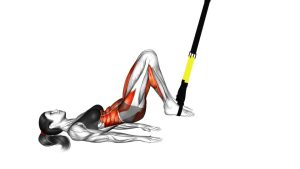
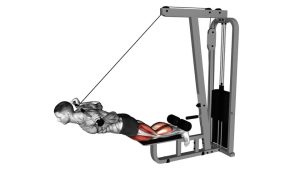
This exercise is highly effective for training the hamstrings, glutes, and deep core stabilizers because the straps create instability. The goal is not speed. The goal is to keep the hips elevated, control the alternating leg action, and prevent the pelvis from dropping or rotating. Each repetition should feel smooth, strong, and deliberate.
Quick Overview
| Body Part | Hamstrings |
|---|---|
| Primary Muscle | Hamstrings |
| Secondary Muscle | Glutes, calves, core, lower back stabilizers |
| Equipment | Suspension trainer / TRX-style straps |
| Difficulty | Intermediate to advanced |
Sets & Reps (By Goal)
- Strength and control: 3–4 sets × 8–12 alternating reps per side, resting 60–90 seconds.
- Hamstring endurance: 2–3 sets × 12–20 alternating reps per side with a smooth rhythm.
- Athletic stability: 3–5 sets × 20–30 seconds of controlled alternating reps.
- Beginner progression: 2–3 sets × 6–8 reps per side with short range and hips lifted only as high as you can control.
Progression rule: First improve hip stability and smooth switching. Then increase reps, range of motion, or time under tension. Do not progress by rushing the movement.
Setup / Starting Position
- Adjust the straps: Set the suspension handles low enough so your heels can rest securely while you lie on your back.
- Lie supine: Position yourself on the floor with your back down, arms resting beside you for balance.
- Place heels in the straps: Keep both heels supported and legs extended forward.
- Brace your core: Lightly tighten your abs and keep your ribs controlled before lifting your hips.
- Lift into a bridge: Drive through your heels and raise your hips until your body forms a strong line from shoulders to knees.
Setup checkpoint: Your hips should be lifted, your pelvis should stay level, and the straps should hang evenly before the alternating runner motion begins.
Execution (Step-by-Step)
- Hold the bridge: Keep your hips elevated and press both heels gently down into the straps.
- Curl one heel in: Bend one knee and pull that heel toward your glutes while the opposite leg stays extended.
- Keep hips high: Do not let the pelvis drop as the working hamstring curls the strap inward.
- Switch legs smoothly: Extend the curled leg back out while the opposite heel begins to curl in.
- Continue alternating: Repeat the runner-style action with controlled rhythm and stable hips.
- Finish safely: Extend both legs, lower your hips with control, then remove your heels from the straps.
Pro Tips & Common Mistakes
- Drive through the heels: Heel pressure improves hamstring and glute engagement.
- Do not rush the runner pattern: Fast reps usually create strap swinging and reduce muscle control.
- Keep the hips level: Avoid twisting or rotating the pelvis during each leg switch.
- Avoid lower-back arching: Brace your core and keep your ribs down as the hips stay lifted.
- Use a smaller range if needed: Shorter curls are better than full-range reps with poor hip control.
- Control both legs: The extending leg should not collapse or drop; it should stay active and steady.
- Stop before form breaks: This exercise becomes much harder when the hamstrings fatigue.
FAQ
What muscles does the Suspended Hamstring Runner work?
It primarily works the hamstrings. It also trains the glutes, calves, core, and lower-back stabilizers because the hips must stay lifted while the legs alternate.
Is the Suspended Hamstring Runner good for athletes?
Yes. It is useful for athletes because it builds hamstring strength, hip control, posterior-chain coordination, and core stability in an alternating pattern similar to running mechanics.
Why do my hips drop during the movement?
Hip dropping usually means the hamstrings or glutes are fatigued, the range is too large, or the movement is too fast. Reduce the range, slow down, and focus on keeping the bridge position stable.
Is this exercise harder than a normal suspension hamstring curl?
Yes. The runner variation is usually harder because one leg curls while the other extends, creating more instability and a stronger anti-rotation challenge for the hips and core.
Can beginners do the Suspended Hamstring Runner?
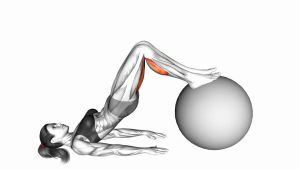
Beginners should first master floor glute bridges, stability ball hamstring curls, and basic suspended hamstring curls. Once they can keep the hips stable, they can progress to the runner version with short, controlled reps.
Recommended Equipment
- Suspension Trainer — the main tool needed for suspended hamstring runners and suspension leg curls.
- TRX-Style Suspension Straps — adjustable straps for hamstring curls, rows, presses, and full-body stability training.
- Thick Exercise Mat — adds comfort and support for the back, shoulders, and arms during supine exercises.
- Door Anchor for Suspension Trainer — useful for home setups when a secure overhead anchor is not available.
- Hamstring Compression Sleeve — optional support for warmth and comfort during lower-body training.
Choose equipment that stays secure and stable. Suspension exercises require a reliable anchor point and straps that do not slip during movement.