Lever Lying Leg Curl: Form, Muscles, Sets, Tips & FAQ
Learn the Lever Lying Leg Curl for stronger hamstrings with proper setup, controlled reps, common mistakes, training goals, FAQs, and equipment tips.
Lever Lying Leg Curl
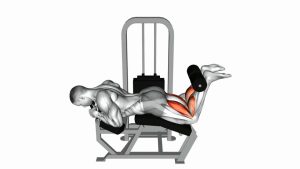
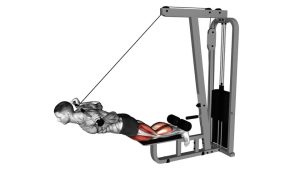
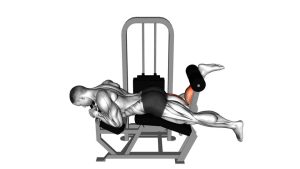
This exercise is best performed with a smooth tempo, firm hip contact on the pad, and a full but controlled range of motion. The hamstrings should create the movement, while the hips, torso, and lower back stay stable. A good rep feels controlled from the first inch of the curl to the final return.
Quick Overview
| Body Part | Hamstrings |
|---|---|
| Primary Muscle | Hamstrings: biceps femoris, semitendinosus, semimembranosus |
| Secondary Muscle | Gastrocnemius, popliteus, glutes for light stabilization |
| Equipment | Lever lying leg curl machine |
| Difficulty | Beginner to Intermediate |
Sets & Reps (By Goal)
- Muscle growth: 3–4 sets × 8–12 reps with a controlled 2–3 second lowering phase.
- Strength focus: 4–5 sets × 5–8 reps using heavier weight while keeping the hips down.
- Beginner control: 2–3 sets × 10–15 reps with light to moderate resistance.
- Hamstring endurance: 2–4 sets × 15–20 reps using smooth, continuous tension.
- Warm-up activation: 1–2 sets × 12–15 reps before deadlifts, squats, or leg training.
Progression rule: Add reps first, then increase weight gradually. Never progress the load if your hips lift or the eccentric phase becomes uncontrolled.
Setup / Starting Position
- Lie face down: Position your torso flat against the bench with your hips supported by the pad.
- Adjust the roller: Place the roller pad just above the heels, around the lower calf/Achilles area.
- Align the knees: Keep your knees near the machine’s pivot point so the lever moves naturally.
- Grip the handles: Hold the handles firmly to stabilize your upper body without pulling aggressively.
- Set your posture: Keep your ribs down, hips pressed into the pad, and neck neutral.
- Start with control: Begin with your legs extended but avoid snapping or hyperextending the knees.
Execution (Step-by-Step)
- Brace lightly: Keep your torso stable and your hips connected to the pad.
- Curl the weight up: Bend your knees and pull the roller toward your glutes using your hamstrings.
- Control the top: Squeeze the hamstrings briefly when the knees are fully bent.
- Avoid hip lift: Do not let your pelvis rise off the bench as the weight gets harder.
- Lower slowly: Extend your knees under control until your legs return near the starting position.
- Keep tension: Stop just before the weight stack fully rests if you want continuous hamstring tension.
- Repeat cleanly: Maintain the same tempo and body position on every rep.
Pro Tips & Common Mistakes
- Keep your hips down: Hip lift reduces hamstring isolation and may stress the lower back.
- Use full control: Do not kick the roller up or drop it down quickly.
- Squeeze at the top: A short pause improves hamstring engagement and rep quality.
- Control the eccentric: Lowering slowly makes the exercise more effective for hypertrophy.
- Do not overload too soon: Heavy weight is only useful when the motion stays strict.
- Keep the feet relaxed: Avoid excessive ankle tension unless you are intentionally changing calf involvement.
- Match the machine setup: Poor roller or knee alignment can make the movement feel awkward and reduce comfort.
- Avoid lower-back arching: Keep your ribs and hips stable throughout the set.
FAQ
What muscles does the Lever Lying Leg Curl work?
The main muscles are the hamstrings, including the biceps femoris, semitendinosus, and semimembranosus. The calves assist slightly because the gastrocnemius also crosses the knee joint.
Is the Lever Lying Leg Curl good for building hamstrings?
Yes. It is one of the most effective machine exercises for isolating the hamstrings because it directly trains knee flexion with stable body support.
Should I go heavy on lying leg curls?
You can use heavier loads, but only if your hips stay down and your reps remain controlled. If your body starts bouncing or your lower back arches, reduce the weight.
How low should I lower the weight?
Lower until your legs are almost straight while keeping tension in the hamstrings. Avoid snapping into knee extension or letting the weight stack slam down.
Why do my hips lift during lying leg curls?
Hips usually lift when the load is too heavy, the setup is poor, or the hamstrings fatigue. Reduce the weight and focus on keeping your pelvis pressed into the pad.
Can beginners do the Lever Lying Leg Curl?
Yes. It is beginner-friendly when the machine is adjusted correctly and the weight is light enough to allow smooth control.
Recommended Equipment
- Lying Leg Curl Machine — ideal for direct hamstring isolation in a home or commercial gym setup.
- Adjustable Ankle Weights — useful for light hamstring curl variations and accessory leg training.
- Thick Exercise Mat — helpful for floor-based hamstring curl alternatives and warm-up drills.
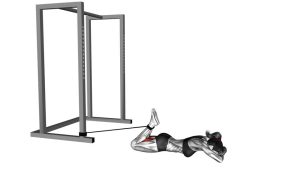
- Resistance Bands with Ankle Straps — good for banded lying leg curls when a machine is not available.
- Foam Roller for Legs — useful for hamstring, calf, and posterior-chain recovery after training.
Tip: Equipment should support better control, not heavier cheating. Choose tools that help you train the hamstrings with clean range and stable body position.