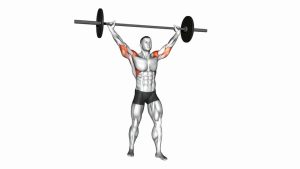
Kneeling Pike Push-Up on Bench: Form, Muscles Worked, Sets, Tips & FAQ
Learn how to do the Kneeling Pike Push-Up on Bench with proper form. Discover muscles worked, setup, step-by-step execution, sets and reps by goal, common mistakes, FAQs, and recommended equipment.
Kneeling Pike Push-Up on Bench
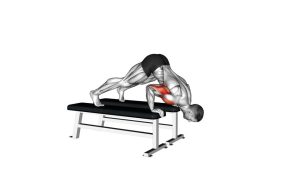
This exercise works best when you keep your hips high, your core braced, and your head traveling slightly forward and down between your hands as you lower. Unlike a standard push-up, the goal is not to make it chest-dominant. The body angle should create a more vertical pressing path so the shoulders do most of the work. A controlled range of motion and steady tempo will improve both muscle recruitment and joint comfort.
Quick Overview
| Body Part | Shoulders |
|---|---|
| Primary Muscle | Anterior deltoids |
| Secondary Muscle | Lateral deltoids, triceps, upper chest, core stabilizers |
| Equipment | Bench or sturdy elevated surface |
| Difficulty | Beginner to Intermediate |
Sets & Reps (By Goal)
- Technique practice: 2–3 sets × 6–8 reps with slow, controlled lowering
- Shoulder hypertrophy: 3–4 sets × 8–12 reps with 60–90 seconds of rest
- Strength progression: 4–5 sets × 4–6 reps with longer rest and strict form
- Warm-up activation: 2 sets × 5–8 easy reps before overhead or upper-body work
Progression rule: First improve control, depth, and rep quality. Then progress by lowering the bench height, slowing the eccentric, pausing at the bottom, or eventually moving to a floor pike push-up.
Setup / Starting Position
- Place your hands on the bench: Set them around shoulder width apart with fingers spread for stability.
- Kneel on the floor: Position your knees a comfortable distance from the bench.
- Lift the hips high: Form a pike shape so your torso angles downward toward the bench.
- Straighten the arms: Start with the elbows extended and shoulders stacked in a strong pressing position.
- Brace the core: Keep the ribs tucked and avoid sagging through the lower back.
- Set the head neutral: Look slightly down toward the bench rather than craning the neck upward.
Tip: The more you keep the hips elevated, the more the exercise behaves like a shoulder press instead of a standard push-up.
Execution (Step-by-Step)
- Start in the kneeling pike position: Hands on the bench, hips high, arms straight, and core tight.
- Lower under control: Bend the elbows and let the head move slightly forward and downward between the hands.
- Keep the hips up: Do not let the torso flatten into a regular incline push-up.
- Reach the bottom position: Lower until your head comes close to the bench or your shoulders feel fully loaded.
- Press back up: Drive through the palms and extend the elbows until you return to the starting pike position.
- Reset and repeat: Maintain alignment and repeat for the planned number of reps.
Pro Tips & Common Mistakes
- Keep the hips high: This is the simplest way to keep the movement shoulder-focused.
- Lower your head between the hands: Think of pressing like an overhead pattern, not a flat push-up.
- Use a controlled tempo: A slow eccentric improves shoulder loading and technique.
- Do not rush lockout: Press smoothly and maintain tension instead of bouncing through reps.
- Avoid dumping into the lower back: Keep the abs engaged and ribs tucked.
- Do not flare the elbows excessively: Let them track naturally with control.
- Adjust the elevation if needed: A higher bench makes the exercise easier and more joint-friendly.
FAQ
What muscles does the kneeling pike push-up on bench work?
It primarily targets the anterior deltoids, with strong support from the lateral deltoids, triceps, and core stabilizers. The upper chest may assist slightly, but the exercise is mostly shoulder-dominant.
Is this easier than a regular pike push-up?
Yes. Keeping the knees on the floor and placing the hands on a bench reduces the amount of bodyweight you have to press, making it a good regression for beginners.
How do I make this exercise harder?
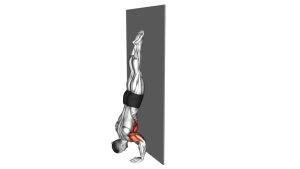
Lower the height of the bench, slow the lowering phase, add a pause at the bottom, or progress to a full floor pike push-up. Over time, this can help prepare you for wall-assisted handstand push-up work.
Should I feel this more in my shoulders or chest?
You should feel it mostly in the shoulders. If it feels like a standard chest push-up, your hips may be too low or your body angle may be too flat.
Can I use something other than a bench?
Yes. A sturdy box, step platform, padded ottoman, or other stable elevated surface can work, as long as it does not shift during the set.
Recommended Equipment
- Push-Up Bars — ergonomic handles can reduce wrist strain and improve pressing comfort
- Adjustable Weight Bench — ideal for setting a consistent hand elevation for this exercise and related pressing drills
- Resistance Bands Set — useful for shoulder warm-ups, activation, and accessory work like lateral raises or band pull-aparts
- Wooden Parallettes / Push-Up Bars — versatile for push-up variations, pike progressions, and calisthenics skill practice
- Exercise Mat — adds comfort under the knees and improves floor stability during setup
Choose stable equipment with enough grip and support to keep the exercise controlled. Push-up bars, benches, resistance bands, and wooden parallettes are all common current Amazon options in the relevant training categories.