Standing Abs Rotation Stretch: Form, Benefits, Sets, Tips & FAQ
Learn the Standing Abs Rotation Stretch for oblique mobility, core activation, and better torso rotation with safe form, cues, mistakes, FAQs, and gear.
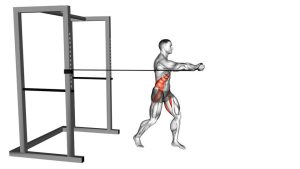
Standing Abs Rotation Stretch
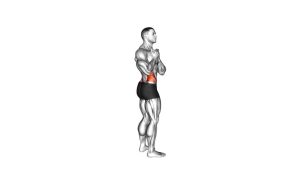
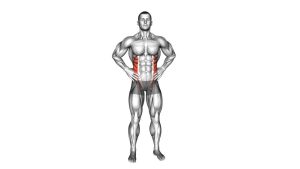
This exercise is best used as a dynamic stretch or warm-up drill. The movement should feel fluid, controlled, and comfortable through the waist and midsection. During each rotation, the arms move naturally with the torso, while the hips stay mostly steady. As a result, the stretch targets the rotational muscles of the core without turning into a fast, uncontrolled swing.
For better form, keep the feet grounded and allow the chest to turn gradually. Meanwhile, avoid forcing the lower back past its comfortable range. A clean rep should look smooth from the start, controlled at the end range, and relaxed on the return to center.
Quick Overview
| Body Part | Core |
|---|---|
| Primary Muscle | Obliques |
| Secondary Muscle | Rectus abdominis, transverse abdominis, spinal stabilizers, thoracic rotators |
| Equipment | No equipment required |
| Difficulty | Beginner |
Sets & Reps (By Goal)
- General warm-up: 1–2 sets × 10–15 rotations per side with a smooth rhythm.
- Core mobility: 2–3 sets × 12–20 total rotations using slow control and full breathing.
- Pre-workout activation: 1–2 sets × 8–12 rotations per side before abs, legs, or sports drills.
- Desk-break reset: 1 set × 8–10 rotations per side at an easy, relaxed pace.
- Cooldown stretch: 2 sets × 6–8 rotations per side with a brief pause at end range.
Progression rule: Add range only after the movement feels controlled. Then, increase reps or slow the tempo before trying larger rotations.
Setup / Starting Position
- Stand tall: Place your feet about shoulder-width apart with your weight balanced through both feet.
- Soften the knees: Keep a slight bend in the knees so the lower body stays relaxed and stable.
- Lengthen the spine: Lift through the crown of the head without arching the lower back.
- Relax the shoulders: Let the arms stay loose in front of the body or slightly away from the torso.
- Brace lightly: Create gentle abdominal tension, as if preparing for movement, not as if holding your breath.
- Keep the hips steady: Point the hips mostly forward before each rotation starts.
Setup matters because the stretch should come from controlled torso rotation. If the feet shift or the hips swing too much, the drill becomes less focused on the abs and obliques.
Execution (Step-by-Step)
- Start from center: Stand upright with your chest facing forward and your arms relaxed.
- Rotate the torso: Turn your upper body to one side while keeping the movement smooth and controlled.
- Let the arms follow: Allow the arms to move naturally with the rotation instead of pulling the body around.
- Keep the hips quiet: Let the hips turn only slightly if needed, but avoid spinning the whole lower body.
- Pause briefly: At the comfortable end range, feel a light stretch through the abs, obliques, and waist.
- Return to center: Bring the torso back under control without bouncing or snapping.
- Repeat opposite side: Rotate to the other side with the same tempo, range, and posture.
- Continue alternating: Move side to side while breathing calmly and staying tall.
Pro Tips & Common Mistakes
Pro Tips
- Move from the ribs: Think about turning your rib cage rather than yanking your shoulders around.
- Breathe through the twist: Exhale gently as you rotate, then inhale as you return toward center.
- Use a controlled rhythm: Smooth alternating reps are better than fast, loose swings.
- Keep the spine tall: Maintain height through the torso so the movement does not collapse into the lower back.
- Match both sides: Rotate with the same range and tempo to the left and right whenever possible.
- Start small: A shorter clean rotation is safer and more useful than a large forced twist.
Common Mistakes
- Swinging the arms too hard: Momentum can pull the spine beyond a comfortable range.
- Over-rotating the lower back: The movement should emphasize the torso and mid-back, not aggressive lumbar twisting.
- Locking the knees: Stiff legs can make the movement feel rigid and less natural.
- Shrugging the shoulders: Raised shoulders add neck tension and reduce the relaxed stretch quality.
- Holding the breath: Breath-holding increases tension and makes rotation feel restricted.
- Moving too fast: Speed often hides poor control and reduces the mobility benefit.
FAQ
What muscles does the Standing Abs Rotation Stretch work?
The main focus is the obliques, which help rotate and control the torso. In addition, the rectus abdominis, transverse abdominis, spinal stabilizers, and thoracic rotators assist the movement.
Is this exercise a stretch or a core exercise?
It can be both, depending on how you perform it. With a light rhythm, it works as a dynamic stretch. With slower control and better bracing, it also becomes a gentle core activation drill.
Should my hips move during the rotation?
Your hips may move slightly, but they should not dominate the exercise. Ideally, the torso rotates while the lower body stays stable enough to keep the stretch focused on the waist and core.
Can beginners do the Standing Abs Rotation Stretch?
Yes. This is a beginner-friendly movement because it uses bodyweight only and allows you to control the range. However, beginners should start slowly and avoid forcing the twist.
Is this good before an ab workout?
Yes. It is useful before ab training because it warms up the obliques, improves torso awareness, and prepares the core for rotational or anti-rotational work.
Why do I feel it in my lower back?
Lower-back discomfort usually means the rotation is too aggressive, too fast, or coming mostly from the lumbar spine. Reduce the range, slow the movement, and focus on turning the rib cage instead.
How often can I do this stretch?
Most people can perform it daily at a light intensity. Still, volume should stay comfortable, especially if your lower back or hips feel sensitive after twisting movements.
Recommended Equipment (Optional)
- Exercise Mat — useful for warm-ups, cooldowns, and combining this drill with floor-based core work.
- Resistance Bands Set — helpful for progressing into banded rotations, Pallof presses, and anti-rotation core training.
- Foam Roller — supports thoracic mobility work before or after standing rotation drills.
- Medicine Ball — useful for advanced rotational core exercises once basic control is solid.
- Yoga Blocks — helpful for mobility sessions, supported stretches, and posture-based warm-up routines.
Equipment is optional for this exercise. However, these tools can help build a complete core mobility routine around the Standing Abs Rotation Stretch.