Cable Lying Face Pull: Proper Form, Muscles Worked, Sets, Tips & FAQ
Learn how to do the Cable Lying Face Pull with proper form. Discover muscles worked, setup, step-by-step execution, sets and reps by goal, mistakes to avoid, FAQs, and recommended equipment.
Cable Lying Face Pull
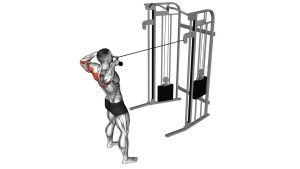
This exercise works best with moderate weight, strict tempo, and a strong focus on rear-delt and upper-back contraction. The lying setup makes it harder to cheat, so each rep should feel controlled from start to finish. You should notice tension through the back of the shoulders and between the shoulder blades, not just in the arms or wrists.
Quick Overview
| Body Part | Rear Shoulders |
|---|---|
| Primary Muscle | Rear deltoids |
| Secondary Muscle | Rhomboids, middle trapezius, external rotators, upper back stabilizers |
| Equipment | Cable machine, rope attachment, flat bench |
| Difficulty | Beginner to Intermediate |
Sets & Reps (By Goal)
- Muscle building: 3–4 sets × 10–15 reps with controlled tempo and a 1-second squeeze at the top
- Shoulder health / posture work: 2–4 sets × 12–20 reps using light-to-moderate weight and perfect form
- Warm-up / activation: 2–3 sets × 12–15 reps before pressing or upper-body sessions
- Technique focus: 2–3 sets × 8–12 reps with slower negatives and slightly lighter weight
Progression rule: Increase reps first, then add small amounts of weight only when you can keep your elbows high, maintain cable control, and fully squeeze the rear delts without using momentum.
Setup / Starting Position
- Position the bench: Place a flat bench under the cable path so you can lie down comfortably beneath the pulley.
- Attach the rope: Use a rope attachment and set the pulley so the line of pull matches the face-pull path.
- Lie flat: Lie on your back with your head supported, feet planted on the floor, and torso stable.
- Grip the rope: Take a neutral grip with palms facing each other and arms extended upward toward the cable.
- Set your shoulders: Keep the chest steady, neck neutral, and shoulders packed down before starting the first rep.
Tip: Set the bench so the cable tracks naturally toward your face. If the angle feels awkward, adjust the bench position before loading more weight.
Execution (Step-by-Step)
- Start with control: Begin with arms extended and tension already on the cable so the weight stack does not slam.
- Lead with the elbows: Pull the rope toward your face by driving the elbows out and back, not by curling the hands inward.
- Separate the rope ends: As the rope approaches your forehead, let your hands split slightly so your elbows stay wide.
- Squeeze at the top: Finish with the shoulder blades pulled together and the rear delts fully contracted.
- Lower slowly: Return the rope to the starting position under control without letting the shoulders collapse forward.
Pro Tips & Common Mistakes
- Keep elbows high: This helps bias the rear delts and upper back instead of turning the movement into a low row.
- Pull toward the upper face: Aim for the nose, eyes, or forehead area depending on your setup and comfort.
- Use moderate weight: Too much load usually shortens the range of motion and makes the arms dominate the exercise.
- Pause briefly at the top: A short squeeze improves mind-muscle connection and makes each rep more productive.
- Do not shrug: Keep the traps from taking over by keeping the shoulders away from the ears.
- Avoid neck movement: Do not jut the chin or lift the head to meet the rope.
- Control the lowering phase: The negative matters. Do not let the cable yank your arms back to the start.
FAQ
What muscles does the Cable Lying Face Pull work?
The main target is the rear deltoid. It also trains the rhomboids, middle traps, and smaller muscles that help stabilize and externally rotate the shoulder.
Is this better than a regular standing face pull?
It is not always better, but it is often stricter. Lying on a bench reduces body swing, which can make it easier to isolate the rear delts and upper back with cleaner form.
Where should I feel this exercise?
You should mainly feel it in the back of the shoulders and between the shoulder blades. If you only feel your forearms or biceps, lower the weight and focus on leading with the elbows.
Should I go heavy on Cable Lying Face Pulls?
Usually no. This movement works best with controlled reps and clean positioning. Moderate weight, full range of motion, and a strong squeeze usually outperform heavy, sloppy reps.
Can beginners use this exercise?
Yes. It is beginner-friendly as long as the setup is comfortable and the weight is kept light enough to maintain proper elbow position and shoulder control.
Recommended Equipment
- Rope Cable Attachment — the core handle for face-pull variations and one of the main product categories Amazon surfaces for this type of setup
- Adjustable Weight Bench — useful if you want a stable bench for lying cable work and other upper-body exercises
- Cable Pulley System — helpful for home-gym users who want cable-based rear-delt and upper-back movements
- Cable Attachment Set — gives you multiple handles for face pulls, rows, triceps work, and other cable exercises
- Resistance Bands Set — a simple backup tool for rear-delt activation and shoulder warm-up work when cables are not available
Tip: Prioritize a solid rope attachment and stable bench first. Those two items will cover most of what you need for this exercise.