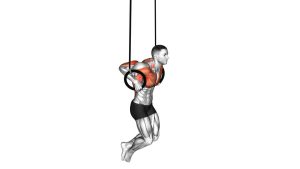
Ring Archer Dip (Rings): Chest-Biased Form, Sets & Reps, Tips, FAQ
Master the Ring Archer Dip to build chest strength and ring stability. Learn setup, step-by-step execution, sets by goal, common mistakes, FAQs, and recommended ring equipment.
Ring Archer Dip
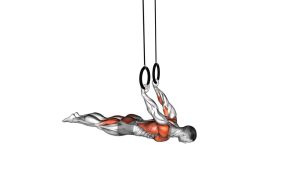
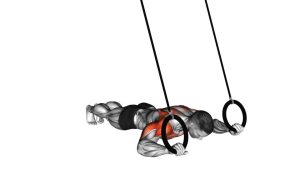
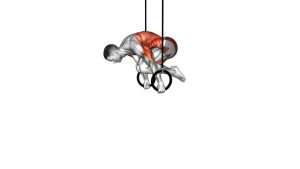
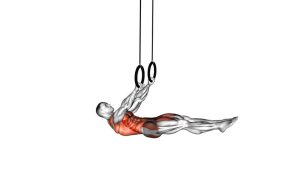
This exercise rewards control more than speed. If your rings swing, your shoulders shrug, or your elbows flare wildly, regress the movement. Your goal is a stable dip with a deliberate side-to-side load shift—not a twisty, wobbly drop.
Quick Overview
| Body Part | Chest |
|---|---|
| Primary Muscle | Pectoralis major (chest) |
| Secondary Muscle | Triceps, anterior deltoids, serratus anterior, rotator cuff (stability) |
| Equipment | Gymnastic rings + secure anchor (optional: rings straps marks / chalk) |
| Difficulty | Advanced (requires strong ring support + dip strength) |
Sets & Reps (By Goal)
- Strength (primary goal): 4–6 sets × 2–5 reps/side (90–180 sec rest)
- Hypertrophy (chest focus): 3–5 sets × 5–8 reps/side (75–120 sec rest)
- Skill & control (technique): 3–6 sets × 2–4 slow reps/side (3–5 sec down, 60–120 sec rest)
- Accessory after ring dips: 2–3 sets × 3–6 reps/side (smooth, stop 1–2 reps before form breaks)
Progression rule: Earn progress with stability. Add reps first, then add depth, then reduce assistance. If you lose shoulder position or the rings shake, keep the same progression level.
Setup / Starting Position
- Set ring height: Rings at a height where you can start in a stable top support without jumping excessively.
- Secure the anchor: Use a strong overhead point (rig, beam, pull-up bar rated for rings) and check straps.
- Top support: Arms straight, rings close to hips, wrists neutral. Turn rings slightly out if comfortable.
- Shoulders packed: Think “shoulders down, chest proud” (scapular depression). No shrugging.
- Body position: Slight forward lean for chest bias. Legs together (can cross ankles) and core braced.
Tip: If you can’t hold a 20–30 sec ring support with quiet rings, build that first before archer reps.
Execution (Step-by-Step)
- Choose the working side: Decide which arm will do most of the dip. Keep your torso slightly leaned forward.
- Begin the descent: Lower slowly. The working arm bends more; the opposite arm stays more extended as controlled assistance.
- Keep rings controlled: Don’t let the rings fly wide. Keep them tracking smoothly near your torso line.
- Hit a clean bottom: Stop at a depth you can own—no shoulder dumping forward, no painful pinch.
- Press up: Drive primarily through the working arm while the assist arm helps just enough to keep the rings steady.
- Lock out & reset: Return to top support, stabilize the rings, breathe, then repeat reps or switch sides.
Pro Tips & Common Mistakes
Pro Tips
- Make the rings quiet: Stability is the goal—slow down and control every centimeter.
- Use a slight forward lean: More chest; staying too upright often becomes triceps-dominant.
- Own the top support: Pause 1–2 seconds at lockout to “reset” your shoulders and rings.
- Train both sides evenly: Match reps per side and keep your depth consistent.
- Progress with assistance: Let the non-working arm help more at first; reduce assistance over time.
Common Mistakes
- Shrugging shoulders: Losing scapular depression increases stress and reduces control.
- Rings flying wide: Usually means you’re dropping too fast or losing tension.
- Shoulder dumping forward: Excessive anterior shoulder drift can cause pinching—limit depth and strengthen support.
- Twisting the torso: A small shift is fine, but large rotation usually means you’re escaping the load.
- Rushing reps: Speed hides instability. Use a slow descent and controlled press.
FAQ
Is the Ring Archer Dip mainly chest or triceps?
It can hit both, but with a slight forward lean and controlled ring path, it’s typically more chest-biased. Staying very upright often shifts emphasis toward the triceps.
What should I master before attempting this?
A strong ring support hold (20–30 seconds), clean ring dips (at least 6–10 controlled reps), and stable shoulders without shrugging or wobbling.
How do I regress the movement?
Use assisted archer dips (let the non-working arm help more), reduce depth, perform slow negatives, or switch to ring dips with pauses at the top and bottom.
Why do my rings shake a lot?
Ring shake usually comes from rushing, poor top-support stability, or weak scapular control. Slow the descent, add pauses, and build ring support + dip strength first.
How do I know if my depth is too deep?
If you feel a sharp pinch in the front of the shoulder, lose shoulder position, or can’t press smoothly, your depth is too deep. Reduce range until reps are clean and pain-free.
Recommended Equipment (Optional)
- Wooden Gymnastic Rings (Straps Included) — better grip and comfort than plastic; ideal for dips and support holds
- Heavy-Duty Ring Straps / Replacement Straps — useful if you want longer straps or upgraded buckles for quick height changes
- Doorway Pull-Up Bar (Ring Anchor Option) — convenient anchor point for home training (verify stability and doorframe strength)
- Liquid Chalk / Grip Aid — reduces slipping and helps keep the rings “quiet” during slow reps
- Resistance Bands Set (Assistance) — great for assisted dips or controlled progressions when strength is just short
Tip: Prioritize ring quality + anchor safety. Stable setup = better reps, better results, fewer shoulder issues.