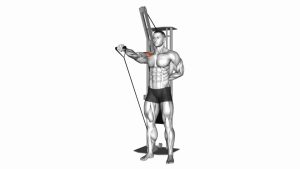
Shoulder Transverse Flexion: Muscles Worked, Form, Sets, Tips & FAQ
Learn Shoulder Transverse Flexion with proper form, muscle activation, setup cues, sets and reps by goal, common mistakes, FAQs, and recommended equipment for chest-focused horizontal adduction training.
Shoulder Transverse Flexion
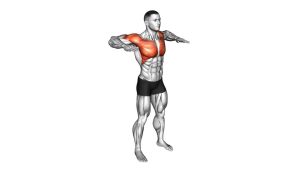
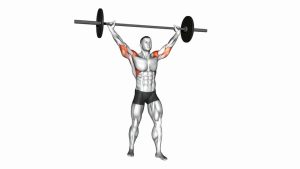
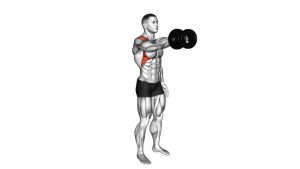
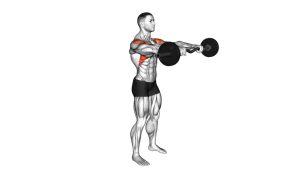
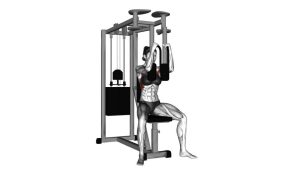
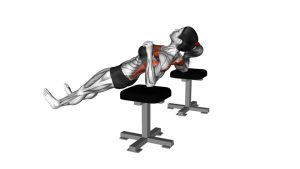
This movement pattern appears in exercises such as the cable chest fly, pec deck fly, and several resistance-band fly variations. The goal is to move through a smooth, controlled arc while keeping the chest lifted, shoulders down, and tension focused on the front of the upper body. When done correctly, Shoulder Transverse Flexion helps improve chest activation, shoulder control, and upper-body training quality.
Quick Overview
| Body Part | Chest |
|---|---|
| Primary Muscle | Pectoralis major |
| Secondary Muscle | Anterior deltoid, coracobrachialis |
| Equipment | None for learning the joint action; commonly trained with resistance bands, cables, pec deck, or dumbbells |
| Difficulty | Beginner to Intermediate |
Sets & Reps (By Goal)
- Movement learning / activation: 2–3 sets × 10–15 reps with light resistance and slow control
- Muscle growth: 3–4 sets × 8–15 reps with steady tempo and strong chest contraction
- Strength-focused accessory work: 3–4 sets × 6–10 reps using controlled form and full tension
- Warm-up / pre-lift chest priming: 1–2 sets × 12–20 reps with light bands or cables
Progression rule: Add reps first, then load. Keep the same smooth arc and chest tension before increasing resistance.
Setup / Starting Position
- Stand tall or set up on the machine: Keep your chest up, ribs stacked, and neck relaxed.
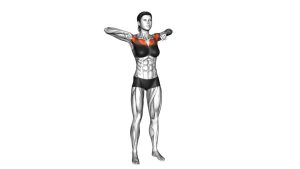
- Start with the arms open: Position the arms out to the sides at about shoulder height with a slight bend in the elbows.
- Set the shoulders: Keep them down and slightly back without over-arching the lower back.
- Brace lightly: Tighten the core just enough to stop the torso from swaying or leaning.
- Choose a safe range: Start from a stretch you can control without shoulder discomfort.
Tip: For beginners, cables or resistance bands usually make it easier to feel the chest working through the movement path.
Execution (Step-by-Step)
- Begin in the stretched position: Arms are open wide, elbows slightly bent, chest tall, and shoulders stable.
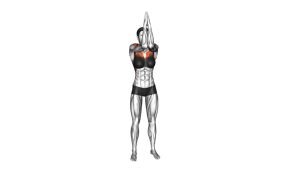
- Bring the arms forward: Move them inward across the body in a horizontal arc.
- Lead with the upper arms: Think about squeezing the chest to bring the arms together rather than pushing with the hands.
- Pause briefly at peak contraction: Stop when the chest is fully shortened without rounding the shoulders forward excessively.
- Return under control: Slowly open the arms back out until you feel a comfortable chest stretch.
Pro Tips & Common Mistakes
- Keep a soft elbow bend: Locking out the arms can shift stress away from the target muscles and make the motion less comfortable.
- Don’t turn it into a press: The arms should travel inward in a wide arc, not straight forward like a bench press.
- Control the stretch: Too much range can irritate the front of the shoulder if your mobility or stability is limited.
- Keep the chest lifted: Avoid slumping or letting the shoulders roll aggressively forward at the finish.
- Use tempo to improve tension: A 2–3 second lowering phase often improves chest engagement.
- Think squeeze, not swing: Momentum reduces the quality of the contraction.
FAQ
What is Shoulder Transverse Flexion?
It is the shoulder action of moving the arms from out to the sides toward the front of the body in a horizontal plane. In training, this is the same basic motion used in chest fly variations.
Which muscles work the most during this movement?
The pectoralis major does most of the work, with help from the anterior deltoid and smaller assisting muscles around the shoulder.
Is this the same as a chest fly?
It is the main joint action used in a chest fly. A chest fly is the loaded exercise, while Shoulder Transverse Flexion is the movement pattern itself.
Should I use dumbbells, cables, or bands?
All can work. Cables and bands usually provide a smooth learning curve and help many people feel the chest better throughout the motion.
Why do I feel this more in my shoulders than my chest?
That usually happens when the shoulders shrug, the load is too heavy, or the elbows are too straight. Reduce the weight and focus on bringing the upper arms together with chest tension.
Recommended Equipment
- Resistance Bands Set with Door Anchor — great for learning the horizontal adduction pattern and doing fly-style chest work at home
- Black Mountain Products Resistance Band Set — useful if you want a band kit with a door anchor and simple chest-training setup
- Mikolo Fitness Pulley System — helpful for cable-style fly and crossover training in a compact home gym
- Mikolo Wall Mount Cable Station — a more complete cable option for chest fly variations and adjustable line of pull
- FLYBIRD Adjustable Weight Bench — useful if you also want to train dumbbell fly and other chest-support variations
Choose the tool that best matches your training setup. Bands are excellent for beginners, cables offer the smoothest resistance path, and a bench adds more exercise variation.