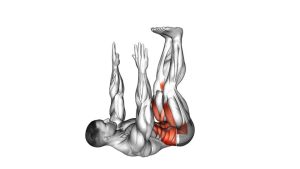
Flexion Leg Sit-Up (Straight-Arm): Form, Benefits, Sets, Tips & FAQ
Learn how to do the Flexion Leg Sit-Up (Straight-Arm) with proper form. Build stronger abs, improve core control, avoid mistakes, and follow sets by goal.
Flexion Leg Sit-Up (Straight-Arm)
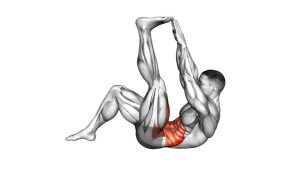
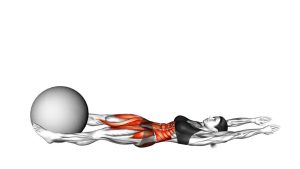
This exercise is best used when you already have solid basic sit-up control. Because the arms are extended and the legs stay straight, the body creates a longer lever. As a result, the abs must work harder to flex the spine and control the descent. Good form matters more than speed. Each repetition should feel smooth, controlled, and deliberate.
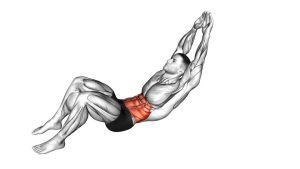
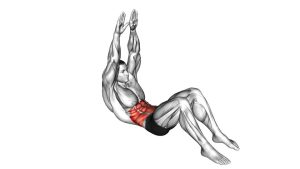
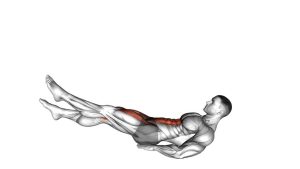
The movement starts from a fully lengthened position on the floor. Then, the torso curls upward while the arms travel forward toward the feet. At the top, the body reaches a seated position. After that, the spine lowers back down with control. This slow return is important because it trains the abs eccentrically and reduces momentum.
Quick Overview
| Body Part | Abs |
|---|---|
| Primary Muscle | Rectus abdominis |
| Secondary Muscle | Hip flexors, obliques, transverse abdominis, deep core stabilizers |
| Equipment | Bodyweight only; optional exercise mat |
| Difficulty | Intermediate to advanced |
Sets & Reps (By Goal)
- Core strength: 3–4 sets of 6–10 controlled reps with 60–90 seconds rest.
- Muscle endurance: 2–4 sets of 10–15 reps with a steady tempo and 45–75 seconds rest.
- Bodyweight abs training: 3 sets of 8–12 reps after easier core activation drills.
- Skill and control: 2–3 sets of 5–8 slow reps with a 2–3 second lowering phase.
- Finisher option: 1–2 sets near technical fatigue, stopping before the lower back takes over.
Progression rule: Add reps only when every repetition stays smooth. Do not progress by swinging faster. Instead, increase control, slow the lowering phase, or add a short pause at the top.
Setup / Starting Position
- Lie flat on your back: Place your body on the floor or on an exercise mat. Keep your legs extended straight in front of you.
- Reach your arms overhead: Extend both arms behind your head. Keep the elbows straight but not locked aggressively.
- Set your core: Brace lightly through the waist before moving. Think about pulling the ribs down toward the hips.
- Keep the legs long: Press the backs of the legs gently toward the floor without forcing the knees down.
- Relax your neck: Keep your chin slightly tucked. Avoid leading the movement by throwing the head forward.
- Prepare to move slowly: The first few inches are the hardest. Start with control rather than speed.
If your lower back arches strongly in the starting position, use a slightly easier variation. A bent-knee sit-up or straight-arm crunch may be a better starting point.
Execution (Step-by-Step)
- Brace before lifting: Tighten your abs gently and keep your ribs from flaring upward.
- Lift the head and shoulders: Begin by curling the upper back off the floor. Do not yank the neck forward.
- Reach the arms forward: Let the straight arms travel from overhead toward the feet as your torso rises.
- Continue curling upward: Move through the spine gradually. Avoid one sudden, stiff-body swing.
- Keep the legs grounded: Maintain straight legs on the floor as much as possible. Do not kick them upward to create momentum.
- Reach the seated position: Finish tall or slightly rounded at the top while keeping the abs engaged.
- Pause briefly: Hold for a short moment to remove bounce and improve control.
- Lower slowly: Reverse the movement with control. Let the lower back, mid-back, shoulders, and arms return to the floor in a smooth sequence.
- Reset each rep: Return to the long-body position before starting the next repetition.
Pro Tips & Common Mistakes
Pro Tips
- Use a slow start: The beginning of the movement should come from abdominal tension, not arm momentum.
- Reach long, not wild: Keep the arms straight, but avoid flinging them forward.
- Control the lowering phase: The descent builds strength. Do not drop back to the floor.
- Exhale as you rise: Breathing out can help the ribs come down and improve abdominal contraction.
- Keep reps clean: Stop the set once you need to swing, kick, or pull with the neck.
Common Mistakes
- Swinging the arms: This reduces core work and turns the exercise into a momentum drill.
- Lifting the legs: Kicking the legs up makes the sit-up easier but shifts the focus away from clean abdominal control.
- Pulling the neck forward: Leading with the head can create neck tension and poor spinal mechanics.
- Arching hard at the bottom: A big lower-back arch may increase discomfort and reduce core engagement.
- Rushing reps: Fast reps often hide weak control. Slower reps are usually more effective.
- Going beyond technical fatigue: Once form breaks, the lower back and hip flexors often dominate.
FAQ
Is the Flexion Leg Sit-Up (Straight-Arm) good for abs?
Yes. It is a strong abdominal exercise because the straight arms and straight legs create a long lever. This increases the challenge on the rectus abdominis, especially during the upward curl and controlled lowering phase.
Is this exercise beginner-friendly?
Not usually. Beginners may find it too demanding because the long-body position requires strong core control. A basic crunch, bent-knee sit-up, or dead bug is often a better starting option.
Should my legs stay on the floor?
Yes, the legs should stay straight and grounded as much as possible. If they lift slightly because of body proportions or flexibility, keep the movement controlled and avoid using the legs to swing upward.
Why do I feel this in my hip flexors?
Some hip flexor involvement is normal during sit-up variations. However, if the hip flexors dominate, slow down, exhale harder as you rise, and reduce the range. You can also practice easier core drills first.
Can this exercise hurt the lower back?
It can bother the lower back if you swing, arch hard, or lack enough abdominal control. Keep the reps slow. If discomfort appears, use a regression and build strength gradually.
How can I make the exercise easier?
Bend the knees, shorten the range of motion, perform a straight-arm crunch, or keep the arms reaching forward instead of overhead. These changes reduce the lever length and make the movement easier to control.
How can I make it harder?
Slow the lowering phase, pause at the top, pause halfway down, or hold a light weight only after your bodyweight reps are clean. Never add resistance before mastering control.
Recommended Equipment
- Thick Exercise Mat — supports your spine and tailbone during floor-based sit-up work.
- Non-Slip Yoga Mat — helps keep your body stable during controlled core movements.
- Core Sliders — useful for adding related core progressions such as body saws and slider pikes.
- Ab Mat — can support controlled spinal extension and flexion during some sit-up variations.
- Light Medicine Ball — optional progression tool once bodyweight form is strong and pain-free.
Choose equipment that improves comfort and control. Avoid adding weight until you can complete clean bodyweight repetitions without swinging or lower-back strain.