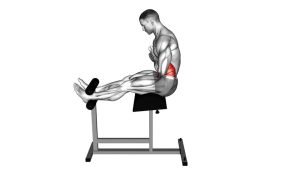
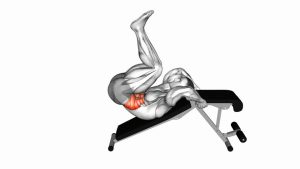
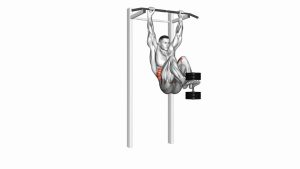
Tuck Crunch: Proper Form, Core Benefits, Sets, Tips & FAQ
Learn how to do the Tuck Crunch with proper form to strengthen your abs, improve core control, and avoid common mistakes.
Tuck Crunch
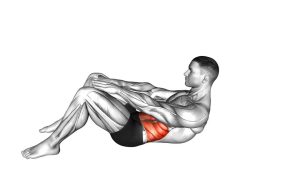
The Tuck Crunch is useful when you want a simple but effective abs exercise that does not require equipment. Because the knees stay bent and elevated, the core must work to stabilize the pelvis while the upper abs create the crunching motion. This makes the exercise more focused than a relaxed floor crunch and easier to control than many advanced leg-raise variations.
For best results, move slowly and keep the lower back gently pressed toward the floor. The goal is not to sit all the way up. Instead, aim to lift the shoulder blades, shorten the front of the torso, pause briefly, and return with control. When performed correctly, the movement should feel concentrated through the front of the abs, not through the hip flexors, lower back, or neck.
Quick Overview
| Body Part | Core |
|---|---|
| Primary Muscle | Rectus abdominis |
| Secondary Muscle | Obliques, transverse abdominis, hip flexors as stabilizers |
| Equipment | No equipment required; optional exercise mat |
| Difficulty | Beginner to intermediate |
Sets & Reps (By Goal)
- Beginner core control: 2–3 sets of 8–12 reps with a slow and steady tempo.
- Muscle endurance: 3–4 sets of 12–20 reps while keeping the legs still.
- Ab hypertrophy: 3–5 sets of 10–15 reps with a 1–2 second squeeze at the top.
- Warm-up activation: 1–2 sets of 8–10 reps before heavier core or lower-body training.
- Finisher option: 2–3 rounds of 20–30 seconds with strict form and short rest periods.
Progression rule: First improve control, then increase reps, then add a longer top hold. Avoid adding speed if it causes swinging, neck pulling, or loss of lower-back position.
Setup / Starting Position
- Lie on your back: Use a mat if needed so your spine and head feel supported on the floor.
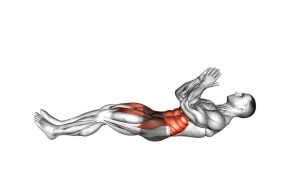
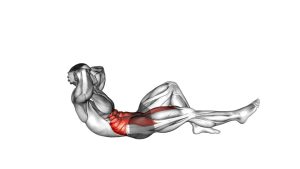
- Lift your legs: Bend your hips and knees so your thighs are roughly vertical and your knees are tucked above your hips.
- Set your lower back: Gently brace your abs and keep the lower back close to the floor. Do not force a hard pelvic tuck, but avoid letting the back arch.
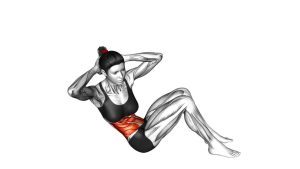
- Place your hands safely: Cross your arms over your chest or keep your fingertips lightly near the sides of your head. Do not pull on the neck.
- Prepare the crunch: Keep your chin slightly tucked, eyes looking upward, and ribs pulled down toward the pelvis.
Good setup matters. If the legs drift too far away, the hip flexors and lower back may take over. Keep the tuck compact enough to control the movement.
Execution (Step-by-Step)
- Brace before moving: Take a controlled breath, tighten your abs lightly, and keep your knees still in the tucked position.
- Curl the upper back: Lift your head, shoulders, and upper shoulder blades from the floor by bringing your ribs toward your pelvis.
- Keep the legs quiet: Do not kick, swing, or pull the knees toward your face. The legs should act as a stable position, not a momentum source.
- Squeeze the abs: Pause briefly at the top and feel the front of your core contract. Keep the neck relaxed.
- Lower with control: Slowly return your shoulders toward the floor while keeping the abs active and the lower back steady.
- Repeat clean reps: Start the next repetition only after you regain full control. Quality is more important than speed.
Pro Tips & Common Mistakes
Pro Tips
- Use a small controlled range: You only need to lift the shoulder blades high enough to create a strong abdominal contraction.
- Exhale as you crunch: Breathing out helps the ribs come down and makes the top position stronger.
- Keep your knees fixed: Stable legs make the abs work harder and reduce momentum.
- Pause at the top: A short squeeze improves control and prevents rushed repetitions.
- Control the lowering phase: The eccentric portion builds strength when you resist the return instead of dropping down.
Common Mistakes
- Pulling the neck: This can create strain and reduce abdominal focus. Keep the hands passive.
- Swinging the legs: Moving the knees turns the exercise into a momentum-based movement.
- Arching the lower back: If your back lifts away from the floor, shorten the range or bring the knees slightly closer.
- Crunching too fast: Speed usually reduces tension and makes the movement less effective.
- Sitting up too far: The Tuck Crunch is not a full sit-up. Keep the work in the abs by curling the upper spine.
FAQ
What muscles does the Tuck Crunch work?
The Tuck Crunch mainly works the rectus abdominis, which is the front abdominal muscle responsible for spinal flexion. The obliques and deeper core muscles help stabilize the torso, while the hip flexors assist lightly because the legs stay lifted.
Is the Tuck Crunch good for beginners?
Yes. It is beginner-friendly when performed slowly and with a small range of motion. Beginners should focus on keeping the lower back steady, the knees still, and the neck relaxed before adding more reps.
Should my feet touch the floor during the Tuck Crunch?
No. In this variation, the legs stay lifted and tucked. Keeping the feet off the floor increases core demand and helps create a more compact abdominal contraction.
Why do I feel the Tuck Crunch in my neck?
Neck tension usually happens when you pull the head forward, rush the movement, or lead with the chin. Keep your chin lightly tucked, support the head only if needed, and focus on lifting through the ribs instead of the neck.
How is the Tuck Crunch different from a regular crunch?
A regular crunch often keeps the feet on the floor, while the Tuck Crunch keeps the knees elevated. This tucked position increases core stabilization and can make the movement feel more concentrated through the abs.
Can I do Tuck Crunches every day?
You can perform light sets frequently if your recovery is good. However, for stronger training sessions, allow at least one day of recovery between hard ab workouts. Quality reps are more valuable than daily high-volume work.
Recommended Equipment (Optional)
- Exercise Mat — provides comfort and support for floor-based core exercises.
- Thick Yoga Mat — useful if your lower back or tailbone needs extra cushioning.
- Ab Workout Mat — helps support the spine during crunch variations and floor ab training.
- Adjustable Ankle Weights — optional advanced progression for experienced users who can keep perfect control.
- Resistance Bands Set — useful for pairing the Tuck Crunch with complete core and full-body workouts.
Tip: Equipment is optional for this exercise. Start with bodyweight first, then add tools only when your reps stay smooth, controlled, and pain-free.