Weighted Standing Twist: Form, Core Benefits, Sets & Tips
Learn the Weighted Standing Twist for stronger obliques, better core control, and rotational stability with step-by-step form, sets, tips, FAQs, and gear.
Weighted Standing Twist
The Weighted Standing Twist is useful for lifters who want to train the obliques without lying on the floor. It can fit well in warm-ups, core finishers, athletic conditioning sessions, and general abdominal workouts. Because the body stays upright, the exercise also challenges balance, posture, and control through the hips, trunk, shoulders, and upper back.
Although it is often called a waist twist, the goal is not to spin as far as possible. A better goal is to rotate with control while keeping the pelvis steady, the chest tall, and the weight close enough to manage. This makes the exercise more effective for the obliques and safer for the lower back.
Quick Overview
| Body Part | Core |
|---|---|
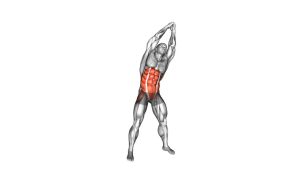
| Primary Muscle | Obliques |
| Secondary Muscle | Rectus abdominis, transverse abdominis, spinal stabilizers, shoulders, glutes |
| Equipment | Dumbbell, weight plate, kettlebell, or medicine ball |
| Difficulty | Beginner to intermediate, depending on load and speed |
Sets & Reps (By Goal)
- Beginner core control: 2–3 sets × 10–12 reps per side with a light weight.
- Oblique endurance: 3–4 sets × 15–20 reps per side with smooth, steady tempo.
- Core strength: 3–4 sets × 8–12 reps per side using a moderate weight and strict control.
- Warm-up activation: 1–2 sets × 8–10 reps per side with a very light load.
- Finisher option: 2–3 rounds of 30–45 seconds, keeping the movement clean.
Progression rule: Add control before adding load. First improve posture, tempo, and range. Then increase reps. Add weight only when your hips stay steady and your lower back feels comfortable.
Setup / Starting Position
- Stand tall: Place your feet about shoulder-width apart. Keep your knees slightly bent instead of locked.
- Hold the weight securely: Grip a dumbbell, plate, kettlebell, or medicine ball with both hands.
- Position the load: Hold the weight in front of your chest or slightly away from the torso, depending on your strength level.
- Brace your core: Pull the ribs down gently and tighten your midsection as if preparing for a light punch.
- Set your shoulders: Keep the shoulders relaxed and down. Avoid shrugging before you begin.
- Start neutral: Face forward, keep the spine tall, and let your eyes follow the chest during the rotation.
If you are new to the exercise, keep the weight close to your chest. Holding the weight farther away makes the movement harder because the lever becomes longer.
Execution (Step-by-Step)
- Brace before moving: Take a small breath in, tighten your core, and keep your posture tall.
- Rotate to one side: Turn your torso slowly while keeping the weight connected to your chest and shoulders.
- Control the hips: Allow only a small amount of hip movement. Do not let the pelvis spin aggressively.
- Reach your comfortable range: Stop when you feel your obliques working without lower-back strain.
- Return through center: Bring the weight back to the middle with control. Do not bounce or swing.
- Rotate to the other side: Repeat the same motion in the opposite direction while keeping the tempo even.
- Continue alternating: Move side to side for the target reps while keeping each twist smooth and deliberate.
Pro Tips & Common Mistakes
Pro Tips
- Keep the movement controlled: Slow reps build better oblique tension than fast, loose twisting.
- Use your core first: Let your trunk rotate the weight instead of pulling with the shoulders.
- Stay tall: Keep the chest lifted and avoid rounding forward as fatigue increases.
- Control the center position: Pause briefly at the middle if momentum starts taking over.
- Match both sides: Rotate equally left and right so one side does not dominate the movement.
- Use a lighter weight for higher reps: This exercise rewards precision more than heavy loading.
Common Mistakes
- Swinging the weight: This reduces oblique control and may stress the lower back.
- Over-rotating: Twisting too far can turn the exercise into a forced spinal movement.
- Locking the knees: Locked legs make the movement feel stiff and can reduce balance.
- Letting the hips spin: Too much hip rotation removes tension from the obliques.
- Using too much weight: Heavy loads often cause leaning, jerking, or shoulder dominance.
- Holding the breath: Breathe steadily so your core stays braced without excessive tension.
FAQ
What muscles does the Weighted Standing Twist work?
The Weighted Standing Twist mainly works the obliques. It also trains the rectus abdominis, transverse abdominis, spinal stabilizers, shoulders, and glutes because the body must stay balanced while the torso rotates.
Is the Weighted Standing Twist good for abs?
Yes. It is a good standing abs exercise, especially for the obliques and rotational control. However, it should be performed with control instead of speed. Clean reps create better core tension than fast swinging.
Should I use a dumbbell, plate, or medicine ball?
All three options work. A dumbbell is easy to hold, a plate gives a flat grip, and a medicine ball feels comfortable for higher-rep core work. Choose the tool that allows smooth movement and secure control.
How heavy should the weight be?
Start light. Most people do better with a manageable weight that allows 10–20 clean reps per side. If your arms swing, your hips spin, or your lower back feels strained, the weight is too heavy.
Can beginners do the Weighted Standing Twist?
Yes, beginners can do it with a light weight and a small range of motion. Beginners should focus on posture, controlled breathing, and smooth rotation before increasing speed or load.
Is this exercise safe for the lower back?
It can be safe when performed with a neutral spine, controlled range, and moderate load. Avoid forcing the twist or using momentum. If you have back pain or disc-related symptoms, get professional guidance before adding loaded rotation.
Recommended Equipment
- Hex Dumbbell Set — useful for controlled weighted standing twists and many other strength exercises.
- Weight Plate with Handles — easy to grip with both hands during standing core rotation drills.
- Medicine Ball — comfortable option for higher-rep oblique work and rotational core training.
- Adjustable Kettlebell — compact loading tool that can also be used for swings, carries, and core drills.
- Non-Slip Exercise Mat — helps provide stable footing during standing core exercises and home workouts.
Choose equipment that allows you to keep your movement controlled. For this exercise, a lighter tool with better form is usually more effective than a heavy tool with poor rotation mechanics.