45-Degree Bicycle Twisting Crunch: Form, Benefits, Sets, Tips & FAQ
Learn the 45-Degree Bicycle Twisting Crunch for stronger abs and obliques. Includes setup, step-by-step form, sets, mistakes, FAQs, and gear.
45-Degree Bicycle Twisting Crunch
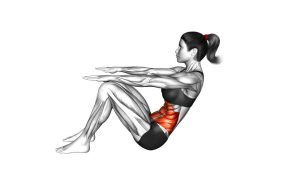
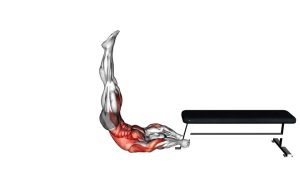
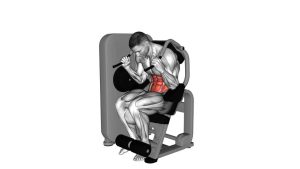
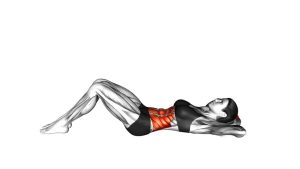
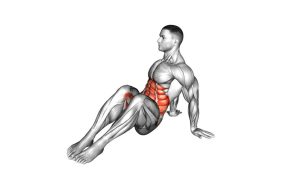
This exercise targets the rectus abdominis and obliques while also challenging hip-flexor control. The decline angle increases the demand compared with a regular floor bicycle crunch. Each repetition should feel like a controlled diagonal crunch, not a fast twisting motion. The goal is to rotate the upper body toward the opposite knee while keeping the lower body stable and the extended leg long.
Quick Overview
Sets & Reps (By Goal)
- Core endurance: 2–3 sets × 12–20 total reps with a steady rhythm.
- Oblique strength: 3–4 sets × 8–12 reps per side with a controlled pause at the top.
- Hypertrophy-focused abs training: 3–4 sets × 10–15 reps per side with slow lowering.
- Conditioning finisher: 2–3 rounds × 30–45 seconds while keeping clean form.
- Beginner progression: 2 sets × 6–8 reps per side using a smaller twist and slower tempo.
Progression rule: First improve control, then add reps. Do not increase speed until you can rotate smoothly without pulling the neck or swinging the legs.
Setup / Starting Position
- Set the bench angle: Adjust the decline bench to about 45 degrees. A lower angle is easier, while a steeper angle is harder.
- Secure your feet: Place your feet under the ankle pads so your lower body stays stable during the twisting crunch.
- Lie back with control: Keep your torso slightly active instead of fully relaxing into the bench.
- Place your hands lightly behind your head: Keep the elbows open. Your hands support the head, but they should not pull it forward.
- Extend both legs: Keep the legs long and aligned with the bench before starting the first twist.
- Brace your core: Pull the ribs down slightly and prepare to rotate from the torso, not only from the elbow.
A strong setup makes the movement safer. If the bench angle feels too intense, reduce the decline before adding more repetitions.
Execution (Step-by-Step)
- Start from a long position: Extend the legs and keep your upper back slightly active on the decline bench.
- Begin the diagonal crunch: Rotate one shoulder across the body while lifting the opposite knee toward the torso.
- Bring elbow toward opposite knee: Aim the shoulder and ribcage toward the knee. Do not simply fold the elbow inward.
- Keep the opposite leg extended: The straight leg should remain long and controlled to keep tension through the lower abs.
- Squeeze at the top: Pause briefly when the obliques are fully contracted.
- Return with control: Untwist the torso and extend the bent leg back to the starting position.
- Repeat on the other side: Alternate sides smoothly while maintaining the same range and tempo.
Pro Tips & Common Mistakes
Pro Tips
- Rotate from the ribs: Think about bringing your shoulder across your body rather than forcing the elbow to touch the knee.
- Use a slow return: The lowering phase builds control and prevents momentum from taking over.
- Keep the extended leg active: A long, controlled leg position increases lower-ab engagement.
- Exhale during the twist: Breathing out helps you brace and improves the quality of the crunch.
- Use a smaller range if needed: A clean short twist is better than a sloppy large twist.
Common Mistakes
- Pulling the neck: This can create strain and reduce abdominal focus.
- Swinging the legs: Momentum makes the movement easier but less effective.
- Twisting too fast: Fast reps often turn the exercise into a hip-flexor drill instead of a core exercise.
- Letting the elbows close: Keep the chest open so the torso performs the rotation.
- Losing bench control: Stay anchored and avoid sliding or bouncing on the decline bench.
FAQ
What muscles does the 45-Degree Bicycle Twisting Crunch work?
It mainly works the rectus abdominis and obliques. It also uses the hip flexors, transverse abdominis, and quadriceps to stabilize the legs during the bicycle motion.
Is this exercise better than a regular bicycle crunch?
It is harder than a regular floor bicycle crunch because the decline angle increases resistance. However, it is only better if you can control the twist without using momentum.
Should my elbow touch my knee?
It does not have to touch. Focus on rotating the shoulder and ribcage toward the opposite knee. Forcing contact often causes neck pulling or poor form.
Can beginners do this exercise?
Beginners can try a lower bench angle or perform the exercise on the floor first. Once the basic bicycle crunch feels controlled, the decline version becomes a good progression.
Why do I feel this in my hip flexors?
Some hip-flexor involvement is normal because the legs move during the exercise. If the hip flexors dominate, slow down, reduce the leg range, and focus more on curling the ribs toward the pelvis.
How do I make the 45-Degree Bicycle Twisting Crunch harder?
You can increase the decline angle, slow the tempo, add a short pause at the top, or perform more controlled reps. Avoid adding difficulty if your neck or lower back starts compensating.
Recommended Equipment
- Adjustable Decline Sit-Up Bench — the main tool for performing the exercise at different decline angles.
- Ab Mat — useful for floor-based bicycle crunch progressions before moving to a bench.
- Thick Exercise Mat — provides comfort for warm-up core drills and floor alternatives.
- Adjustable Ankle Weights — optional advanced progression for stronger athletes who already control the movement well.
- Core Sliders — helpful for alternative oblique and lower-ab movements such as mountain climbers and sliding knee tucks.
Tip: Choose equipment based on control, not ego. A stable decline bench and smooth tempo will give better results than rushing with added resistance.