Weighted Overhead Crunch on Stability Ball: Form, Sets, Tips & FAQ
Learn the weighted overhead crunch on stability ball for stronger abs, better core control, full-range crunch form, sets, mistakes, FAQs, and gear.
Weighted Overhead Crunch on Stability Ball
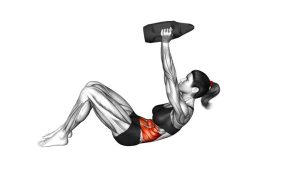
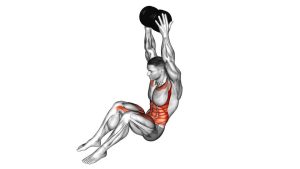
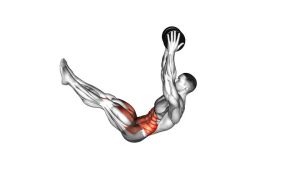
This exercise is best used when you already understand basic crunch mechanics and can keep your pelvis, ribs, and lower back stable. The stability ball allows the abs to lengthen more than they would on the floor, while the overhead weight increases resistance without needing a large range of motion. Because the load is held above the chest or slightly behind the head line, the movement becomes more demanding even with a light plate or dumbbell.
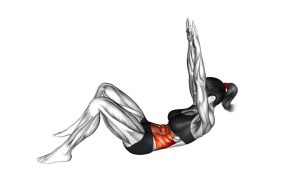
To perform it well, keep your feet planted, hips steady, ribs controlled, and arms fixed. Start each rep from a gentle stretched position over the ball. Then, curl the upper torso forward by contracting the abs. Pause briefly at the top before returning slowly. A clean rep should feel like a strong abdominal squeeze, not a hip-driven sit-up or a swinging motion.
Quick Overview
| Body Part | Abs |
|---|---|
| Primary Muscle | Rectus abdominis |
| Secondary Muscle | Obliques, transverse abdominis, hip stabilizers, deep core stabilizers |
| Equipment | Stability ball and weight plate or dumbbell |
| Difficulty | Intermediate to advanced |
Sets & Reps (By Goal)
- Core strength: 3–4 sets × 8–12 reps using a controlled tempo and moderate weight.
- Ab hypertrophy: 3–5 sets × 10–15 reps with a 1–2 second squeeze at the top.
- Core control: 2–4 sets × 8–10 slow reps with a 3-second lowering phase.
- Beginner progression: 2–3 sets × 8–12 reps with no weight until balance and form are solid.
- Finisher option: 2 sets × 12–20 reps using a light weight and constant tension.
Progression rule: Master bodyweight stability ball crunches first. After that, add a light weight overhead. Increase resistance only when your hips stay steady, your lower back feels supported, and your reps stay smooth.
Setup / Starting Position
- Choose the right ball size: Sit on the ball and make sure your knees can bend close to 90 degrees with your feet flat on the floor.
- Position your back: Walk your feet forward until your lower and mid-back are supported by the stability ball.
- Plant your feet: Keep both feet flat, about hip-width to shoulder-width apart, so your base feels stable.
- Set your hips: Keep the hips slightly lifted and steady. Avoid letting them drop toward the floor.
- Hold the weight: Grip a weight plate, dumbbell, or medicine ball with both hands.
- Reach overhead: Extend your arms above your chest or slightly behind the head line, depending on shoulder comfort.
- Brace lightly: Pull the ribs down, tighten the abs, and keep the neck neutral before starting the first rep.
Your starting position should feel stable and slightly stretched. The abs should lengthen over the ball, but the lower back should not feel compressed.
Execution (Step-by-Step)
- Begin from the stretched position: Let the upper back extend gently over the ball while keeping the weight controlled overhead.
- Brace the core: Tighten your abs before moving so the ball does not roll excessively.
- Curl the upper spine: Lift your head, shoulders, and upper back by contracting the abs. Think about bringing the ribs toward the pelvis.
- Keep the arms fixed: Do not swing the weight forward. The arms should act like a long lever, not a momentum tool.
- Squeeze at the top: Pause briefly when the abs are fully contracted. Keep the movement short and strict.
- Lower slowly: Return over the ball with control. Let the abs lengthen without collapsing your hips or arching aggressively.
- Reset and repeat: Rebuild tension before the next rep instead of bouncing out of the bottom position.
Pro Tips & Common Mistakes
Pro Tips
- Use a light weight first: The overhead position makes even small loads feel challenging.
- Move through the upper spine: Focus on curling the ribs toward the pelvis instead of sitting up from the hips.
- Control the lowering phase: The eccentric portion builds strength and keeps tension on the abs.
- Keep your feet active: Press through the floor to stop the ball from sliding or wobbling.
- Pause at peak contraction: A short squeeze makes the exercise more effective without needing heavier weight.
- Keep the neck relaxed: Look upward or slightly forward without pulling the chin aggressively into the chest.
Common Mistakes
- Swinging the weight: Momentum reduces abdominal tension and increases shoulder strain.
- Turning it into a sit-up: Coming too high shifts work toward the hip flexors.
- Dropping the hips: This changes the angle and may create lower-back discomfort.
- Using too much range: The goal is controlled spinal flexion, not maximum height.
- Arching hard at the bottom: A mild stretch is useful, but excessive extension can irritate the lower back.
- Holding the breath: Exhale as you crunch up, then inhale as you lower with control.
FAQ
What muscles does the weighted overhead crunch on stability ball work?
It primarily targets the rectus abdominis. The obliques, transverse abdominis, and hip stabilizers also help keep your torso and pelvis stable on the ball.
Is this exercise better than a regular crunch?
It can be more challenging because the stability ball allows a larger stretch and the overhead weight increases leverage. However, it is only better if you can control the movement without swinging or losing balance.
Should I use a dumbbell or a weight plate?
Both can work. A weight plate is usually easier to hold with two hands, while a dumbbell may feel more compact. Choose the option that lets you keep your arms stable and your shoulders comfortable.
How heavy should the weight be?
Start light. Many people only need a small plate or light dumbbell because the overhead position increases difficulty. Add weight only when you can perform every rep without swinging.
Why do I feel this in my hip flexors?
You may be sitting up too high or letting the hips move too much. Shorten the range, keep your hips steady, and focus on curling the ribs toward the pelvis.
Can beginners do this exercise?
Beginners should first master bodyweight stability ball crunches. Once balance, breathing, and spinal flexion are controlled, a light overhead weight can be added.
Is the weighted overhead crunch safe for the lower back?
It can be safe when performed with control and proper support from the ball. Avoid excessive back arching, heavy loading, or fast reps. Stop if you feel pinching or sharp discomfort.
Recommended Equipment
- Anti-Burst Stability Ball — essential for performing the movement with proper back support and balance.
- Rubber-Coated Weight Plate — easy to grip overhead and ideal for controlled weighted crunch variations.
- Adjustable Dumbbell — useful for gradually increasing resistance without needing multiple fixed dumbbells.
- Exercise Mat — helps protect the floor and improves comfort during setup and transitions.
- Stability Ball Pump — keeps the ball properly inflated for better support and safer training.
Tip: Choose a ball that matches your height and supports your body weight. A properly inflated ball makes this exercise safer, smoother, and more effective.