Barbell Curl: Proper Form, Muscles Worked, Sets, Tips & FAQ
Learn how to do the Barbell Curl with proper form to build stronger biceps and upper arms. Includes muscles worked, setup, step-by-step execution, sets and reps by goal, common mistakes, FAQs, and recommended equipment.
Barbell Curl
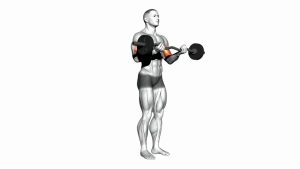
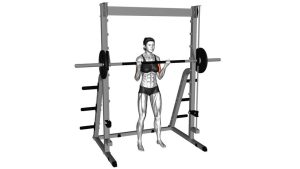
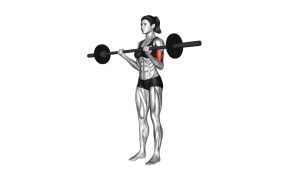
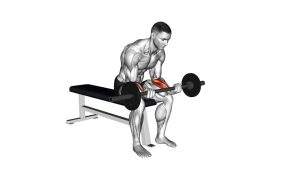
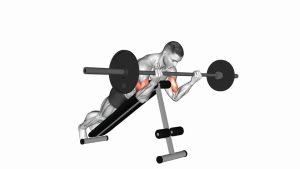
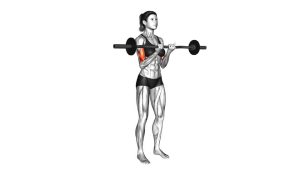
This exercise works best when you focus on strict form rather than momentum. In the video, the movement is performed in a controlled manner with the upper arms staying mostly fixed while the forearms move the bar upward. You should feel the work centered in the front of the upper arms, especially the biceps, instead of in the lower back, shoulders, or wrists.
Quick Overview
| Body Part | Biceps |
|---|---|
| Primary Muscle | Biceps brachii |
| Secondary Muscle | Brachialis, brachioradialis, forearm flexors |
| Equipment | Barbell (straight bar or fixed barbell) |
| Difficulty | Beginner |
Sets & Reps (By Goal)
- Muscle growth: 3–4 sets × 8–12 reps with controlled tempo and 60–90 sec rest
- Strength focus: 4–5 sets × 5–8 reps with heavier load and 90–120 sec rest
- Technique practice / beginners: 2–3 sets × 10–15 reps with light weight and perfect control
- Warm-up / activation: 1–2 sets × 12–20 easy reps using very light resistance
Progression rule: Increase the weight only when you can complete all reps without swinging the body, lifting the elbows forward, or losing control on the way down.
Setup / Starting Position
- Stand tall: Place your feet about hip-width to shoulder-width apart and brace your core.
- Grip the bar: Use an underhand grip with the hands around shoulder-width apart.
- Let the arms hang naturally: Start with the bar in front of the thighs and the elbows close to the torso.
- Set your posture: Keep the chest up, shoulders down, and wrists straight.
- Stay still: The torso should remain stable throughout the rep—no rocking or leaning back.
Tip: A moderate grip width usually feels best for most lifters and keeps stress balanced across the wrists and elbows.
Execution (Step-by-Step)
- Start from the bottom: Hold the bar at arm’s length with the biceps relaxed but the posture tight.
- Curl the bar upward: Bend at the elbows and lift the bar in a smooth arc toward the upper chest.
- Keep the elbows tucked: Avoid letting them drift too far forward as the bar rises.
- Squeeze at the top: Pause briefly when the biceps are fully contracted.
- Lower under control: Slowly return the bar to the starting position until the arms are nearly straight.
- Repeat cleanly: Maintain the same posture and tempo on every rep.
Pro Tips & Common Mistakes
- Use strict reps: Control both the upward and downward phase instead of rushing through them.
- Do not swing: Leaning back or using hip drive shifts tension away from the biceps.
- Keep wrists neutral: Avoid excessive wrist extension or curling the hands inward.
- Don’t let elbows travel too much: A small natural shift is fine, but big forward movement turns it into a different exercise.
- Train full range: Lower the bar with control for better muscle stimulus and joint control.
- Match the load to the goal: Moderate weights usually work best for clean form and arm growth.
FAQ
What muscles does the barbell curl work most?
The main muscle worked is the biceps brachii. It also involves the brachialis, brachioradialis, and smaller forearm muscles that help stabilize the grip and elbow motion.
Is the barbell curl good for beginners?
Yes. It is a beginner-friendly arm exercise when performed with a manageable load and strict form. Starting light helps you learn how to keep the elbows stable and avoid using momentum.
Should I fully extend my arms at the bottom?
You should lower the bar until the arms are nearly fully extended while staying in control. Avoid slamming into the bottom position or relaxing so much that the elbows lose stability.
Why do I feel barbell curls in my wrists or forearms?
This usually happens when the grip is too tight, the wrists are bent, or the bar is too heavy. Keep the wrists neutral, reduce the load if needed, and use a comfortable grip width.
Can I use a light barbell or no weight to practice form?
Absolutely. Using a very light bar or an unloaded barbell is a great way to learn the movement pattern, improve elbow control, and build confidence before adding more resistance.
Recommended Equipment
- Olympic Barbell — the main tool for performing traditional standing barbell curls
- Weight Plates Set — lets you scale the load gradually as your strength improves
- EZ Curl Bar — a useful alternative if a straight bar feels rough on the wrists
- Lifting Gloves — can improve comfort and reduce hand fatigue during higher-volume arm training
- Full-Length Gym Mirror — helpful for checking elbow position, torso movement, and rep consistency
Tip: If straight-bar curls bother your wrists, try an EZ curl bar or reduce the load while keeping your reps strict.