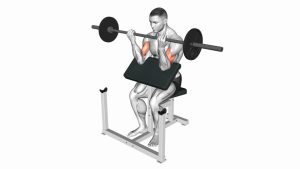
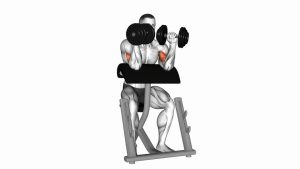
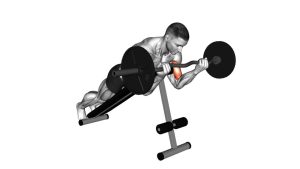
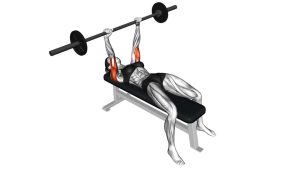
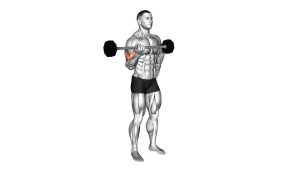
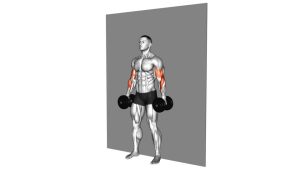
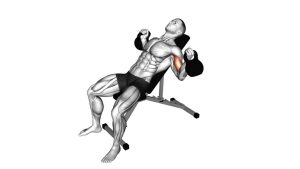
Barbell Prone Incline Curl: Form, Muscles Worked, Sets, Tips & FAQ
Learn how to do the Barbell Prone Incline Curl with strict form to isolate the biceps, reduce momentum, and build arm strength. Includes muscles worked, setup, sets and reps, mistakes, FAQ, and recommended equipment.
Barbell Prone Incline Curl
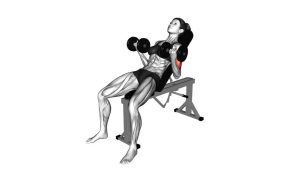
This variation is ideal for lifters who want to make their curls more honest. The incline bench support limits swinging, hip drive, and torso lean, so the biceps have to do more of the work. Use a manageable load, control the lowering phase, and avoid turning the rep into a shoulder-driven curl.
Quick Overview
| Body Part | Biceps |
|---|---|
| Primary Muscle | Biceps brachii |
| Secondary Muscle | Brachialis, brachioradialis, forearm flexors |
| Equipment | Barbell, weight plates, incline bench, collars |
| Difficulty | Intermediate (strict setup and control required) |
Sets & Reps (By Goal)
- Muscle growth: 3–4 sets × 8–12 reps, 60–90 sec rest
- Strict strength emphasis: 4–5 sets × 5–8 reps, 90–120 sec rest
- Technique and control: 2–3 sets × 10–15 reps, lighter load, 45–75 sec rest
- Finisher / pump work: 2–3 sets × 12–15 reps with slow eccentrics
Progression rule: Add reps before adding much more weight. This exercise works best when the reps stay strict, chest-supported, and controlled through the full range.
Setup / Starting Position
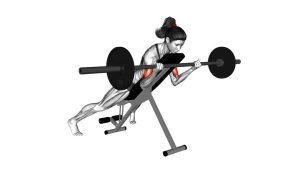
- Set the bench: Adjust an incline bench to a moderate incline, usually around 30–45 degrees.
- Lie prone: Position yourself face down with your chest fully supported on the pad and your feet stable on the floor.
- Grab the bar: Use a shoulder-width or slightly narrower underhand grip on the barbell.
- Let the arms hang: Start with your arms extended toward the floor and elbows pointing down naturally.
- Brace lightly: Keep your chest on the pad, neck neutral, and shoulders packed without shrugging.
Tip: Use a load you can lift without swinging your elbows forward or peeling your chest off the bench.
Execution (Step-by-Step)
- Start from the stretch: With arms extended, let the biceps lengthen under control without relaxing completely.
- Curl the bar upward: Bend at the elbows and bring the bar up in a smooth arc toward the upper chest area.
- Keep the upper body quiet: Do not swing, kip, or drive the chest off the bench to finish the rep.
- Squeeze at the top: Pause briefly when your elbows are fully flexed and the biceps are contracted.
- Lower slowly: Return the bar under control until the elbows are nearly straight again.
- Repeat with the same path: Every rep should look almost identical.
Pro Tips & Common Mistakes
- Keep the chest glued to the pad: Lifting off the bench reduces the strictness that makes this curl valuable.
- Use controlled eccentrics: Lowering the bar slowly increases biceps tension and improves consistency.
- Do not overload too early: This exercise usually requires less weight than standard standing curls.
- Watch elbow drift: Too much shoulder movement shifts work away from the biceps.
- Maintain wrist alignment: Avoid excessive wrist extension to reduce forearm and wrist irritation.
- Use full but comfortable range: Get a deep stretch, but do not slam into the bottom position.
FAQ
What makes the barbell prone incline curl different from a normal barbell curl?
The incline bench supports your torso, which reduces cheating and momentum. That makes the exercise more strict and often increases the biceps stimulus with less weight.
Which part of the biceps does this exercise emphasize?
It strongly trains the biceps brachii overall, especially when performed through a full stretch. Many lifters feel a strong emphasis from the lengthened position because of the incline setup.
Should I use a straight bar or an EZ curl bar?
A straight bar works well if your wrists and elbows feel comfortable. An EZ curl bar can be a friendlier option for some lifters who want a more natural wrist angle.
How heavy should I go?
Start lighter than you would on a standing curl. The goal is not ego lifting—it is strict biceps tension with controlled reps and minimal upper-body movement.
Can beginners use this exercise?
Yes, but many beginners do better by first learning basic curl mechanics. Once you can control the elbows and tempo, this becomes an excellent strict curl variation.
Recommended Equipment
- EZ Curl Bar — angled grips can feel more comfortable on the wrists during strict curling work
- Adjustable Incline Weight Bench — needed to set a stable chest-supported incline position
- Olympic Barbell Collars / Clamps — helps keep plates secure while curling on a bench
- Wrist Wraps — useful if heavy curls or straight-bar work irritate your wrists
- Olympic Weight Plates — lets you micro-progress your load while keeping form strict
Tip: Choose equipment that supports safe, repeatable setup. A solid bench and secure collars matter more than chasing the heaviest possible curl bar.