Barbell Drag Curl: Proper Form, Muscles Worked, Sets, Tips & FAQ
Learn how to do the Barbell Drag Curl with proper form to target the biceps more directly. Includes muscles worked, setup, step-by-step execution, sets by goal, common mistakes, FAQs, and recommended equipment.
Barbell Drag Curl
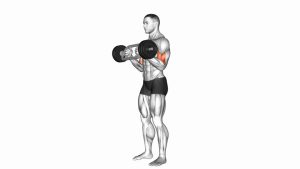
The drag curl works best when performed with control, posture, and a close bar path. The goal is not to move the heaviest weight possible, but to create focused tension in the upper arms. When done correctly, the rep feels smooth, deliberate, and highly controlled from start to finish.
Quick Overview
| Body Part | Biceps |
|---|---|
| Primary Muscle | Biceps brachii |
| Secondary Muscle | Brachialis, brachioradialis, forearm flexors |
| Equipment | Barbell |
| Difficulty | Beginner to Intermediate |
Sets & Reps (By Goal)
- Muscle growth: 3–4 sets × 8–12 reps with 60–90 seconds rest
- Strength-focused arm work: 4–5 sets × 5–8 reps with 90–120 seconds rest
- Technique and mind-muscle connection: 2–3 sets × 10–15 reps with light-to-moderate weight
- Finisher after back or arm training: 2–3 sets × 12–15 reps with slow tempo and strict form
Progression rule: Increase weight only when you can keep the bar close to your body, avoid torso swing, and maintain full control through both the lifting and lowering phases.
Setup / Starting Position
- Stand tall: Place your feet about hip-width apart and brace your core.
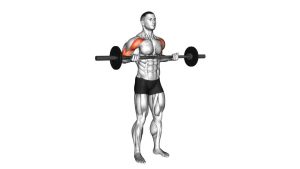
- Grip the barbell: Use a supinated grip with hands roughly shoulder-width apart.
- Start with the bar at thigh level: Let the bar rest lightly against the upper thighs.
- Set your shoulders: Keep the chest up, shoulders back, and neck neutral.
- Prepare for a close path: Think about dragging the bar straight up your torso instead of curling it outward.
Tip: A slightly lighter load than a standard barbell curl usually works better, because drag curls depend on strict mechanics rather than momentum.
Execution (Step-by-Step)
- Initiate the curl: Begin by bending your elbows while pulling them slightly backward.
- Drag the bar upward: Keep the barbell close to your body so it slides up along the torso.
- Keep the chest lifted: Stay upright and avoid leaning back to cheat the rep.
- Squeeze at the top: Raise the bar until it reaches the upper abdomen or lower chest area, then contract the biceps hard.
- Lower with control: Reverse the movement slowly along the same path until the arms are fully extended again.
Pro Tips & Common Mistakes
- Keep the bar close: The closer the bar stays to your torso, the more accurately you perform the drag curl.
- Do not swing: Using hip drive or leaning back takes tension off the biceps.
- Lead with the elbows: Let the elbows move slightly behind the body instead of pushing them forward.
- Use controlled tempo: A slow eccentric improves tension and helps prevent sloppy reps.
- Do not overload: Too much weight usually ruins the bar path and turns the movement into a cheat curl.
- Keep wrists neutral: Avoid excessive wrist curling to keep the stress on the biceps.
FAQ
What muscles does the barbell drag curl work?
The main target is the biceps brachii, with extra emphasis on the long head. The brachialis, brachioradialis, and forearms also assist during the curl.
How is a drag curl different from a regular barbell curl?
In a drag curl, the bar travels up the body while the elbows move slightly backward. In a regular curl, the bar usually arcs outward in front of the torso. The drag curl is generally stricter and more biceps-focused.
Should I use less weight for drag curls?
Yes. Most lifters use less weight than they would for a standard curl because the movement limits momentum and demands better control throughout the rep.
Are barbell drag curls good for arm growth?
Yes. They can be excellent for hypertrophy because they create strong biceps tension with reduced cheating. They work especially well as part of a balanced arm-training program.
Can beginners do the barbell drag curl?
Absolutely. Beginners can benefit from this exercise as long as they start light, learn the close bar path, and avoid swinging the torso to move the weight.
Recommended Equipment
- Olympic Barbell — the main tool for performing barbell drag curls with stable loading
- Weight Plates Set — lets you progressively increase resistance as your form and strength improve
- Weightlifting Gloves — can improve grip comfort and reduce hand irritation during repeated sets
- Barbell Collars — helps keep weight plates secure and balanced during each set
- Home Gym Mirror — useful for checking elbow path, posture, and bar position while learning the movement
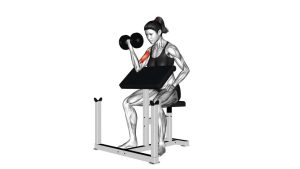
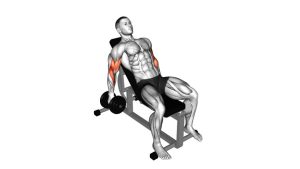
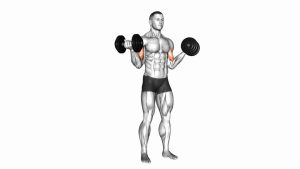
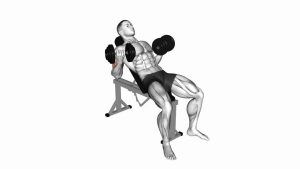
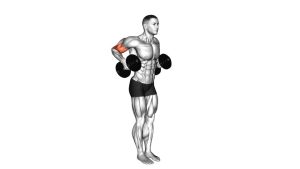
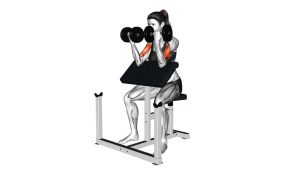
Tip: For better results, pair drag curls with other biceps exercises that train different angles, such as incline curls, hammer curls, or preacher curls.