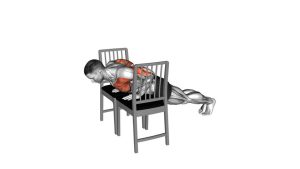
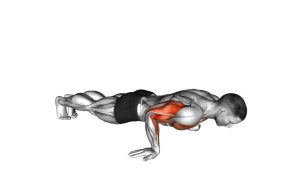
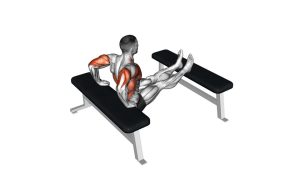
Bench Dip (Knees Bent): Proper Form, Sets, Muscles Worked & FAQ
Learn how to do the Bench Dip (Knees Bent) with proper form to target the triceps safely. Includes setup, execution, sets by goal, common mistakes, FAQs, and recommended equipment.
Bench Dip (Knees Bent)
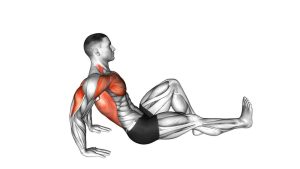
This variation is ideal for lifters who want a simple, accessible triceps movement using minimal equipment. It works best when the shoulders stay down, the elbows track mostly backward, and the lowering phase remains controlled. The goal is not to drop as deep as possible, but to move through a pain-free range while keeping tension on the triceps.
Quick Overview
| Body Part | Triceps |
|---|---|
| Primary Muscle | Triceps brachii |
| Secondary Muscle | Anterior deltoids, lower chest, scapular stabilizers |
| Equipment | Flat bench, sturdy platform, or chair |
| Difficulty | Beginner to Intermediate |
Sets & Reps (By Goal)
- Technique practice: 2–3 sets × 6–10 reps with slow control and 45–60 sec rest
- Muscle building: 3–4 sets × 8–15 reps with 60–90 sec rest
- Bodyweight endurance: 2–4 sets × 12–20 reps with 30–60 sec rest
- Beginner progression: 2–3 sets × 5–8 reps using a shorter range of motion if needed
Progression rule: First increase reps with clean form, then increase range of motion, then progress to straighter legs or added load only when your shoulders tolerate the movement well.
Setup / Starting Position
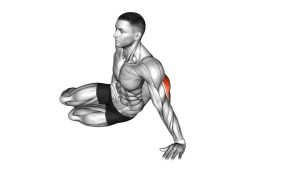
- Sit on the edge of a bench: Place your hands next to your hips with fingers pointing forward.
- Slide the hips off the bench: Support your bodyweight with your arms while keeping your back close to the bench.
- Bend your knees: Keep feet flat on the floor and knees comfortably bent to reduce overall loading.
- Set the shoulders: Pull them down and slightly back—avoid shrugging.
- Start tall at the top: Elbows extended, chest open, core lightly braced, eyes forward.
Tip: The closer your hips stay to the bench, the better leverage and shoulder positioning you’ll usually maintain.
Execution (Step-by-Step)
- Lower under control: Bend your elbows and let your hips travel straight down close to the bench.
- Keep elbows tracking backward: Avoid excessive elbow flare as you descend.
- Pause in a comfortable bottom position: Stop before shoulder discomfort or excessive forward shoulder glide.
- Press through your palms: Extend the elbows to raise your body back to the starting position.
- Finish tall: Return to the top without bouncing, then repeat with the same tempo.
Pro Tips & Common Mistakes
- Keep the bench close: Letting the body drift too far forward increases shoulder stress.
- Use a moderate range of motion: Going too deep often shifts stress away from the triceps and into the shoulders.
- Control the eccentric: A 2–3 second descent usually improves muscle tension and technique.
- Don’t lock the shoulders upward: Shrugging reduces stability and can irritate the neck and shoulders.
- Don’t rush the top: Finish each rep by actively extending the elbows instead of bouncing out of the bottom.
- Progress gradually: Bent-knee dips should come before straight-leg or weighted dip variations for most beginners.
FAQ
What muscles do bent-knee bench dips work?
The main target is the triceps brachii. The front shoulders and lower chest assist, while the upper back and scapular stabilizers help keep the movement controlled.
Are bent-knee bench dips easier than straight-leg bench dips?
Yes. Bent knees shorten the lever and reduce the amount of bodyweight you need to move, making this variation more beginner-friendly.
How low should I go?
Lower only as far as you can while keeping the movement smooth and pain-free. You do not need an extreme stretch at the bottom to make the exercise effective.
Why do I feel this in my shoulders more than my triceps?
That usually happens when you go too deep, let the shoulders roll forward, or move your hips too far away from the bench. Reduce depth and keep your body closer to the support surface.
Can beginners use this as a main triceps exercise?
Yes. It can be a solid beginner bodyweight option when done with controlled depth and good shoulder positioning. Pairing it with pressdowns, overhead extensions, or push-ups can create a balanced triceps routine.
Recommended Equipment
- Flat Weight Bench — provides a stable platform for bench dips and many other bodyweight or dumbbell movements
- Dip Belt — useful once bodyweight bench dips become too easy and you want progressive overload
- Resistance Band Set — great for warm-ups, triceps pump work, and shoulder preparation before dips
- Wrist Wraps — can improve wrist comfort and support during higher-volume pressing or dip work
- Exercise Mat — adds comfort and traction under the feet, especially on slippery surfaces
Tip: Start with bodyweight control first. Equipment should support better execution, not replace sound technique.