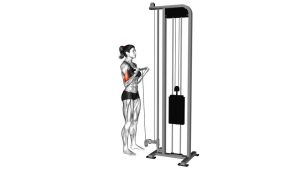
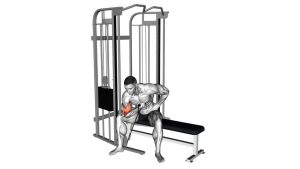
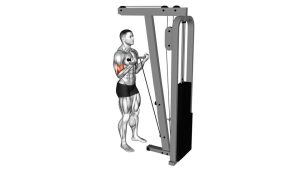
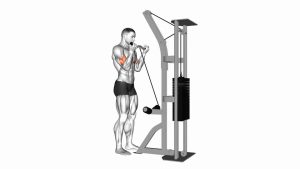
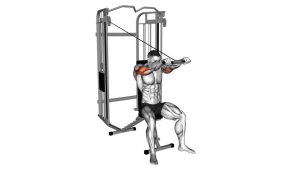
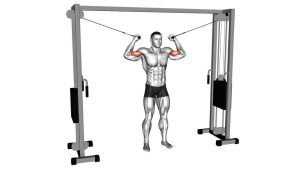
Cable Squatting Curl: Proper Form, Muscles Worked, Sets, Tips & FAQ
Learn how to do the Cable Squatting Curl with proper form to build stricter biceps tension and upper-arm control. Includes muscles worked, setup, execution, sets by goal, common mistakes, FAQ, and recommended equipment.
Cable Squatting Curl
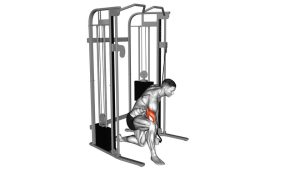
This variation works best when you use a controlled tempo and let the arms do the work instead of turning it into a full-body curl. Because the cable pulls from a low angle, your biceps stay loaded through nearly the entire rep, making this a great choice for strict arm training, pump work, or a finisher at the end of an upper-body session. A stable squat position is important, but the goal is still clean elbow flexion—not leg drive or torso rocking.
Quick Overview
| Body Part | Biceps |
|---|---|
| Primary Muscle | Biceps brachii |
| Secondary Muscle | Brachialis, brachioradialis, forearms, core stabilizers |
| Equipment | Cable machine with a low pulley and straight bar or short curl bar attachment |
| Difficulty | Beginner to Intermediate |
Sets & Reps (By Goal)
- Muscle growth: 3–4 sets × 8–12 reps with controlled tempo and 60–90 sec rest
- Arm pump / finisher: 2–3 sets × 12–20 reps with lighter weight and short rest
- Technique / strict form practice: 2–3 sets × 10–15 reps with very clean execution
- Cable isolation after compounds: 2–4 sets × 10–15 reps near the end of your workout
Progression rule: First improve rep quality, control, and range of motion. Then add reps or a small amount of weight while keeping the squat position stable and the elbows tucked.
Setup / Starting Position
- Set the pulley low: Attach a straight bar or short curl bar to the low cable.
- Take an underhand grip: Grip the handle with palms facing up at about shoulder width or slightly narrower.
- Step back slightly: Create enough cable tension so the weight does not fully unload at the bottom.
- Drop into a squat: Lower into a deep, comfortable squat with feet flat and chest lifted.
- Lock in your posture: Keep the torso steady, core braced, elbows near your sides, and arms extended.
Tip: If a very deep squat bothers your knees or ankles, use a slightly higher squat while still keeping the curl strict.
Execution (Step-by-Step)
- Start from the stretch: In the squat position, let the arms extend fully while keeping tension on the cable.
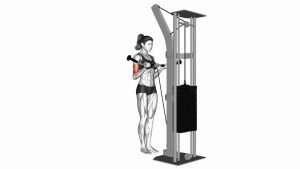
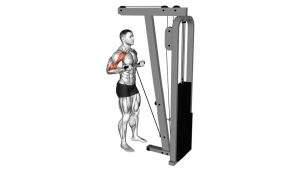
- Curl the handle upward: Bend at the elbows and bring the bar toward your upper abdomen or chest.
- Keep the elbows close: Avoid letting them drift far forward or flare out to the sides.
- Squeeze at the top: Pause briefly when the biceps are fully contracted.
- Lower under control: Slowly extend the elbows back to the starting position without dropping the weight.
- Repeat smoothly: Stay in the squat and maintain a strict, even rhythm for every rep.
Pro Tips & Common Mistakes
- Stay planted in the squat: The more stable your lower body is, the more your biceps have to work.
- Use full elbow extension: Don’t cut the bottom short unless joint comfort requires a slightly reduced range.
- Control the eccentric: The lowering phase is a major part of the muscle-building stimulus.
- Don’t lean back to cheat: Torso swing reduces isolation and shifts tension away from the arms.
- Keep wrists neutral: Avoid excessive wrist bending to keep the tension on the biceps and forearms.
- Don’t rush the top: A brief squeeze improves mind-muscle connection and makes lighter loads more effective.
- Pick the right attachment: A straight bar often feels more direct, while an EZ-style handle may feel easier on the wrists.
FAQ
What muscles does the Cable Squatting Curl work?
The main target is the biceps brachii. It also trains the brachialis, brachioradialis, and forearms, while the core and lower body help stabilize the squat position.
Why do this curl in a squat position?
The squat position reduces momentum and makes it harder to cheat with the torso. That helps keep the exercise stricter and places more consistent tension on the biceps.
Is the Cable Squatting Curl better than a regular standing cable curl?
Not always better, but it is often stricter. If your goal is more isolation and less body English, this variation can be an excellent option.
How deep should I squat during the exercise?
Go as low as you can while staying stable and comfortable. A deep squat is common, but you can use a slightly higher squat if your mobility or joints make the deeper position uncomfortable.
Should I go heavy on Cable Squatting Curls?
Usually this exercise works best with moderate or lighter loads and very clean technique. Going too heavy often causes standing up, swinging, or shortened range of motion.
Recommended Equipment
- Straight Cable Bar Attachment — ideal for low-pulley curls and direct biceps tension
- EZ Curl Cable Attachment — a wrist-friendlier option for cable curls
- Knee Sleeves — useful if you want a little extra support while holding the squat position
- Flat Training Shoes — can improve balance and stability during squatting cable variations
- Lifting Straps — optional for advanced sets if grip fatigue limits your biceps work
Tip: Use accessories to improve comfort and setup quality, but keep the focus on strict technique, smooth reps, and continuous cable tension.