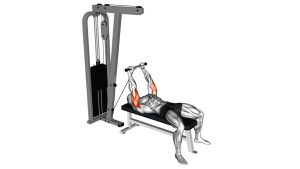
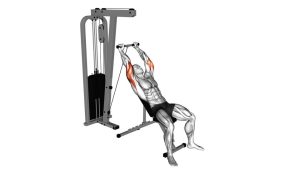
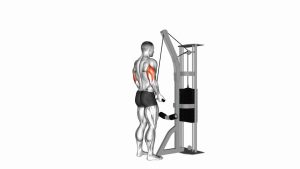
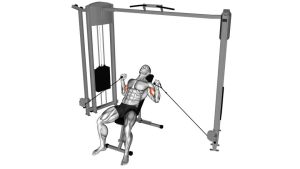
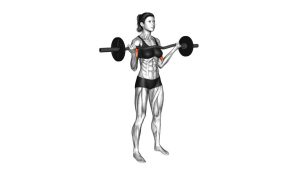
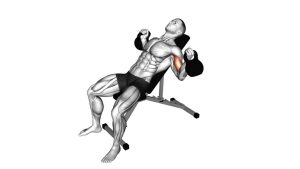
Cable Standing Inner Curl: Form, Muscles Worked, Sets, Tips & FAQ
Learn how to do the Cable Standing Inner Curl with proper form to target the biceps effectively. Includes muscles worked, setup, execution steps, sets and reps by goal, common mistakes, FAQs, and recommended equipment.
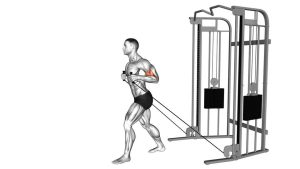
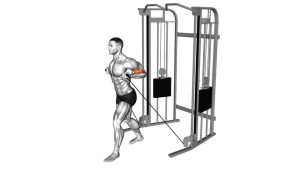
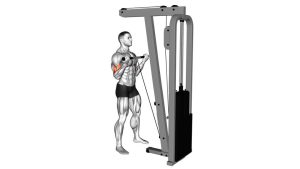
Cable Standing Inner Curl
This exercise works best when performed with strict form, a moderate tempo, and a controlled squeeze at the top. Since the cable keeps tension on the biceps even near the bottom, you do not need to use excessive weight. Focus on keeping the elbow stable, the chest tall, and the curl path smooth. Done correctly, the Cable Standing Inner Curl is excellent for building arm detail and improving mind-muscle connection.
Quick Overview
| Body Part | Biceps |
|---|---|
| Primary Muscle | Biceps brachii (short head emphasis) |
| Secondary Muscle | Brachialis, brachioradialis, forearm flexors |
| Equipment | Cable machine with single handle attachment |
| Difficulty | Beginner to Intermediate |
Sets & Reps (By Goal)
- Muscle growth: 3–4 sets × 8–15 reps per arm with controlled tempo and a strong top squeeze
- Technique practice: 2–3 sets × 10–12 reps using light weight and perfect elbow control
- Arm finisher: 2–3 sets × 12–20 reps with short rest and constant tension
- General strength support: 3–4 sets × 6–10 reps per arm with strict form and no body swing
Progression rule: Add reps before adding weight. Only increase load when you can keep the elbow stable, the wrist neutral, and the lowering phase controlled from start to finish.
Setup / Starting Position
- Set the pulley low: Attach a single handle to the low pulley of a cable machine.
- Stand tall: Face the machine or stand slightly angled based on comfort, with feet about shoulder-width apart.
- Grip the handle: Use an underhand grip and let the working arm extend down with slight bend at the elbow.
- Position the elbow: Keep it close to your side and slightly forward, which helps maintain tension on the biceps.
- Brace your body: Tighten the core, lift the chest, relax the shoulder, and keep the wrist straight.
Tip: Step back just enough so the cable stays tight at the bottom. You want tension before the curl starts, not slack.
Execution (Step-by-Step)
- Start under tension: Begin with the arm nearly extended and the cable pulling smoothly against the handle.
- Curl upward: Bend the elbow and bring the handle upward in a slightly inward path toward your body.
- Keep the upper arm quiet: Do not let the elbow swing wildly forward or drift away from your torso.
- Squeeze at the top: Pause briefly when the biceps are fully contracted, usually near lower chest or upper waist height depending on setup.
- Lower slowly: Return the handle under control until the arm is nearly straight while keeping tension on the cable.
- Repeat smoothly: Maintain the same path and tempo on each rep without leaning back or using momentum.
Pro Tips & Common Mistakes
- Keep tension at the bottom: Don’t let the stack rest between reps if hypertrophy is the goal.
- Lead with the biceps, not the shoulder: The upper arm should stay relatively fixed.
- Use a controlled eccentric: Lowering too fast wastes one of the biggest benefits of cable curls.
- Don’t overbend the wrist: A neutral wrist helps keep tension where you want it and reduces joint strain.
- Avoid leaning back: Using torso momentum shifts stress away from the biceps and reduces exercise quality.
- Train both sides evenly: Match reps and tempo on each arm to avoid strength imbalances.
FAQ
What muscle does the Cable Standing Inner Curl target most?
It primarily targets the biceps brachii, especially the short head when the elbow stays close and the curl path comes slightly inward. The brachialis and forearms also assist.
Is this better than a dumbbell curl for biceps?
It is not necessarily better in every case, but the cable provides more constant tension throughout the rep. That makes it a strong option for hypertrophy, control, and finishing work after heavier free-weight curls.
Should I do this one arm at a time?
Yes, this variation is commonly performed one arm at a time. Unilateral work helps you focus on the contraction, maintain better elbow position, and identify left-to-right strength differences.
How heavy should I go on Cable Standing Inner Curls?
Use a load that allows strict reps without torso swing or shoulder compensation. Most people get the best results using moderate weight with full control rather than chasing heavy, sloppy reps.
Where should I feel this exercise?
You should mainly feel it in the front of the upper arm, especially during the top half of the curl and the squeeze. If you mainly feel it in your wrist, shoulder, or lower back, your setup or weight likely needs adjustment.
Recommended Equipment
- Single D-Handle Cable Attachment — ideal for single-arm cable curls and better wrist positioning
- Cable Machine Attachments Set — useful for expanding your cable arm training options
- Weightlifting Grips — helpful if grip fatigue limits your biceps focus during higher-rep sets
- Adjustable Weight Bench — useful for pairing curls with other arm and upper-body movements in the same workout
- Arm Blaster for Biceps Training — helps reinforce strict elbow positioning during curl-focused sessions
Tip: You do not need many accessories to make this exercise effective. A cable machine, a comfortable handle, and disciplined technique are usually enough.