Band Close-Grip Biceps Curl: Form, Muscles Worked, Sets, Tips & FAQ
Learn how to perform the Band Close-Grip Biceps Curl with proper form. Discover muscles worked, setup, execution steps, sets and reps by goal, common mistakes, FAQs, and recommended equipment.
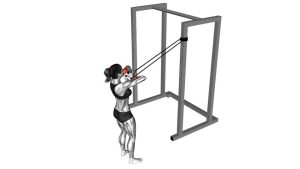
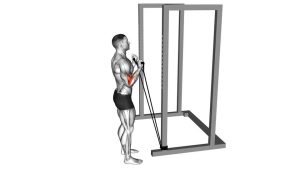
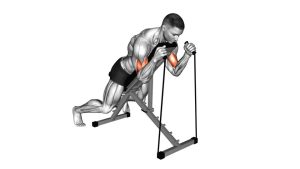
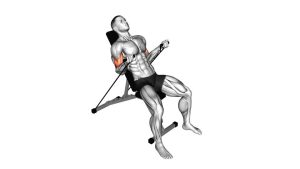
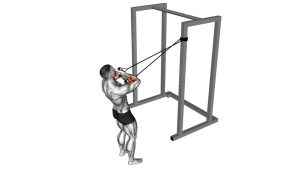
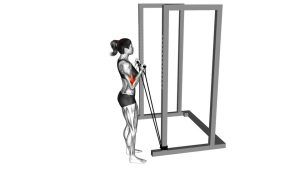
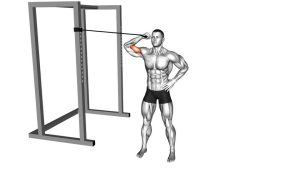
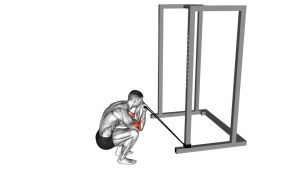
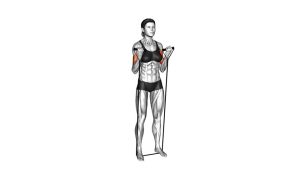
Band Close-Grip Biceps Curl
This variation works well for lifters who want an efficient home biceps exercise with minimal equipment. Because the grip is narrow and the elbows stay tucked, the movement encourages a strict curl pattern with very little body swing. The band also increases resistance as you approach the top, making the peak contraction especially effective.
Quick Overview
| Body Part | Biceps |
|---|---|
| Primary Muscle | Biceps brachii |
| Secondary Muscle | Brachialis, brachioradialis, forearms |
| Equipment | Resistance band with handles or a tube band |
| Difficulty | Beginner to Intermediate |
Sets & Reps (By Goal)
- Muscle growth: 3–4 sets × 8–15 reps with controlled tempo and 45–75 sec rest
- General arm training: 2–4 sets × 10–15 reps with smooth reps and full control
- Beginner home workouts: 2–3 sets × 10–12 reps using a lighter band and strict form
- Finisher / pump work: 2–3 sets × 15–20 reps with short 30–45 sec rest
Progression rule: First add reps with clean form, then move to a thicker band or increase total sets. Do not progress by swinging your torso or shortening the lowering phase.
Setup / Starting Position
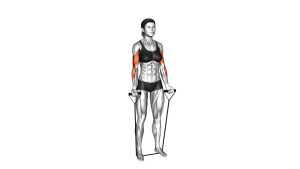
- Anchor the band: Stand with both feet on the middle of the resistance band so the setup feels even and stable.
- Take a close grip: Hold the handles or ends of the band with your hands positioned narrowly in front of your thighs.
- Stand tall: Keep your chest up, ribs stacked, and shoulders relaxed.
- Tuck the elbows: Keep your elbows close to your sides and point them straight down.
- Start with tension: Arms should be nearly straight at the bottom with a light stretch already in the band.
Tip: If the band feels too loose at the bottom, widen your stance slightly on the band or choose a heavier band so the curl starts with useful tension.
Execution (Step-by-Step)
- Brace and stay tall: Tighten your midsection lightly and keep your torso still.
- Curl upward: Bend at the elbows and bring the handles upward in a controlled path without letting the elbows drift forward.
- Keep the wrists neutral: Do not over-bend the wrists or let the hands flop backward.
- Squeeze at the top: Pause briefly when your forearms approach your upper arms and contract the biceps hard.
- Lower slowly: Return to the starting position with control until the arms are nearly straight again.
Pro Tips & Common Mistakes
- Keep the grip narrow: A close hand position helps keep the curl compact and focused.
- Don’t swing the torso: Momentum takes work away from the biceps.
- Pin the elbows in place: Letting them drift forward turns the movement into a shoulder-assisted curl.
- Control the eccentric: The lowering phase is where a lot of training value is built.
- Use the right band tension: Too much resistance leads to cheating; too little reduces the stimulus.
- Avoid shrugging: Keep your neck relaxed and shoulders down.
FAQ
What muscles does the Band Close-Grip Biceps Curl work?
The main target is the biceps brachii. The brachialis, brachioradialis, and forearm muscles also assist during the curl.
Is this exercise good for home workouts?
Yes. It is a practical home arm exercise because it needs very little space and only a resistance band. It also provides continuous tension without requiring dumbbells or a barbell.
Should I lock out my arms fully at the bottom?
You can straighten the arms almost fully, but avoid relaxing completely if that causes the band to go slack. Try to keep light tension so each rep starts smoothly.
How close should my grip be?
Close enough that your hands stay narrow and your elbows remain tucked comfortably, but not so close that your wrists feel cramped. Use a position that lets you curl without shoulder compensation.
Can beginners use this exercise?
Absolutely. Beginners should start with a lighter band, slower tempo, and strict technique before adding more resistance or extra volume.
Recommended Equipment
- Resistance Bands Set — useful for adjusting resistance levels as your biceps get stronger
- Resistance Band Set with Handles — ideal for comfortable gripping during standing curls
- Door Anchor for Resistance Bands — expands your band training options for rows, curls, and other upper-body work
- Exercise Mat — adds traction and comfort for home workouts
- Wrist Wraps — optional support if your wrists feel unstable during higher-tension band curls
Choose band tension that lets you complete all reps with smooth elbow flexion and no torso swing. Accessories are most useful when they improve control, not when they encourage heavier cheating.