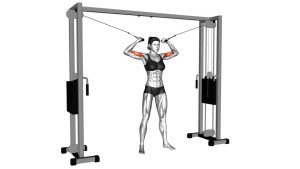
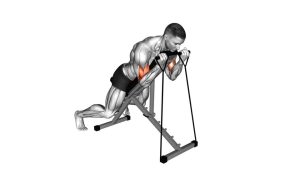
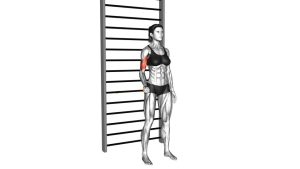
Band Horizontal Biceps Curl: Form, Sets, Tips & FAQ
Learn the Band Horizontal Biceps Curl to build biceps strength with constant resistance. Includes setup, step-by-step form, sets by goal, mistakes, FAQs, and recommended equipment.
Band Horizontal Biceps Curl
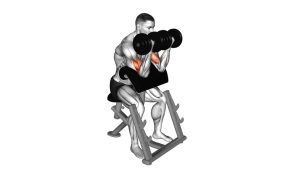
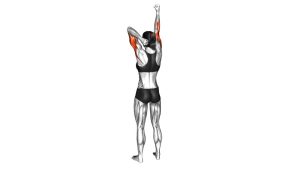
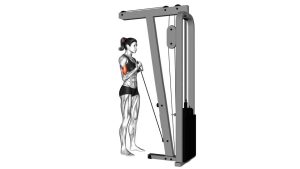
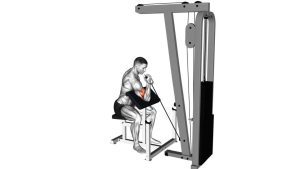
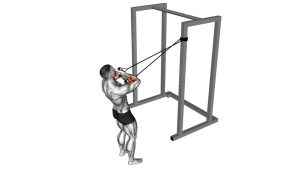
This exercise is excellent for training the biceps brachii, especially when you want a joint-friendly curl variation that can be done at home, in a gym, or during a band-only workout. The key is to keep the upper arms steady, pull the hands toward the shoulders, squeeze the biceps at the end range, and slowly return without letting the band snap forward.
Quick Overview
| Body Part | Biceps |
|---|---|
| Primary Muscle | Biceps brachii |
| Secondary Muscle | Brachialis, brachioradialis, forearms, anterior deltoids, core stabilizers |
| Equipment | Resistance band with handles, secure anchor point, optional door anchor |
| Difficulty | Beginner to Intermediate |
Sets & Reps (By Goal)
- Muscle activation / warm-up: 2 sets × 12–15 reps with light band tension.
- Biceps hypertrophy: 3–4 sets × 10–15 reps with a 1–2 second squeeze.
- Strength endurance: 3 sets × 15–20 reps using smooth, controlled tempo.
- Beginner technique practice: 2–3 sets × 8–12 reps, focusing on elbow position and control.
- Finisher / burnout: 1–2 sets × 20–30 reps with a lighter band and constant tension.
Progression rule: First improve control and full-range reps. Then increase band tension by stepping farther from the anchor or using a stronger band.
Setup / Starting Position
- Anchor the band: Attach the resistance band to a stable anchor point at about chest or shoulder height.
- Stand facing the anchor: Step back until the band has light tension while your arms are extended forward.
- Set your stance: Place your feet about hip-width to shoulder-width apart with knees slightly soft.
- Grip the handles: Hold the handles with palms facing up or slightly inward depending on comfort.
- Position your arms: Extend your arms forward around chest height while keeping the elbows slightly unlocked.
- Brace your body: Keep your ribs down, core engaged, chest tall, and shoulders relaxed away from your ears.
Your starting position should feel stable. The band should pull forward, but not so strongly that your shoulders round or your torso leans backward.
Execution (Step-by-Step)
- Start with tension: Keep the band lightly stretched with arms extended forward at chest height.
- Curl the handles in: Bend your elbows and pull the handles horizontally toward your shoulders.
- Keep elbows steady: Avoid dropping the elbows or letting them swing outward excessively.
- Squeeze the biceps: At the end of the curl, pause briefly and contract your biceps hard.
- Control the return: Slowly extend your arms forward while resisting the band.
- Maintain tension: Stop just before the band becomes slack, then begin the next rep.
Pro Tips & Common Mistakes
- Keep the elbows lifted: Dropping the elbows turns the exercise into a different curl pattern and reduces the horizontal tension benefit.
- Do not lean backward: If you need to lean to move the band, the resistance is too heavy.
- Control the eccentric: The lowering phase is where a lot of muscle-building tension happens.
- Avoid wrist curling: Keep the wrists straight so the biceps, not the forearms, do the main work.
- Use a strong anchor: Make sure the band is secure before every set.
- Squeeze, don’t jerk: Pause briefly at peak contraction instead of pulling with momentum.
- Keep shoulders relaxed: Avoid shrugging or rounding forward as the band stretches.
FAQ
What muscles does the Band Horizontal Biceps Curl work?
It primarily works the biceps brachii. It also involves the brachialis, brachioradialis, forearms, shoulders, and core as stabilizers.
Is this better than a regular band biceps curl?
It is not necessarily better, but it offers a different resistance angle. Because the band pulls horizontally, it creates strong tension when your hands move toward your shoulders and helps train biceps control at chest height.
Should my elbows stay high during the movement?
Yes. Keep the elbows close to shoulder or chest height. They do not need to be perfectly rigid, but they should not drop low or swing around during every rep.
Why do I feel this in my shoulders?
Some shoulder stabilization is normal because your arms are held forward. However, if the shoulders dominate, reduce the band tension, keep the shoulders down, and focus on bending only at the elbows.
Can beginners do this exercise?
Yes. Beginners can use a light band and shorter range of motion. The most important thing is to control the band and avoid leaning, shrugging, or snapping the arms forward.
How do I make the exercise harder?
Step farther from the anchor, use a stronger band, slow down the lowering phase, or add a 2–3 second squeeze at the peak contraction.
Recommended Equipment
- Resistance Bands with Handles — the main tool needed for horizontal biceps curls and other band arm exercises.
- Door Anchor for Resistance Bands — helps set the band at chest height safely for horizontal pulling exercises.
- Resistance Band Set with Door Anchor — useful for adjusting difficulty with different band tension levels.
- Exercise Gloves — improves grip comfort during higher-rep band curls.
- Wall Anchor for Resistance Bands — a more permanent anchor option for home gyms and consistent band training angles.
Tip: Always inspect resistance bands for cracks, tears, or weak spots before training. A secure anchor and controlled tempo are essential for safe band curls.