Band Standing Biceps Curl: Proper Form, Sets, Tips & FAQ
Learn how to do the Band Standing Biceps Curl with proper form, setup, execution steps, sets by goal, common mistakes, FAQs, and recommended Amazon equipment for better arm training.
Band Standing Biceps Curl
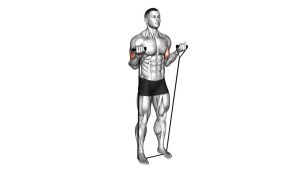
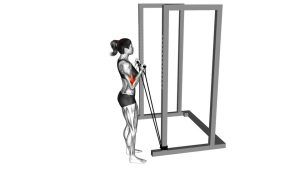
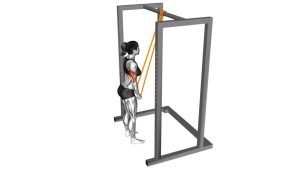
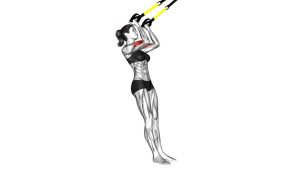
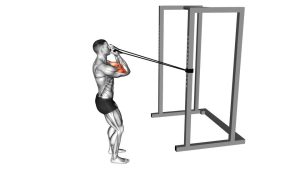
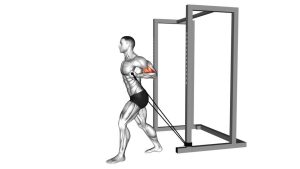
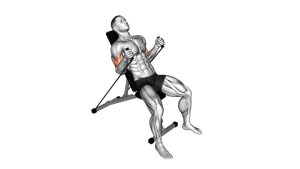
This exercise works best when you stay tall, keep your wrists neutral, and let the elbows act as the main pivot point. During a good rep, the forearms move upward while the upper arms stay mostly fixed. Because the band stretches as you lift, the top half of the curl becomes especially demanding, helping you build strong, controlled contractions through the biceps.
Quick Overview
| Body Part | Biceps |
|---|---|
| Primary Muscle | Biceps brachii |
| Secondary Muscle | Brachialis, brachioradialis, forearms |
| Equipment | Resistance band with handles or a long loop band |
| Difficulty | Beginner to intermediate |
Sets & Reps (By Goal)
- Muscle growth: 3–4 sets × 8–15 reps, 45–75 sec rest
- General toning / arm training: 2–4 sets × 10–20 reps, 30–60 sec rest
- Beginner practice: 2–3 sets × 8–12 reps with light-to-moderate tension
- Finisher / pump work: 2–3 sets × 15–25 reps with controlled tempo
Progression rule: First increase reps with clean form, then move to a thicker band or increase band tension by widening your stance on the band.
Setup / Starting Position
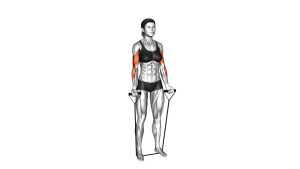
- Stand on the band: Place both feet on the middle of the resistance band about hip-width apart.
- Grip the handles: Hold the handles or band ends with a supinated grip so your palms face forward.
- Set posture: Stand tall with your chest up, shoulders relaxed, and core lightly braced.
- Lock in elbow position: Keep your elbows close to your sides and your upper arms vertical.
- Start under tension: Let your arms extend down fully without allowing the band to go completely slack.
Tip: If the band is too loose at the bottom, narrow-grip bands can feel easier. If you need more tension, widen your stance slightly or use a stronger band.
Execution (Step-by-Step)
- Brace and stay tall: Keep your torso still and avoid leaning back to start the curl.
- Curl upward: Bend your elbows and raise the handles toward shoulder height in a smooth arc.
- Keep elbows tucked: Let the elbows stay close to the body rather than drifting far forward.
- Squeeze at the top: Pause briefly when your biceps are fully contracted.
- Lower with control: Extend your arms slowly back to the starting position without letting the band snap downward.
Pro Tips & Common Mistakes
- Keep wrists straight: Don’t let the hands fold backward at the top.
- Control the eccentric: Lowering slowly increases tension and improves muscle stimulus.
- Don’t swing the torso: Momentum turns this into a body movement instead of a clean curl.
- Keep tension on the band: Avoid fully relaxing between reps if your goal is hypertrophy.
- Use the elbows as hinges: Too much shoulder movement reduces direct biceps emphasis.
- Match the band to the goal: Lighter bands work well for higher reps, while thicker bands fit lower-rep strength-focused work.
FAQ
What muscles does the Band Standing Biceps Curl work?
The main target is the biceps brachii. It also involves the brachialis, brachioradialis, and forearm muscles that help stabilize the grip and elbow flexion.
Is a resistance band curl effective compared with dumbbells?
Yes. Resistance bands can be very effective, especially for home training. They provide increasing tension as the band stretches, which makes the top half of the curl especially challenging.
How should I stand on the band for the right resistance?
Start with both feet centered on the band. To increase resistance, widen your stance slightly or use a stronger band. To reduce resistance, narrow your stance or switch to a lighter band.
Should I curl both arms at the same time or one at a time?
Both are useful. Bilateral curls are efficient and simple, while single-arm curls can help improve control, focus, and left-to-right balance.
What is the most common mistake in this exercise?
The most common mistake is using momentum by leaning back or swinging the band upward. That reduces biceps tension and makes the movement less strict.
Recommended Equipment (Optional)
- Resistance Bands Set — useful for scaling tension levels and training biceps, shoulders, back, and more
- Band Sets with Handles — comfortable for standing curls and easier to grip than bare tubing
- Door Anchor for Resistance Bands — expands your band training options for rows, press-downs, curls, and other arm work
- Workout Gloves — can improve comfort and grip if the band handles feel slippery or dig into the hands
- Exercise Mat — adds comfort and traction for home workouts and makes band training setups more stable
Tip: A good band setup starts with the right tension. Choose a resistance level that lets you keep your elbows in position and control the lowering phase from rep to rep.