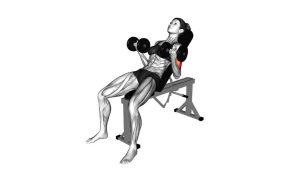
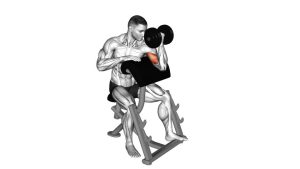
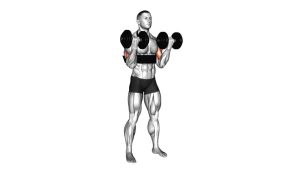
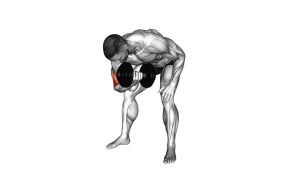
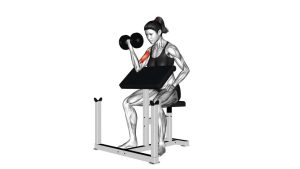
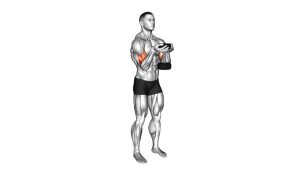
Negative Biceps Leg Concentration Curl: Form, Sets, Tips & FAQ
Learn the Negative Biceps Leg Concentration Curl to maximize biceps tension during the eccentric phase. Includes form tips, sets by goal, common mistakes, FAQs, and recommended equipment.
Negative Biceps Leg Concentration Curl
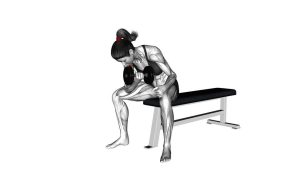
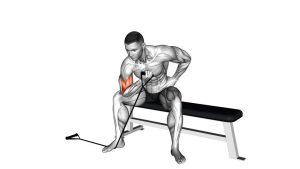
This variation works best when the setup stays locked in and the lowering phase is treated as the main event. You should feel strong tension through the biceps brachii as the arm extends, while the torso, shoulder, and wrist stay quiet. Because the negative portion is intentionally slow, even light-to-moderate loads can feel challenging when executed correctly.
Quick Overview
| Body Part | Biceps |
|---|---|
| Primary Muscle | Biceps brachii |
| Secondary Muscle | Brachialis, brachioradialis, forearm flexors |
| Equipment | Dumbbell, bench or seat, optional wrist support |
| Difficulty | Intermediate (strict form and slow eccentric control required) |
Sets & Reps (By Goal)
- Muscle growth: 3–4 sets × 8–12 reps per arm with a 3–5 second lowering phase
- Strength-focused arm training: 3–5 sets × 6–8 reps per arm with controlled negatives and 60–90 sec rest
- Mind-muscle connection / form work: 2–3 sets × 10–15 reps per arm using a lighter load and perfect tempo
- Finisher set: 1–2 sets × 8–10 reps per arm after standard curls, focusing only on clean eccentric control
Progression rule: Add load only after you can keep the elbow pinned, the wrist stable, and every rep controlled from top to bottom without rushing the negative.
Setup / Starting Position
- Sit on a bench or sturdy seat: Spread your legs enough to create room for the working arm.
- Brace the elbow: Press the back of your upper arm or elbow firmly against the inside of your thigh.
- Lean slightly forward: Keep the chest up and torso stable so the curl stays isolated.
- Grip the weight securely: Use a supinated grip (palm up) or a slightly turned-in grip if that feels better on your wrist.
- Set the top position: Start from the contracted position or assist the weight up so you can focus on the lowering phase.
Tip: The tighter your elbow stays anchored to the leg, the less chance you have of turning this into a loose swinging curl.
Execution (Step-by-Step)
- Begin at the top: Start with the elbow flexed and the biceps fully shortened.
- Lock in your posture: Keep your shoulder quiet, chest stable, and working arm fixed against the inner thigh.
- Lower slowly: Extend the elbow under control over 3–6 seconds while keeping tension on the biceps.
- Reach the bottom with control: Stop just before you lose tension or let the shoulder roll forward.
- Reset for the next rep: Curl the weight back up carefully or use light assistance if you are emphasizing only the eccentric phase.
Pro Tips & Common Mistakes
- Own the negative: The whole value of this variation comes from a slow, tension-filled descent.
- Keep the elbow glued in place: Elbow drift reduces isolation and shifts work away from the biceps.
- Use less weight than you think: A slower eccentric makes moderate loads feel much heavier.
- Do not drop into full relaxation: Stay engaged at the bottom instead of letting the dumbbell yank the arm straight.
- Keep the wrist neutral: Avoid excessive wrist curling to keep tension where you want it.
- Do not twist the torso: Body English defeats the point of a strict concentration curl.
- Best placement in a workout: Use it after heavier curls or as a biceps finisher for extra hypertrophy stimulus.
FAQ
What makes this different from a normal concentration curl?
The biggest difference is the emphasis on the eccentric phase. Instead of thinking only about lifting the weight, you focus on lowering it slowly and keeping the biceps loaded for longer.
Should I lift the weight up normally or assist the top position?
Both can work. If your goal is pure eccentric emphasis, you can lightly assist the weight into the top position and then control the lowering phase. If you want a more complete curl, perform both phases under control and make the negative slower than the lift.
How slow should the lowering phase be?
A good target is 3–6 seconds down. The right tempo is slow enough to keep constant tension, but not so slow that you lose posture or grip.
Is this exercise better for size or strength?
It is most commonly used for hypertrophy, strict isolation, and improved mind-muscle connection. It can still support strength development, but its biggest value is quality biceps tension.
What are the most common mistakes?
The main mistakes are using too much weight, dropping the negative too fast, letting the elbow move off the thigh, and swinging the torso to help the rep.
Recommended Equipment
- Adjustable Dumbbell — ideal for gradually increasing load without needing a full rack of weights
- Rubber Hex Dumbbell Set — simple, durable option for strict curls and other upper-arm movements
- Adjustable Weight Bench — useful as a stable seat and versatile support for a complete arm-training setup
- Lifting Wrist Wraps — optional support if your wrists fatigue before your biceps do
- Lifting Straps — optional grip aid for lifters who want to reduce grip limitation during slow eccentrics
Tip: For this exercise, the best investment is usually a solid dumbbell and a stable bench. Strict setup matters more than using heavy weight.