Dumbbell High Curl: Form, Muscles Worked, Sets, Tips & FAQ
Learn how to do the Dumbbell High Curl with proper form to target the biceps through a strong peak contraction. Includes muscles worked, setup, step-by-step execution, sets and reps by goal, common mistakes, FAQs, and recommended equipment.
Dumbbell High Curl
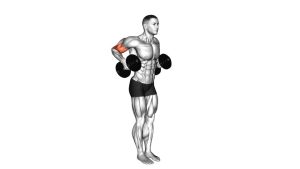
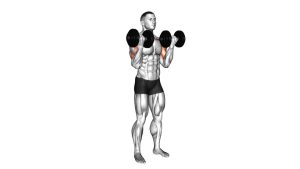
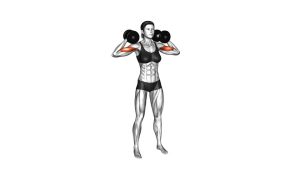
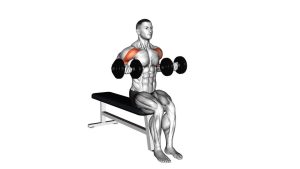
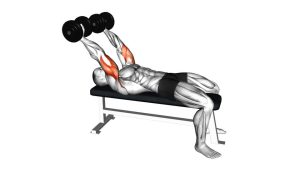
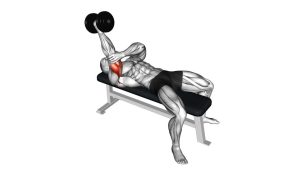
Unlike a standard curl where the elbows stay close to the torso, the Dumbbell High Curl keeps the arms elevated so the biceps work hard in a shortened position. That means lighter weights usually work best. Focus on smooth reps, a deliberate squeeze near the top, and stable shoulders throughout the set. If the elbows drop or the body sways, the movement becomes less effective.
Quick Overview
| Body Part | Biceps |
|---|---|
| Primary Muscle | Biceps brachii (especially the short head) |
| Secondary Muscle | Brachialis, brachioradialis, anterior deltoids and upper back stabilizers |
| Equipment | Pair of dumbbells |
| Difficulty | Beginner to Intermediate |
Sets & Reps (By Goal)
- Muscle growth: 3–4 sets × 8–12 reps with controlled form and a brief top squeeze
- Biceps pump / finisher: 2–3 sets × 12–15 reps using lighter dumbbells and short rest
- Technique practice: 2–3 sets × 8–10 reps focusing on elbow position and tempo
- Arm definition focus: 3 sets × 10–15 reps paired with a standard curl variation
Progression rule: Add reps first, then increase weight slightly. The exercise should stay strict—once you have to swing or drop the elbows, the load is too heavy.
Setup / Starting Position
- Stand tall: Place your feet about shoulder-width apart and brace your core.
- Hold a dumbbell in each hand: Let your grip stay neutral to slightly supinated.
- Raise your upper arms: Lift the elbows out to the sides until the upper arms are about shoulder height.
- Set the posture: Keep the chest up, shoulders down, and neck relaxed.
- Start controlled: Elbows stay high and slightly bent before each rep begins.
Tip: Start with lighter dumbbells than you would use for regular curls. This position is much harder to control.
Execution (Step-by-Step)
- Lock in the elbow position: Keep the upper arms lifted and stable throughout the rep.
- Curl the dumbbells inward: Bend the elbows to bring the dumbbells toward your head or temple area.
- Squeeze at the top: Pause briefly when the biceps are fully contracted.
- Lower slowly: Return the dumbbells to the starting position under control without letting the elbows collapse.
- Repeat smoothly: Maintain the same elbow height and body posture for every rep.
Pro Tips & Common Mistakes
- Use lighter dumbbells than usual: This exercise punishes sloppy form quickly.
- Keep elbows lifted: Dropping the elbows reduces tension on the target position.
- Avoid momentum: Don’t bounce the torso or swing the weights upward.
- Don’t shrug: Keep the shoulders down so the traps do not take over.
- Control the eccentric: A slow lowering phase improves tension and technique.
- Limit range only if needed: If shoulder mobility is limited, reduce the height slightly while staying pain-free.
- Use it as a specialty curl: It works best after heavier curls or as a focused isolation movement.
FAQ
What muscles does the Dumbbell High Curl work most?
The main target is the biceps brachii, with strong emphasis on the short head because of the elbows-out position. The brachialis and stabilizing shoulder muscles assist.
Is the Dumbbell High Curl better than a regular dumbbell curl?
It is not necessarily better—just different. A regular curl is easier to load heavier, while the Dumbbell High Curl is better for peak contraction, isolation, and variety.
Why do my shoulders get tired during this exercise?
Because the upper arms stay elevated, the shoulders help stabilize the position. If shoulder fatigue overwhelms the biceps, lower the weight and make sure you are not shrugging.
Should I do this early or late in an arm workout?
Most lifters do it best after heavier curls or near the end of the workout as a focused isolation exercise. It also works well as a finishing movement for a strong pump.
Can beginners use the Dumbbell High Curl?
Yes, as long as the weight is light and the form stays controlled. Beginners should prioritize elbow position, posture, and a clean tempo before trying to progress the load.
Recommended Equipment
- Adjustable Dumbbells — useful for fine-tuning load on curls and other arm exercises; Amazon’s adjustable dumbbell results highlight space-saving options with easy weight changes.
- Adjustable Workout Bench — helpful for building a fuller dumbbell training setup; Amazon’s workout bench listings emphasize adjustable backrest positions and foldable designs.
- Dumbbell Rack — keeps training space organized and makes dumbbell access easier between sets; Amazon’s rack listings feature multi-tier and compact storage options.
- Lifting Gloves — optional for improving grip comfort during higher-rep arm work.
- Resistance Bands Set — useful for warm-ups, arm finishers, and adding variety alongside dumbbell curls.
Choose equipment based on your training space, current strength level, and whether you want this movement as a stand-alone curl or part of a larger home-arm routine.