Cable One-Arm Biceps Curl: Proper Form, Sets, Muscles Worked & FAQ
Learn how to do the Cable One-Arm Biceps Curl with proper form. Discover muscles worked, setup tips, sets and reps by goal, common mistakes, FAQs, and recommended equipment.
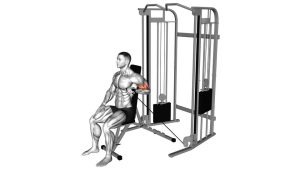
Cable One-Arm Biceps Curl
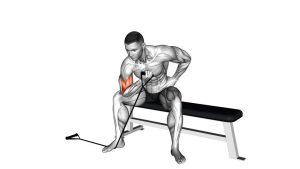
This curl variation is especially effective for lifters who want better isolation than they get from barbell work. Because the pulley provides resistance throughout the entire range of motion, the biceps stay loaded during both the lifting and lowering phases. The exercise works well in hypertrophy-focused arm sessions, as a finishing move after heavier compound pulling work, or as a technique-friendly option for improving control and symmetry.
Quick Overview
| Body Part | Biceps |
|---|---|
| Primary Muscle | Biceps brachii |
| Secondary Muscle | Brachialis, brachioradialis, forearm flexors |
| Equipment | Cable machine with single D-handle attachment |
| Difficulty | Beginner to Intermediate |
Sets & Reps (By Goal)
- Muscle growth: 3–4 sets × 8–15 reps per arm with controlled tempo and a hard squeeze at the top
- Strength-focused arm work: 3–5 sets × 6–8 reps per arm using strict form and slightly heavier resistance
- Technique and symmetry: 2–3 sets × 10–15 reps per arm with light-to-moderate load and extra control on the eccentric
- Finisher / pump work: 2–3 sets × 12–20 reps per arm with short rest periods and uninterrupted tension
Progression note: Increase reps first, then add small weight increments. Do not go heavier unless you can keep the elbow stable, the wrist neutral, and the lowering phase controlled.
Setup / Starting Position
- Attach the handle: Connect a single D-handle to the low pulley of a cable machine.
- Stand in position: Face the machine or stand slightly offset, depending on your setup, with feet about shoulder-width apart.
- Grip the handle: Hold the handle with one hand using a supinated or palm-up grip.
- Set the arm: Let the working arm extend down naturally with a slight bend at the elbow and the elbow close to your torso.
- Brace your posture: Lift your chest, keep your shoulders down, tighten your core, and avoid leaning back.
Tip: Step far enough from the pulley so the cable stays tensioned at the bottom, but not so far that it pulls your shoulder out of position.
Execution (Step-by-Step)
- Start from full control: Begin with the arm extended, palm up, and the cable under tension.
- Curl the handle upward: Flex at the elbow and bring the handle toward your shoulder without letting the elbow drift forward too much.
- Keep the upper arm quiet: Your shoulder and torso should stay still while the elbow acts as the main moving joint.
- Squeeze at the top: Pause briefly when the biceps are fully contracted.
- Lower slowly: Return the handle to the starting position under control, resisting the pull of the cable.
- Repeat for reps: Complete all reps on one arm, then switch sides or alternate sides based on your program.
Pro Tips & Common Mistakes
- Keep your elbow close: A stable elbow helps keep tension on the biceps instead of shifting the load into the shoulder.
- Use the full range: Let the arm lengthen at the bottom and fully contract at the top without losing posture.
- Control the eccentric: The lowering phase is one of the biggest muscle-building parts of the exercise.
- Do not lean back: Swinging the torso to start the rep reduces isolation and usually means the load is too heavy.
- Do not over-curl with the shoulder: Bringing the elbow too far forward turns the movement into a front-deltoid-assisted curl.
- Keep the wrist neutral: Excessive wrist bending can reduce biceps tension and create unnecessary forearm strain.
- Train both sides evenly: Start with the weaker arm if one side lags behind.
FAQ
What muscles does the Cable One-Arm Biceps Curl work?
The main target is the biceps brachii. It also involves the brachialis, brachioradialis, and smaller forearm muscles that help stabilize the handle and control the curl.
Is this better than a dumbbell curl?
It is not automatically better, but it offers a different advantage. The cable provides constant tension across the range of motion, while the unilateral setup helps improve control and identify side-to-side imbalances.
Should I do one arm at a time or alternate arms?
Both work well. Doing all reps on one side can improve focus and mind-muscle connection, while alternating arms can help manage fatigue and save time.
How heavy should I go on this exercise?
Use a weight that lets you keep the rep strict and smooth. If you need to lean, twist, or yank the handle upward, the resistance is too heavy for quality biceps isolation.
Where should I feel this exercise most?
You should mainly feel it in the front of the upper arm. A little forearm involvement is normal, but the biceps should do most of the work throughout the curl.
Recommended Equipment (Optional)
- Single D-Handle Cable Attachment — the main attachment used for comfortable one-arm cable curls
- Cable Machine Attachments Set — useful if you want multiple grip options for arm training
- Weightlifting Grips — can improve handle comfort and reduce grip fatigue during higher-volume sessions
- Elbow Sleeves — optional joint support for lifters who want extra warmth and comfort during arm work
- Adjustable Weight Bench — useful nearby for seated cable curl variations and broader upper-body training
Tip: Accessories should improve comfort and consistency, not replace good technique. The most important factor is still strict execution with a manageable load.