Dumbbell Close-Grip Press: Proper Form, Sets, Tips & FAQ
Learn the Dumbbell Close-Grip Press to build stronger triceps and inner chest with less shoulder strain. Step-by-step form, sets by goal, common mistakes, FAQs, and recommended equipment.
Dumbbell Close-Grip Press
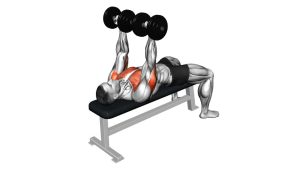
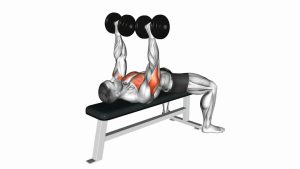
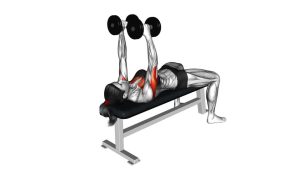
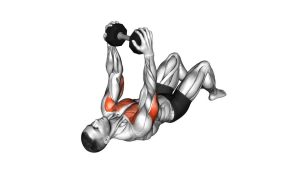
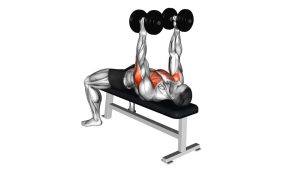
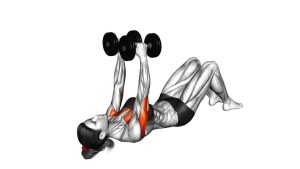
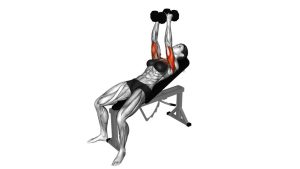
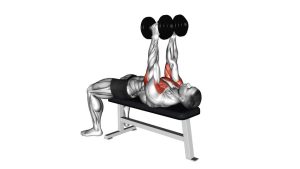
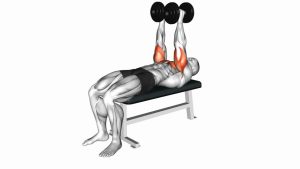
This exercise works best when the dumbbells travel in a controlled vertical path over the mid-to-lower chest. The close grip increases triceps involvement, especially through the middle and top of the press, while the neutral hand position can feel more natural on the shoulders and wrists. Use smooth reps, keep the elbows tucked at a comfortable angle, and avoid turning the movement into a loose chest press by letting the weights drift too far apart.
Quick Overview
| Body Part | Triceps |
|---|---|
| Primary Muscle | Triceps brachii |
| Secondary Muscle | Pectoralis major, anterior deltoids |
| Equipment | Dumbbells and a flat weight bench |
| Difficulty | Beginner to Intermediate |
Sets & Reps (By Goal)
- Muscle growth: 3–4 sets × 8–12 reps with 60–90 seconds rest
- Strength focus: 4–5 sets × 4–8 reps with 90–150 seconds rest
- Technique practice: 2–3 sets × 10–15 reps with light-to-moderate load
- Accessory work after benching: 2–4 sets × 8–12 reps with strict control
Progression rule: Add reps first while keeping the dumbbells close and your elbows tucked. Increase load only when your full range of motion and lockout stay clean.
Setup / Starting Position
- Set the bench: Use a flat bench placed on a stable surface with enough room to safely lift and lower the dumbbells.
- Grab the dumbbells: Hold a pair of dumbbells with a neutral grip so your palms face each other.
- Lie back with control: Bring the dumbbells to chest level as you position yourself on the bench with feet planted firmly on the floor.
- Set your upper body: Pull the shoulders gently back and down, keep the chest up, and brace your core.
- Start close: Position the dumbbells close together over the lower-to-mid chest with the elbows tucked near your sides.
Tip: A slight natural arch in the upper back is fine, but avoid excessive rib flare or bouncing the weights into position.
Execution (Step-by-Step)
- Begin at the top: Hold the dumbbells above your chest with arms nearly straight and the weights close together.
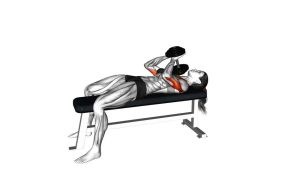
- Lower under control: Bend the elbows and bring the dumbbells down slowly toward the sides of the lower chest while keeping the elbows tucked.
- Pause briefly: Stop when your upper arms are just below parallel to the floor or when you reach a comfortable stretch without shoulder discomfort.
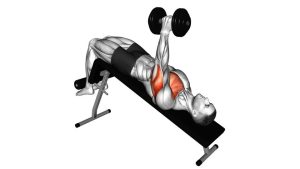
- Press upward: Drive the dumbbells straight up while maintaining the close path and neutral grip.
- Finish with triceps: Extend the elbows fully at the top without slamming into lockout, then repeat for the next rep.
Pro Tips & Common Mistakes
- Keep the dumbbells close: The closer path increases triceps involvement and improves the close-grip feel.
- Tuck the elbows naturally: Do not pin them unnaturally tight, but avoid excessive flaring.
- Use a neutral wrist: Let the wrists stay stacked over the forearms to reduce strain.
- Lower with control: Do not drop the weights quickly to the bottom position.
- Do not bounce: Press from muscular tension, not momentum.
- Avoid overloading too early: This movement works best when you can control both the eccentric and lockout.
- Stay stable on the bench: Keep the feet planted and glutes in contact with the bench.
FAQ
What muscles does the Dumbbell Close-Grip Press work most?
The main target is the triceps, especially during elbow extension and lockout. The chest and front delts also assist throughout the press.
Is the dumbbell version better than the barbell close-grip press?
For many lifters, the dumbbell version feels more comfortable on the shoulders and wrists because it allows a more natural hand path. It can also be easier to control range of motion and elbow position.
Should the dumbbells touch each other?
They can stay very close together or lightly touch, but the main goal is to keep them on a narrow pressing path without losing wrist alignment.
How heavy should I go?
Use a load that lets you keep the elbows tucked, wrists neutral, and reps smooth. If your shoulders shift forward or the dumbbells drift apart, the weight is probably too heavy.
Can beginners use this exercise?
Yes. Beginners can use it as a safer close-grip pressing option as long as they start light and focus on control, setup, and clean elbow tracking.
Recommended Equipment
- Adjustable Weight Bench — useful for flat pressing and for expanding your chest, shoulder, and arm training options
- Rubber Hex Dumbbells — durable, stable, and practical for pressing movements and progressive overload
- Dumbbell Rack — keeps your training area organized and makes heavier dumbbell handling safer
- Lifting Wrist Wraps — helpful for lifters who want extra wrist support during heavier pressing sets
- Exercise Bench Mat / Floor Protector — protects the floor and improves grip and stability around your bench station
Choose equipment that supports safe setup, stable pressing, and progressive overload. Good bench support and properly sized dumbbells matter more than flashy extras.