Dumbbell Tate Press: Proper Form, Triceps Focus, Sets, Tips & FAQ
Learn how to do the Dumbbell Tate Press with proper form to build stronger triceps and improve pressing strength. Includes setup, execution, sets by goal, mistakes, FAQs, and recommended equipment.
Dumbbell Tate Press
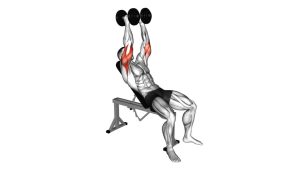
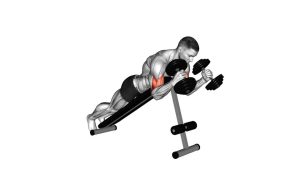
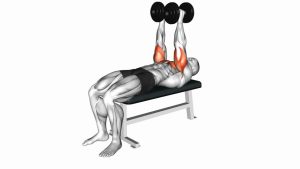
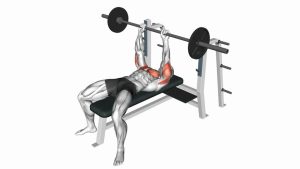
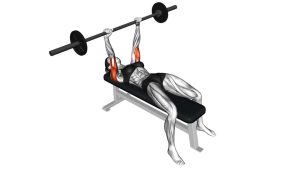
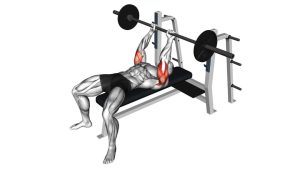
This exercise works best when you control both the bottom and top positions. The dumbbells start close to the chest with the elbows bent and pointed outward, then travel upward and inward until the arms are extended. You should feel strong triceps involvement throughout the rep, especially near lockout. Keep the motion controlled and avoid dropping the weights too low or letting the wrists collapse backward.
Quick Overview
| Body Part | Triceps |
|---|---|
| Primary Muscle | Triceps brachii |
| Secondary Muscle | Anterior deltoids and chest stabilizers |
| Equipment | Pair of dumbbells and a flat bench |
| Difficulty | Intermediate |
Sets & Reps (By Goal)
- Muscle growth: 3–4 sets × 8–12 reps with controlled lowering and full lockout
- Triceps strength: 4–5 sets × 5–8 reps using challenging but clean form
- Accessory for bench press lockout: 3–4 sets × 6–10 reps after pressing work
- Technique practice: 2–3 sets × 10–15 reps with light-to-moderate dumbbells
Progression rule: Add reps before adding load. Only increase weight when you can keep the elbows controlled, the wrists stacked, and the bottom position smooth.
Setup / Starting Position
- Lie flat on a bench: Keep your head, upper back, and glutes supported with both feet planted firmly on the floor.
- Press the dumbbells above your chest: Start with the weights held together or close together over the upper chest/shoulders.
- Set the elbows out: Bend the elbows and allow them to flare outward so the dumbbells lower toward the upper chest area.
- Keep wrists neutral: Do not let the hands fold back. Maintain a firm, balanced grip on each dumbbell.
- Brace lightly: Keep the ribcage down and avoid excessive arching or shrugging the shoulders.
Tip: Start lighter than you think you need. The elbow path and dumbbell angle make this exercise feel harder than a standard dumbbell press.
Execution (Step-by-Step)
- Lower into position: From the top, bend the elbows and bring the dumbbells down toward the upper chest while keeping the elbows flared out.
- Pause under control: Do not bounce off the chest. The dumbbells should hover or lightly approach the chest area with tension still on the triceps.
- Press up and inward: Extend the elbows to drive the dumbbells upward while allowing them to travel inward toward a stacked finish above the shoulders.
- Lock out smoothly: Squeeze the triceps at the top without slamming into full elbow lockout.
- Lower again with control: Reverse the motion slowly and return to the bottom position for the next rep.
Pro Tips & Common Mistakes
- Use moderate weight: Heavy dumbbells often turn this into a sloppy pressing movement instead of a triceps exercise.
- Keep the eccentric slow: Lowering too fast reduces control and increases elbow and shoulder stress.
- Do not overflare recklessly: The elbows should point outward, but they should still stay under control and not drift excessively.
- Keep wrists stacked: A bent wrist weakens pressing mechanics and may irritate the joint.
- Finish with triceps, not momentum: Press smoothly instead of jerking the dumbbells upward.
- Avoid bouncing the weights: Touching too low or too forcefully near the chest removes tension from the target muscles.
- Place it after main presses: Tate Presses work well after benching or dumbbell presses as a focused triceps accessory.
FAQ
What muscles does the Dumbbell Tate Press work most?
The main target is the triceps brachii. The shoulders and chest help stabilize the movement, but the triceps do the majority of the pressing work.
Is the Tate Press better for triceps than a regular dumbbell press?
For direct triceps emphasis, yes. A regular dumbbell press involves more chest and front deltoid contribution, while the Tate Press shifts more of the challenge toward elbow extension and triceps lockout strength.
Should the elbows stay flared during the entire rep?
They should remain outward enough to create the unique movement pattern, but not so loose that you lose control. Think “flared but organized,” not “wide and unstable.”
Can beginners do Dumbbell Tate Presses?
Beginners can learn it, but most people do better starting with lighter dumbbells and fewer reps until they understand the elbow path and wrist position. It is usually easier after you already have some experience with standard dumbbell pressing.
Where should I include the Tate Press in my workout?
It fits best after your main chest or pressing work as an accessory exercise for triceps size and lockout strength. You can also place it in an arm-focused workout alongside other triceps extensions and pushdowns.
Recommended Equipment
- Adjustable Dumbbells — practical for progressive overload and easy load changes at home
- Flat Weight Bench — provides the stable base needed for proper Tate Press positioning
- Wrist Wraps — helpful for lifters who need extra wrist support during pressing variations
- Rubber Hex Dumbbells — durable fixed dumbbells with a stable grip and easy handling
- Exercise Mat — useful under the bench area for grip, floor protection, and setup comfort
Tip: Choose equipment that helps you maintain stable wrists and a secure bench position. Better setup usually leads to better triceps isolation.