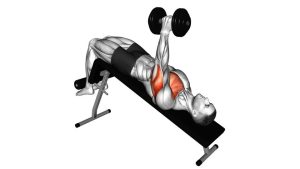
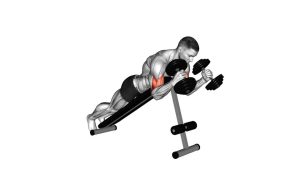
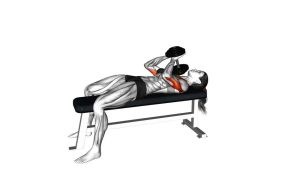
Dumbbell Close-Grip Press: Proper Form, Sets, Tips & FAQ
Learn how to perform the Dumbbell Close-Grip Press with proper form to target the triceps while supporting chest and shoulder strength. Includes setup, execution, sets by goal, common mistakes, FAQs, and recommended equipment.
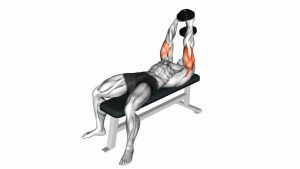
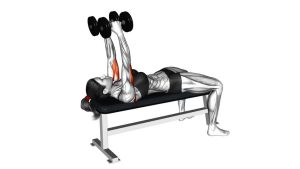
Dumbbell Close-Grip Press
This exercise is excellent for lifters who want to build stronger upper arms, improve lockout strength, and use a joint-friendly pressing pattern. The neutral grip usually feels more comfortable on the wrists and shoulders than a barbell close-grip press, especially when the dumbbells stay stacked over the forearms. Focus on smooth reps, a controlled bottom position, and steady elbow extension rather than bouncing or rushing.
Quick Overview
| Body Part | Triceps |
|---|---|
| Primary Muscle | Triceps brachii |
| Secondary Muscle | Chest (pectoralis major), anterior deltoids, forearm stabilizers |
| Equipment | Pair of dumbbells and a flat bench |
| Difficulty | Beginner to Intermediate |
Sets & Reps (By Goal)
- Muscle growth: 3–4 sets × 8–12 reps with 60–90 seconds rest
- Strength focus: 4–5 sets × 5–8 reps with 90–150 seconds rest
- Technique / control: 2–3 sets × 10–15 reps with light-to-moderate weight
- Accessory after heavy pressing: 2–4 sets × 8–12 reps with controlled tempo
Progression rule: Add reps first, then increase the dumbbell load once you can maintain a close arm path, steady wrists, and clean lockout across all working sets.
Setup / Starting Position
- Set the bench: Use a flat bench placed on a stable surface with enough room to bring the dumbbells into position safely.
- Pick up the dumbbells: Sit on the bench with one dumbbell in each hand and rest them on your thighs before lying back.
- Lie back under control: Bring the dumbbells to chest level as you lower yourself onto the bench.
- Use a neutral grip: Turn the palms to face each other so the dumbbells stay close together over the chest.
- Set your body: Plant the feet firmly, keep the upper back tight, and maintain a natural chest-up position without excessive arching.
- Align the elbows: Keep them tucked at a comfortable angle near the torso rather than flared wide.
Tip: Before the first rep, make sure the wrists are stacked over the elbows and the dumbbells are balanced evenly in both hands.
Execution (Step-by-Step)
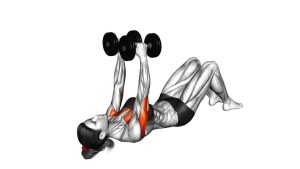
- Start at the top: Hold the dumbbells above the chest with arms extended and the bells close together.
- Lower with control: Bend the elbows and bring the dumbbells down toward the lower chest or sternum area.
- Keep the elbows tucked: Let them travel close to the torso so the triceps stay loaded.
- Pause briefly at the bottom: Stop once you reach a strong, stable stretch without letting the shoulders roll forward.
- Press upward: Drive the dumbbells back up by extending the elbows and keeping the dumbbells on a narrow path.
- Finish under control: Return to near full extension without slamming the joints into a hard lockout.
Pro Tips & Common Mistakes
- Keep the dumbbells close: A narrow path increases triceps involvement and improves pressing efficiency.
- Do not flare the elbows: Wide elbows turn this into more of a standard chest press.
- Use a neutral wrist position: Avoid bending the wrists backward under the load.
- Control the lowering phase: Dropping too quickly reduces tension and makes the bottom position less stable.
- Do not bounce off the chest: Pause briefly and press with muscular control.
- Stay tight through the upper back: Stable shoulders help the triceps produce force safely.
- Choose the right load: Heavy weights are useful only if you can keep both dumbbells balanced and aligned.
FAQ
What muscles does the Dumbbell Close-Grip Press work most?
The main target is the triceps brachii. The chest and front deltoids also assist, but the close grip and tucked elbows make the movement more triceps-dominant than a standard dumbbell press.
Is this better than a regular dumbbell bench press for triceps?
For direct triceps emphasis, yes. A regular dumbbell bench press usually places more emphasis on the chest, while the close-grip version keeps the arm path tighter and shifts more work toward elbow extension.
Should the dumbbells touch at the top?
They can come very close together, but they do not need to bang into each other. Keep the top controlled so you maintain tension and balance.
Can beginners use this exercise?
Yes. It is often more wrist- and shoulder-friendly than a barbell close-grip press. Start with light dumbbells and master the path of the elbows before increasing load.
What is the most common mistake?
The most common error is elbow flare. When the elbows drift too far out, the exercise becomes more chest-dominant and less effective for the triceps.
Recommended Equipment
- Adjustable Dumbbells — versatile option for progressive overload without needing a full rack of weights
- Flat Weight Bench — provides stable support and proper pressing position for dumbbell bench variations
- Weightlifting Gloves — can improve grip comfort and reduce hand fatigue during pressing work
- Wrist Wraps for Weightlifting — helpful for lifters who want extra wrist support during heavier dumbbell presses
- Rubber Gym Floor Mat — protects the floor and adds a safer training area around your bench setup
Tip: The most important tools for this exercise are a stable bench and dumbbells you can control through the full range of motion.