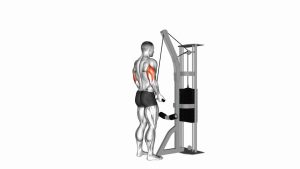
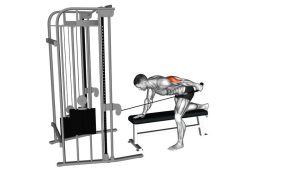
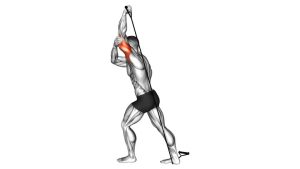
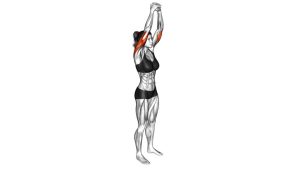
Cable Lying Triceps Extension (Low Pulley): Form, Sets, Tips & FAQ
Learn how to do the Cable Lying Triceps Extension (Low Pulley) with proper form. Discover setup tips, step-by-step execution, sets by goal, common mistakes, FAQs, and recommended equipment.
Cable Lying Triceps Extension (Low Pulley)
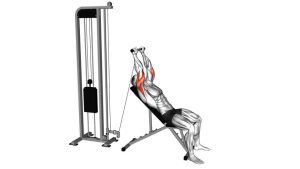
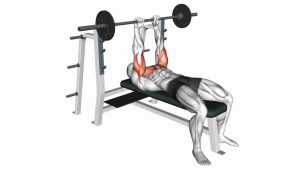
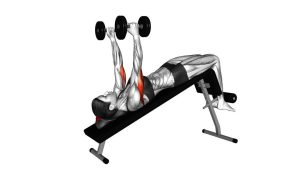
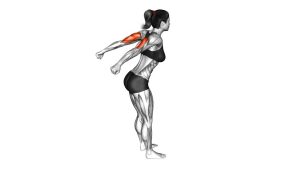
This exercise is best performed with a smooth tempo and strict elbow control. The goal is to bend at the elbows to bring the handle or bar toward the forehead or just behind it, then extend back to the top without letting the shoulders take over. When done well, the movement creates a deep triceps stretch at the bottom and strong tension through the entire range of motion.
Quick Overview
| Body Part | Triceps |
|---|---|
| Primary Muscle | Triceps brachii |
| Secondary Muscle | Anconeus, front delts and forearms as stabilizers |
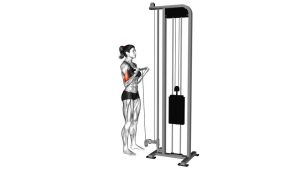
| Equipment | Low pulley cable machine, flat bench, straight bar or similar cable attachment |
| Difficulty | Intermediate |
Sets & Reps (By Goal)
- Muscle growth: 3–4 sets × 8–12 reps with controlled lowering and a strong lockout
- Strength-focused triceps work: 4–5 sets × 5–8 reps using strict form and longer rest periods
- Accessory work after pressing: 2–3 sets × 10–15 reps with moderate weight and full control
- Joint-friendly pump work: 2–4 sets × 12–20 reps using lighter weight and smooth tempo
Progression tip: Increase reps first, then add small amounts of weight while keeping the elbows steady and the bottom position controlled.
Setup / Starting Position
- Place a flat bench in line with a low pulley so your head is positioned closer to the cable stack end.
- Attach a straight bar, EZ-style attachment, or short bar to the low cable.
- Lie flat on the bench with your feet planted firmly on the floor for balance.
- Grip the attachment evenly and press it above your chest or forehead line with your arms nearly straight.
- Set your shoulders down and back and keep your upper arms mostly fixed throughout the exercise.
Tip: Start with the bar positioned so the cable already has tension at the top. That constant pull is one of the main advantages of this variation.
Execution (Step-by-Step)
- Begin at the top: Hold the attachment with your arms extended and your elbows pointing upward, not drifting too far outward.
- Lower under control: Bend your elbows slowly to bring the attachment down toward your forehead or just slightly behind it.
- Keep upper arms stable: Let the elbows hinge while avoiding unnecessary shoulder movement or swinging.
- Reach the stretch: Pause briefly in the bottom position when your triceps are fully lengthened but still comfortable.
- Extend powerfully: Straighten your arms by contracting the triceps until you return to the top position.
- Repeat smoothly: Maintain even tempo and cable tension for every rep without bouncing out of the bottom.
Pro Tips & Common Mistakes
- Keep the elbows tucked but natural: Too much flare reduces triceps isolation and can stress the joints.
- Lower with patience: The eccentric phase is where a lot of the training value happens, so do not let gravity or cable pull take over.
- Do not turn it into a pullover: Excessive shoulder movement shifts tension away from the triceps.
- Avoid smashing the bottom: Bring the bar close to the forehead or slightly behind it, but stay in control at all times.
- Lock out with intent: Finish each rep by squeezing the triceps without hyperextending the elbows.
- Use moderate loads first: This movement rewards clean mechanics more than sloppy heavy reps.
- Choose the right attachment: A straight bar feels firm and simple, while other attachments may feel easier on the wrists.
FAQ
What makes the low pulley version different from dumbbell skull crushers?
The low pulley creates more consistent resistance through the full range of motion. Unlike dumbbells, the cable keeps tension on the triceps even near the top.
Where should I feel this exercise most?
You should feel it mainly in the triceps, especially through the back of the upper arm. The bottom position often creates a strong stretch, while the top gives a hard contraction.
Is this exercise good for building the long head of the triceps?
Yes. Because the exercise places the arm in a position that allows a deep stretch and full extension, it can be very effective for overall triceps development, including the long head.
How heavy should I go on cable lying triceps extensions?
Use a load that lets you control the lowering phase and keep your elbows stable. If your shoulders start moving or your reps become jerky, the weight is too heavy.
Can beginners use this exercise?
Yes, but it is usually better once you already understand basic triceps extension mechanics. Beginners should start light and focus on tempo, positioning, and elbow control.
Recommended Equipment
- Flat Weight Bench — provides the stable support needed for lying cable triceps extensions
- Straight Bar Cable Attachment — a simple, reliable option for a strong two-hand grip
- Triceps Rope Cable Attachment — useful if you want a slightly freer wrist position and a different triceps feel
- Adjustable Wrist Wraps — helpful for lifters who want extra wrist support during extension work
- Home Cable Pulley System — a practical option for people building a home setup for cable-based arm training
Tip: Choose attachments that let you keep a neutral, comfortable wrist position while still controlling the full range of motion.