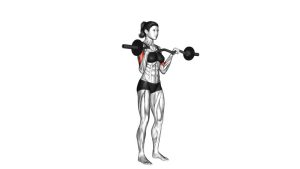
Cable Reverse Preacher Curl: Proper Form, Sets, Tips & FAQ
Learn the Cable Reverse Preacher Curl for bigger forearms and stronger elbow flexors. Includes correct setup, step-by-step form, sets by goal, common mistakes, FAQs, and recommended equipment.
Cable Reverse Preacher Curl
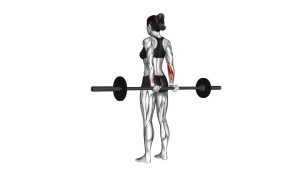
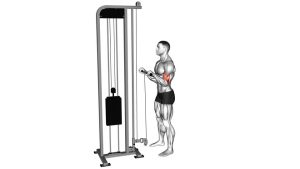
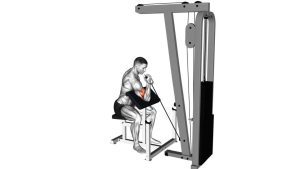
This variation works best when the upper arms stay glued to the preacher pad and the movement comes only from the elbows. The cable adds steady tension through the full range of motion, while the reverse grip makes it harder to rely on the biceps alone. You should feel the exercise mostly through the top of the forearm and deep elbow flexors rather than the front delts or wrists.
Quick Overview
| Body Part | Forearms |
|---|---|
| Primary Muscle | Brachioradialis |
| Secondary Muscle | Brachialis, biceps brachii, wrist extensors |
| Equipment | Cable machine, preacher bench or preacher pad, straight bar or similar cable attachment |
| Difficulty | Beginner to Intermediate |
Sets & Reps (By Goal)
- Muscle growth: 3–4 sets × 8–12 reps with controlled tempo and 60–90 sec rest
- Forearm strength: 4–5 sets × 5–8 reps with strict form and 90–120 sec rest
- Technique practice: 2–3 sets × 10–15 reps using lighter weight and perfect wrist alignment
- Finisher work: 2–3 sets × 12–15 reps with slow eccentrics and short rest
Progression rule: Add reps before adding load. If your elbows lift off the pad or your wrists start folding back, the weight is too heavy for clean reverse-preacher mechanics.
Setup / Starting Position
- Set the bench and cable: Position the preacher bench so your upper arms rest comfortably on the pad and the cable lines up with your hands at the bottom.
- Choose your attachment: A short straight bar usually works best, though some lifters may prefer a compact EZ-style or rotating handle depending on comfort.
- Use an overhand grip: Grab the bar with palms facing down, hands about shoulder-width apart.
- Brace the upper arms: Press the backs of your upper arms into the pad and keep the elbows fixed in place.
- Start near full extension: Let the arms lengthen under control without hyperextending the elbows. Keep the chest stable and shoulders quiet.
Tip: Slightly lighter loads usually produce better reps here because the reverse grip exposes wrist weakness and makes cheating easier to spot.
Execution (Step-by-Step)
- Set your posture: Keep your chest against the bench, neck neutral, and shoulders down. Lock the upper arms into the pad.
- Curl the bar upward: Bend at the elbows and bring the attachment up in a smooth arc while keeping the wrists mostly neutral.
- Keep the elbows planted: Do not let the elbows drift forward or the upper arms come off the pad.
- Squeeze at the top: Pause briefly when the forearms are near vertical and the brachioradialis is fully contracted.
- Lower under control: Resist the cable on the way down and return to near full elbow extension without dropping the weight.
- Repeat with the same path: Every rep should look nearly identical, with no bouncing, swinging, or wrist collapse.
Pro Tips & Common Mistakes
- Use a true overhand grip: A pronated grip is what makes this a reverse preacher curl and increases forearm demand.
- Keep wrists stacked: Avoid excessive wrist extension, especially near the top.
- Don’t rush the eccentric: The lowering phase is where a lot of forearm growth stimulus happens.
- Stay glued to the bench: Lifting the upper arms off the pad turns a strict isolation movement into a cheat curl.
- Avoid oversized range at the bottom: Near full extension is enough; don’t jam the elbows into lockout.
- Use moderate loads: This exercise rewards precision more than maximum weight.
- Match the grip to comfort: Straight bars are common, but some lifters may tolerate a slightly angled attachment better if wrists are sensitive.
FAQ
What muscles does the Cable Reverse Preacher Curl work most?
The main target is the brachioradialis, with strong assistance from the brachialis and some contribution from the biceps. The overhand grip shifts the emphasis away from a traditional biceps-dominant curl.
Why use a cable instead of a barbell or EZ bar?
The cable keeps more consistent tension through the movement and often feels smoother at the bottom. It also makes it easier to maintain tension without relying on momentum.
Should I go heavy on this exercise?
Usually not. Most lifters get better results with moderate weight and strict reps. Going too heavy often leads to wrist strain, elbow lift, and reduced forearm tension.
Is this better for forearms than standard reverse curls?
It can be, especially if you struggle to keep standard reverse curls strict. The preacher pad removes a lot of cheating and helps isolate the elbow flexors more cleanly.
What if reverse grip curls bother my wrists?
Reduce the load, shorten the range slightly, and test a more comfortable cable attachment. If discomfort continues, swap to a neutral-grip forearm movement and rebuild tolerance gradually.
Recommended Equipment (Optional)
- Preacher Curl Bench — ideal for locking the upper arms in place and keeping the movement strict
- Straight Bar Cable Attachment — the most direct attachment choice for reverse-grip cable preacher curls
- Wrist Wraps for Weightlifting — useful if you want extra wrist support during heavier reverse-grip sets
- Grip Strength Trainer — helps strengthen the hands and forearms to support better overhand curling performance
- Cable Machine Attachment Set — a flexible option if you want multiple handles and bars for arm and upper-body cable work
Tip: For this exercise, the best upgrade is usually a stable preacher setup plus a comfortable straight-bar attachment. Accessories like wraps and grip tools are optional, not mandatory.