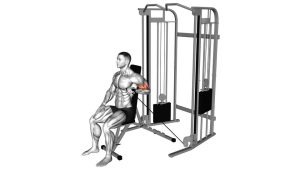
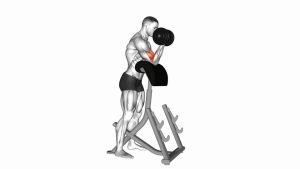
Cable One-Arm Preacher Curl: Proper Form, Muscles Worked, Sets, Tips & FAQ
Learn how to do the Cable One-Arm Preacher Curl with strict form to isolate the biceps. Includes muscles worked, setup, step-by-step execution, sets and reps by goal, common mistakes, FAQ, and recommended equipment.
Cable One-Arm Preacher Curl
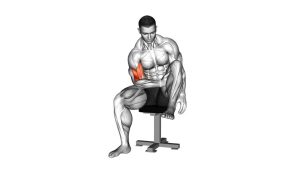
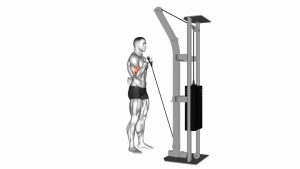
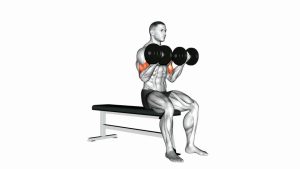
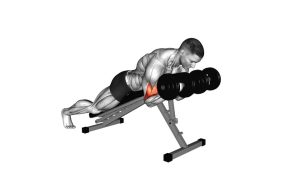
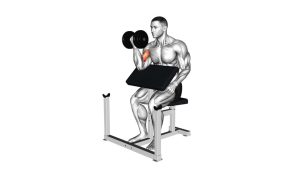
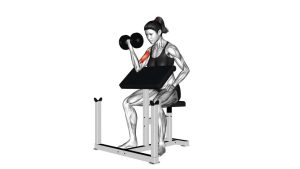
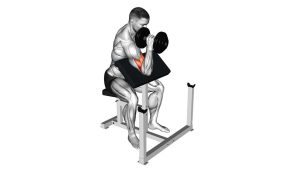
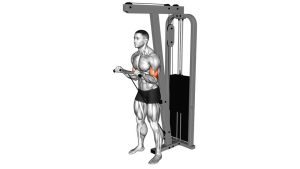
This movement is ideal for lifters who want a more controlled curl than a standing variation. Because the upper arm stays supported on the preacher bench, the biceps have to do most of the work. The cable also keeps tension on the muscle at the bottom, middle, and top of the rep, which makes this a strong choice for hypertrophy-focused arm training. Use a moderate load that lets you move without twisting the wrist, lifting the elbow, or rushing the eccentric.
Quick Overview
| Body Part | Biceps |
|---|---|
| Primary Muscle | Biceps brachii |
| Secondary Muscle | Brachialis and brachioradialis |
| Equipment | Cable machine, preacher bench, single D-handle attachment |
| Difficulty | Beginner to Intermediate |
Sets & Reps (By Goal)
- Muscle growth: 3–4 sets × 8–12 reps per arm, 60–90 sec rest
- Strict isolation / mind-muscle connection: 2–4 sets × 10–15 reps per arm, controlled tempo, 45–75 sec rest
- Strength-focused arm assistance: 3–4 sets × 6–8 reps per arm, slightly heavier load, 75–120 sec rest
- Finisher / pump work: 2–3 sets × 12–20 reps per arm, short rest, lighter weight
Progression rule: Add reps first while keeping the elbow fixed and the eccentric controlled. Increase weight only when you can complete all reps without shoulder movement, torso rocking, or wrist collapse.
Setup / Starting Position
- Position the bench: Place the preacher bench in front of the cable stack so the cable line matches your working arm comfortably.
- Attach the handle: Use a single D-handle on the low pulley.
- Set your arm: Rest your working upper arm firmly on the preacher pad with the armpit close to the top edge of the pad.
- Grip the handle: Use a supinated grip with the palm facing up. Keep the wrist mostly neutral.
- Start fully stretched: Extend the arm downward without hyperextending the elbow or letting the shoulder roll forward.
Tip: Adjust your body position so the cable pulls smoothly in line with your forearm. A bad angle can make the curl feel awkward and reduce tension quality.
Execution (Step-by-Step)
- Brace and lock in: Keep your chest stable, upper arm glued to the pad, and shoulders relaxed.
- Begin the curl: Flex the elbow and pull the handle upward in a smooth arc without lifting the elbow off the pad.
- Keep tension on the biceps: Avoid turning it into a shoulder movement or leaning your torso to help the rep.
- Squeeze at the top: When the forearm nears vertical or the handle approaches shoulder level, pause briefly and contract the biceps hard.
- Lower slowly: Control the handle back down until the arm is nearly straight and the biceps are fully stretched.
- Repeat evenly: Finish all reps on one side or alternate sides based on your programming.
Pro Tips & Common Mistakes
- Keep the upper arm planted: The preacher pad should remove momentum, not become something you shift around on.
- Control the negative: The lowering phase is where a lot of growth stimulus happens. Don’t let the cable pull your arm down.
- Don’t over-flex the wrist: Curl with the elbow, not by folding the hand inward.
- Use full but safe range: Stretch the biceps at the bottom without slamming into elbow lockout.
- Stay square: Avoid twisting the torso toward the working arm to finish the rep.
- Train both sides equally: This unilateral variation is excellent for spotting and correcting left-right imbalances.
- Choose a manageable load: A slightly lighter weight with perfect form is more effective here than cheating with a heavier stack.
FAQ
What muscles does the Cable One-Arm Preacher Curl work?
It mainly targets the biceps brachii, with help from the brachialis and brachioradialis. Because the preacher pad limits cheating, the biceps stay under focused tension.
Is the cable version better than a dumbbell preacher curl?
The cable version often provides more consistent tension through the full rep, especially near the bottom. Dumbbells are still effective, but cables can feel smoother and more controlled for isolation work.
Should I do one arm at a time or alternate arms?
Either works. Doing all reps on one arm first can improve focus and effort, while alternating arms may save time and help manage fatigue.
How heavy should I go on this exercise?
Use a weight that lets you keep the elbow fixed to the pad and complete every rep with control. If you need to swing, twist, or shrug, the load is too heavy.
Is this good for fixing arm imbalances?
Yes. Since each arm works independently, the Cable One-Arm Preacher Curl is a strong option for improving strength, control, and muscle development side to side.
Recommended Equipment
- Single D-Handle Cable Attachment — essential for comfortable one-arm cable curls and other unilateral cable work
- Preacher Curl Bench — provides the arm support needed for strict preacher curl mechanics
- Cable Machine / Functional Trainer — allows constant tension and versatile arm training options
- Lifting Straps — optional support if grip fatigue limits your cable arm work
- Adjustable Weight Bench — useful if you want a flexible setup for additional arm and upper-body exercises
Tip: For this exercise, the most important items are a single handle, a smooth cable station, and a stable preacher support that keeps the upper arm locked in place.